


Men’s windproof jackets are a practical choice when the main problem is cutting out a chilly breeze rather than dealing with prolonged heavy rain. They suit everyday wear, outdoor walks, travel and active use where comfort matters more than bulk.
Choosing well is mostly about matching the jacket to how you plan to use it. Some buyers want a light layer they can throw over a fleece, while others want something warmer, more durable or easier to pack away.
It also helps to separate windproofing from waterproofing and insulation. Those features can overlap, but they solve different problems and affect comfort in different ways.
Compare Men's Windproof Jackets


As an Amazon Associate we earn from qualifying purchases.
What should I look for in a men’s windproof jacket?
A good starting point is to decide how much weather protection you actually need. If your main issue is wind chill, a lighter jacket may feel more comfortable and breathable than a heavier all-weather style. If you also expect rain or colder conditions, you may need a jacket with extra protection or room for layers underneath.
The key trade-off is usually between protection and comfort. More blocking power often means less airflow, so the right choice depends on whether you value warmth, breathability, packability or everyday versatility most.
| Feature | What It Means | Why It Matters | What To Check |
|---|---|---|---|
| Wind protection | How well the jacket reduces cold air passing through | Helps you stay comfortable in exposed or breezy conditions | Look for wording that clearly indicates wind resistance or windproofing |
| Breathability | How easily body heat and moisture can escape | Important if you walk, cycle or move around a lot | Check whether the jacket is aimed at active use or general wear |
| Warmth | Whether the jacket adds insulation or is mainly a shell | Changes how suitable it is for colder days | See whether it is described as lined, fleece-backed or lightweight |
| Weather resistance | How much help it offers against drizzle or damp conditions | Useful if the jacket will be worn outdoors frequently | Check whether it is water resistant, shower resistant or waterproof |
| Packability | How easy it is to fold or carry when not in use | Helpful for travel and changeable weather | Look for packaway styling or a lighter construction if convenience matters |
| Fit and layering room | How the jacket sits over base layers or a fleece | Impacts comfort and freedom of movement | Check sizing notes, cut and whether you plan to wear layers underneath |
Which features matter most?
Wind blocking
This is the defining feature of the category. A jacket can feel comfortable in cool weather and still let a surprising amount of air through if it is not designed to block wind effectively. If you are exposed to open paths, coastlines or cold commuting conditions, this is usually the first feature to compare.
Breathability
Windproof jackets are often bought for active use, but active use creates heat and moisture. If breathability is too limited, the jacket can feel clammy during exertion. That is why a lighter or more open design may suit walkers and casual wear, while a more protective shell may suit less active use.
Warmth and layering
Some jackets are mainly outer layers, while others add some insulation or a fleece lining. The decision is not simply about which is warmer overall. It is about whether you want one jacket to do more work, or a slimmer shell that can be worn over layers when needed.
Fit, mobility and hem coverage
Good wind protection depends partly on coverage. A jacket that sits well at the cuffs, hem and neck can feel more effective than one that is technically similar but lets draughts in. Check whether the fit sounds relaxed enough for layering, especially if you intend to wear it over thicker clothing.
Weather resistance
Some buyers only need wind protection, while others want help against light rain too. If wet weather matters, it is worth checking exactly how the product is described rather than assuming every windproof jacket is fully waterproof. Specifications vary by model, so always check the individual product page before buying.
Types of windproof jacket you may see
Within this category, the main variation is usually in how the jacket balances weight, warmth and protection rather than in radically different designs.
- Lightweight shell styles suit people who want a simple outer layer with minimal bulk.
- Packaway styles suit travel, commuting and occasional use when convenience matters.
- Fleece-lined or warmer styles suit cooler days when you want more comfort without moving into a fully insulated jacket.
- More rugged styles may suit outdoor work or frequent wear where durability and coverage matter more than compactness.
The main limitation is that a jacket built to block wind very effectively may feel less airy during higher activity. That is why it helps to decide whether your use is mostly casual, active or mixed.
Who needs which kind of jacket?
| Buyer need | Usually suits | Why | Watch out for |
|---|---|---|---|
| Walking in breezy weather | Light or midweight windproof jackets | They reduce chill without feeling overly heavy | Too little breathability if walks are energetic |
| Everyday commuting | Versatile jackets with useful coverage | They work across mixed conditions and layers | Overly technical features you may not need |
| Travel and packable use | Lightweight packaway styles | Easy to carry and pull out when needed | Less warmth than bulkier styles |
| Cooler outdoor use | Warmer or lined windproof jackets | They add comfort when temperature drops | More bulk and potentially less airflow |
| Layering over fleece | Roomier cuts | Allow flexible use in variable weather | A fit that is too close may feel restrictive |
Common mistakes to avoid
- Assuming windproof means waterproof. A jacket may block air well without being suitable for sustained rain.
- Choosing warmth without checking breathability. A warmer-feeling jacket can be less comfortable if you move around a lot.
- Ignoring layering needs. If you plan to wear a fleece underneath, size and cut matter as much as the jacket style.
- Overlooking packability. A jacket that is awkward to carry may be less useful for travel or variable weather.
- Focusing only on appearance. Practical details such as cuff fit, hem shape and pocket layout often affect day-to-day usefulness more.
Suitability and use caveats
Think about the conditions you are actually trying to cover. A windproof jacket is mainly about reducing chill and improving comfort in breezy weather, not replacing a dedicated rain shell or heavy winter coat.
If you need a jacket for very wet, very cold or highly active conditions, check the product description carefully and match it to the use you have in mind. The safest approach is to compare the stated features rather than assuming one jacket will cover every situation.
Care, storage and lifespan considerations
General care matters because performance can be affected by dirt, wear and how the jacket is stored. Some jackets are easy to keep in regular rotation, while others need a bit more attention to retain their finish or water resistance.
Before buying, consider whether you want something low-maintenance for everyday wear or something more specialised that may need gentler cleaning and storage. If the jacket is likely to be packed often, folded repeatedly or worn in rougher conditions, durability and simple construction can be useful to prioritise.
How can I compare options quickly?
- Start with the main use: walking, commuting, travel or colder outdoor wear.
- Decide whether you need a light shell, a warmer style or something that layers easily.
- Check the balance between wind protection and breathability.
- Confirm whether you also need light rain resistance or fuller weather protection.
- Look at fit, pocket layout and packability for everyday convenience.
- Read the individual product page for the exact details before choosing.
Buying checklist
- Does it suit your main use and typical weather?
- Is wind protection the priority, or do you also need warmth?
- Will you wear layers underneath it?
- Is breathability important for your activity level?
- Do you need packability for travel or commuting?
- Have you checked whether it is water resistant or waterproof if rain matters?
- Does the cut sound comfortable for the way you plan to wear it?
Frequently asked questions
Is a windproof jacket the same as a waterproof jacket?
No. Windproof jackets are designed mainly to reduce airflow and cut wind chill, while waterproof jackets are made to resist rain. Some products combine more than one feature, but you should always check the description rather than assuming they are the same thing.
Are windproof jackets good for walking?
They can be very suitable for walking, especially in exposed or breezy conditions. If you walk at a faster pace, breathability becomes more important so you do not overheat.
Do I need a lined jacket or a lightweight shell?
That depends on how cold you run and how you plan to use it. A shell is usually more versatile for layering, while a lined jacket can feel more comfortable on its own in cooler weather.
What should I check if I want to layer underneath?
Look at the fit, cut and any sizing notes that suggest whether the jacket is close-fitting or roomy. A little extra space can make a big difference if you want to wear a fleece or thicker mid-layer.
Are packaway jackets less useful than heavier ones?
Not necessarily. Packaway styles are often chosen because they are convenient to carry and useful when conditions change. The trade-off is usually less warmth or a lighter feel than a more substantial jacket.
How important is breathability in a windproof jacket?
It matters more if you are active, walk uphill or wear the jacket for long periods. If you mainly wear it casually, wind protection and comfort may matter more than high breathability.
Can I use a windproof jacket in light rain?
Sometimes, but only if the product is described as water resistant or suitable for light showers. A windproof jacket on its own should not be treated as a full rain solution.
Hood, fastening and pocket details
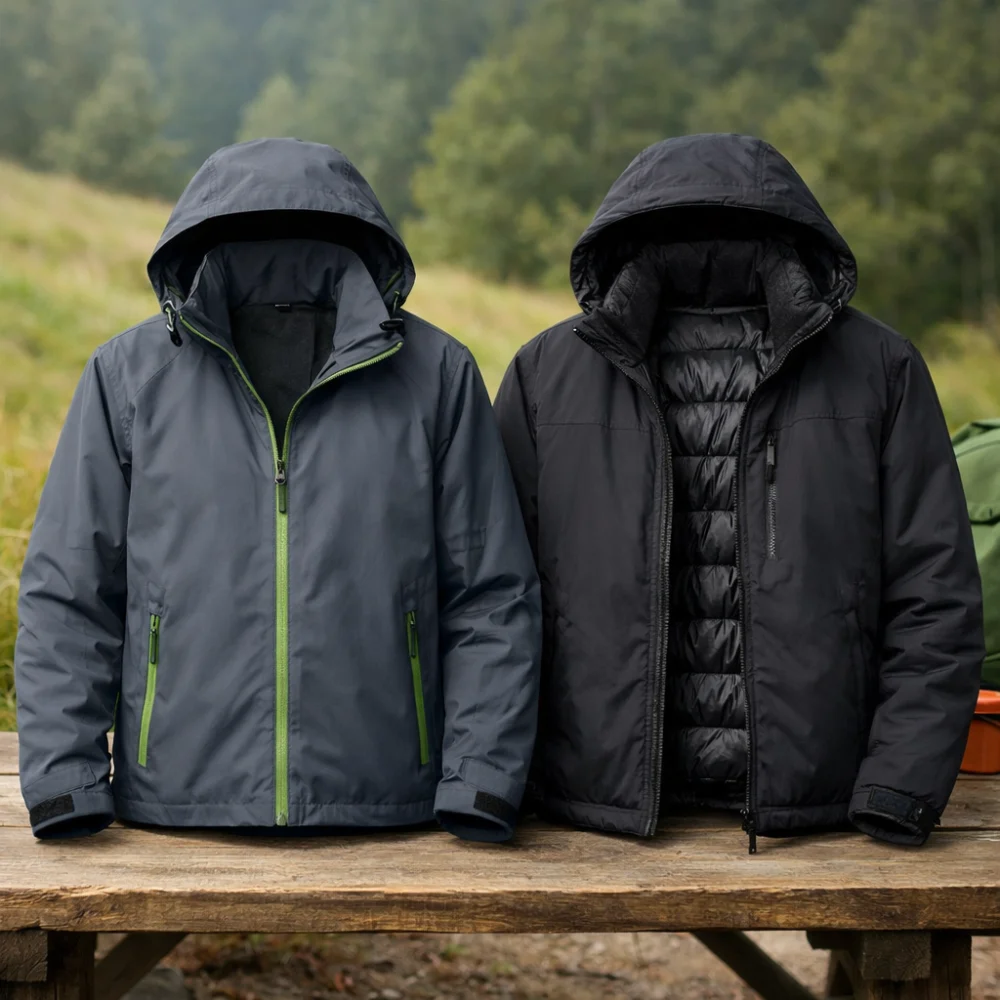
Small design details can affect comfort as much as the overall cut. If you prefer head coverage, check whether a hood is included and whether the product information explains how it fits or adjusts; a hood may be useful in a breeze but can add bulk when not needed.
Look at the fastening and pocket descriptions in light of how you will wear the jacket. A full-length front zip can make the jacket easier to put on and ventilate, while pocket position and closure may matter if you carry small essentials or want to reach them while wearing a backpack. Treat these as preference checks rather than proof of a particular level of weather protection.
More Men's Windproof Jackets
See all 104 Men's Windproof Jackets →


As an Amazon Associate we earn from qualifying purchases.