


A women’s parka is a practical outer layer for colder, wetter or windier days when you want more coverage than a short jacket can give. Buyers often look at parkas for everyday commuting, walking, travel and general outdoor use, but the right choice depends on how much warmth, weather protection and length you want.
This guide helps you compare the main features without assuming that every parka is built for the same conditions. It is especially useful if you are deciding between a warmer lined coat, a lighter shower-proof layer or a more winter-focused option.
Compare Women's Parkas


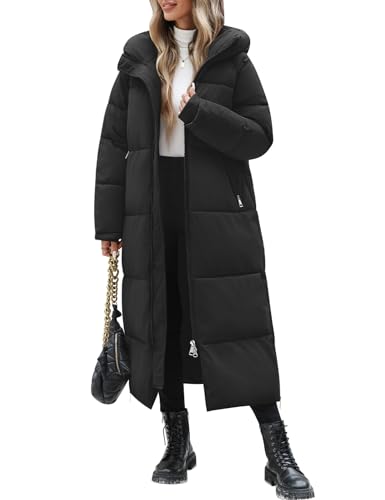


As an Amazon Associate we earn from qualifying purchases.
What should you look for in a women’s parka?
The best starting point is to match the parka to the weather and the way you will wear it. If you want something for cold, damp days, focus first on warmth, coverage and protection from wind and rain. If you mainly want an easy everyday coat, comfort, fit and practicality may matter more than heavier insulation.
A good parka often balances weather protection with wearability, but there is usually a trade-off: more warmth can mean more bulk, and longer coverage can mean less ease of movement. Specifications vary by model, so always check the individual product page before buying.
| Feature | What it means | Why it matters | What to check |
|---|---|---|---|
| Warmth | How much insulation or lining the coat provides | Helps you match the coat to the temperature and your activity level | Lining type, insulation level and whether it is designed for milder or colder weather |
| Weather protection | How well the parka copes with rain, drizzle and wind | Important if you will wear it in changeable UK weather | Water resistance, waterproofing claims, hood design and sealed or covered fastenings |
| Length | How far the coat extends over the body | Longer cuts can give more coverage and warmth | Where the hem sits on the body and whether that suits walking, commuting or layering |
| Fit | The shape and roominess of the coat | Affects comfort, layering and everyday movement | Size guide, sleeve length, room for a jumper and whether the cut is fitted or relaxed |
| Hood and trim | Whether the hood is fixed or detachable, and whether it has trim or adjusters | Can improve comfort in wind and wet weather | Hood adjustability, brim shape and whether any trim is practical for your use |
| Fastenings and pockets | Zips, poppers, storm flaps and pocket layout | These affect convenience, warmth retention and everyday use | Whether the front closure feels secure, easy to use and suitable for gloves or frequent wear |
Key buying criteria to compare
Warmth and layering
Parkas vary from lightly lined coats to much warmer winter styles. Think about whether you will wear yours over knitwear, work clothing or a thinner mid-layer, because that affects how much room you need. A coat that is too snug can reduce comfort and limit layering, while one that is too roomy may feel less insulating.
Weather resistance
Some parkas are designed mainly for wind and showers, while others offer stronger protection for wet weather. If you are likely to wear the coat in persistent rain, it is worth checking exactly what the product description says rather than assuming all parkas perform the same way. Look at the hood, cuffs and front closure as well as the main outer fabric.
Length and coverage
Longer parkas can be helpful if you want extra warmth around the hips and upper legs, or if you spend time waiting outdoors. Shorter parkas are usually easier to move in and can feel less bulky for driving or commuting. The right choice depends on whether coverage or mobility matters more to you.
Fit and everyday comfort
Fit is one of the most overlooked details in outerwear. A parka should allow comfortable movement through the shoulders and arms, especially if you expect to wear layers underneath. Check the product page for size guidance, and pay attention to whether the style is described as fitted, regular or relaxed.
Hood design
A hood can be a useful feature, but not every hood works the same way. Some are adjustable for better coverage in wind, while others are more decorative or less structured. If you know you will use the hood often, check whether it stays in place comfortably and whether it is removable or fixed.
Common parka types and variants
Within the parka category, the main differences are usually about warmth, weather protection and overall styling rather than dramatic technical variation. Some parkas lean towards everyday fashion and light weather protection, while others are built to feel more substantial and winter-ready.
If you are comparing styles, it can help to think in broad groups:
- Lightly lined parkas for milder days or transitional weather, where you want coverage without too much bulk.
- Warmer winter parkas for colder conditions, where insulation and coverage matter more.
- Weather-focused parkas for wet or windy days, where the outer fabric, hood and closure details are especially important.
The main limitation is that a parka built for more protection often feels heavier or less compact, so it may be less convenient if you want a lighter coat for frequent indoor-outdoor use.
Which features suit different buyers?
| Buyer need | Useful features | Why | Possible compromise |
|---|---|---|---|
| Everyday commuting | Comfortable fit, reliable hood, easy fastening | Useful for quick changes in weather and regular wear | Very heavy insulation may feel unnecessary indoors |
| Cold-weather walks | More coverage, warmer lining, wind protection | Helps when you are outdoors for longer periods | Longer styles can feel less agile |
| Wet-weather use | Weather-resistant outer, secure hood, covered closure | Better suited to showers and windy conditions | Water-resistant and fully waterproof are not the same thing |
| Layering for winter | Roomier cut, practical sleeves, adjustable features | Makes it easier to wear knitwear underneath | A very relaxed fit may reduce shape or warmth |
Common mistakes to avoid
- Assuming every parka is very warm. Some are mainly about style or light weather protection, so check the lining and intended use.
- Ignoring the length. A longer coat may be better for warmth but less convenient for driving, cycling or active use.
- Choosing the wrong fit for layering. If you plan to wear thick jumpers underneath, a close fit may feel restrictive.
- Relying on the word “waterproof” without checking details. The level of weather protection can vary, so read the product description carefully.
Suitability and care considerations
Before buying, think about how often you will wear the coat and where it will be used. A parka for daily use benefits from easy fastenings, practical pockets and a comfortable hood, while a coat for occasional cold-weather outings may justify a warmer or more substantial design.
For care, check whether the outer fabric or trim needs special cleaning and whether the coat is easy to store without losing shape. Some parkas include insulating fills, faux fur trims or other details that may affect washing and drying expectations, so it is sensible to review the care label and product information before you buy.
How to compare options efficiently
- Decide whether you need a mainly warm coat, a weather-resistant coat or a balance of both.
- Check the length and fit to make sure it suits how you move and what you wear underneath.
- Compare hood design, fastening style and pocket layout for day-to-day practicality.
- Look closely at the product description for lining, insulation and weather protection details.
- Choose the option that fits your usual conditions, not the one with the most features on paper.
Summary buyer checklist
- Do I need a parka mainly for warmth, weather protection or everyday style?
- Will I wear it over thick layers?
- Is the length comfortable for walking, commuting or driving?
- Does the hood look practical for the weather I expect?
- Are the fastening and pocket details useful for regular use?
- Have I checked the product page for the specific lining, outer material and care guidance?
Frequently asked questions
What makes a parka different from a regular coat?
A parka is usually a longer outer layer with an emphasis on warmth, coverage and practical cold-weather wear. Many styles include a hood and a more casual shape than tailored coats. The exact level of protection varies, so it is worth checking whether a particular parka is designed more for style, warmth or wet weather.
Are women’s parkas suitable for winter?
Some are, but not all of them. A winter-suitable parka usually has more substantial lining or insulation and enough room for layering. Check the product description carefully if you want something for colder conditions rather than just a light outer layer.
Can I wear a parka in the rain?
Many parkas can handle showers or light wet weather, but the level of protection differs from one model to another. If rain performance matters, look for clear wording about water resistance or waterproofing rather than assuming the style alone gives that level of protection.
Should I size up in a parka?
That depends on the cut and on how you plan to wear it. If you expect to layer thick jumpers underneath, a little extra room may help. If you want a neater everyday fit, follow the size guide and check the garment measurements where available.
Are parkas comfortable for everyday use?
They can be, especially when the fit is right and the coat is not overly bulky. Comfort often comes down to sleeve movement, weight, hood comfort and whether the coat feels practical for your routine. A well-chosen parka should work as an everyday layer, not just a cold-weather backup.
What details are most worth checking before buying?
Start with lining, length, hood design and the stated weather protection. Then check fit notes, pocket layout and care instructions. These details usually tell you more about real-world use than the style name alone.
More Women's Parkas
See all 207 Women's Parkas →


As an Amazon Associate we earn from qualifying purchases.