


Children’s windproof jackets are a useful choice when the main problem is chilly gusts rather than heavy rain or deep cold. They can help keep young wearers comfortable for everyday outdoor use, especially for school journeys, park trips and active play.
The challenge is deciding how much weather protection, warmth and breathability you actually need. A jacket that is ideal for one child may feel too warm, too light or too fiddly for another.
This guide explains what to look for, how to compare options and where the main trade-offs usually are.
Compare Children's Windproof Jackets


As an Amazon Associate we earn from qualifying purchases.
What should you look for in a children’s windproof jacket?
The best starting point is the child’s usual activity level and the weather they will face most often. A good windproof jacket should block draughts without making them overheat, and it should be easy enough to wear over school clothes or midlayers if needed. The most important trade-off is between protection and breathability: more coverage can feel warmer, but it may be less comfortable during active play.
| Feature | What it means | Why it matters | What to check |
|---|---|---|---|
| Wind resistance | How well the jacket limits cold air getting through | Helps keep children comfortable on breezy days | Look for windproof or wind-resistant wording on the product page |
| Breathability | How easily warmth and moisture can escape | Reduces the chance of feeling clammy during movement | Check whether the jacket is described as lightweight, breathable or suitable for active wear |
| Fit and layering room | How much space there is under the jacket | Affects comfort over school uniform or a fleece | Check the size guide, cut and whether the jacket is intended as an outer layer |
| Hood and cuffs | Features that help seal out draughts | Improves comfort in windy conditions | See whether the hood is fixed or detachable and whether cuffs sit snugly |
| Fastening and ease of use | Zips, poppers or other closures | Matters for quick dressing and independence | Check whether the child can manage the fastening easily |
| Weight and packability | How bulky the jacket feels when worn or carried | Useful for school bags, travel and changing weather | Look for lightweight descriptions if portability matters |
Key decision criteria
Weather protection
Windproof jackets are designed mainly to reduce wind chill. Some also offer light shower resistance, but that is not the same as full waterproof protection. If wet weather is a regular concern, compare the category carefully with waterproof jackets rather than assuming every windproof jacket will cope in the same way.
Warmth and layering
These jackets often work best as a shell over a fleece, sweatshirt or school uniform. That makes them versatile, but it also means the right size and shape matter. A jacket that is too tight can limit movement, while one that is too loose may let in draughts.
Breathability for active children
Children who run, climb and cycle need a jacket that does not trap too much heat. Lighter designs can be more comfortable for active use, but they may provide less warmth when the temperature drops. Specifications vary by model, so always check the individual product page before buying.
Practical details
Small design details can make a big difference in daily use. Deep pockets, a simple zip, an easy-to-adjust hood and cuffs that stay in place all affect how practical the jacket feels. For younger children, ease of dressing can matter as much as weather protection.
Types and common variants
Within children’s windproof jackets, the main differences are usually about weight, coverage and added weather resistance.
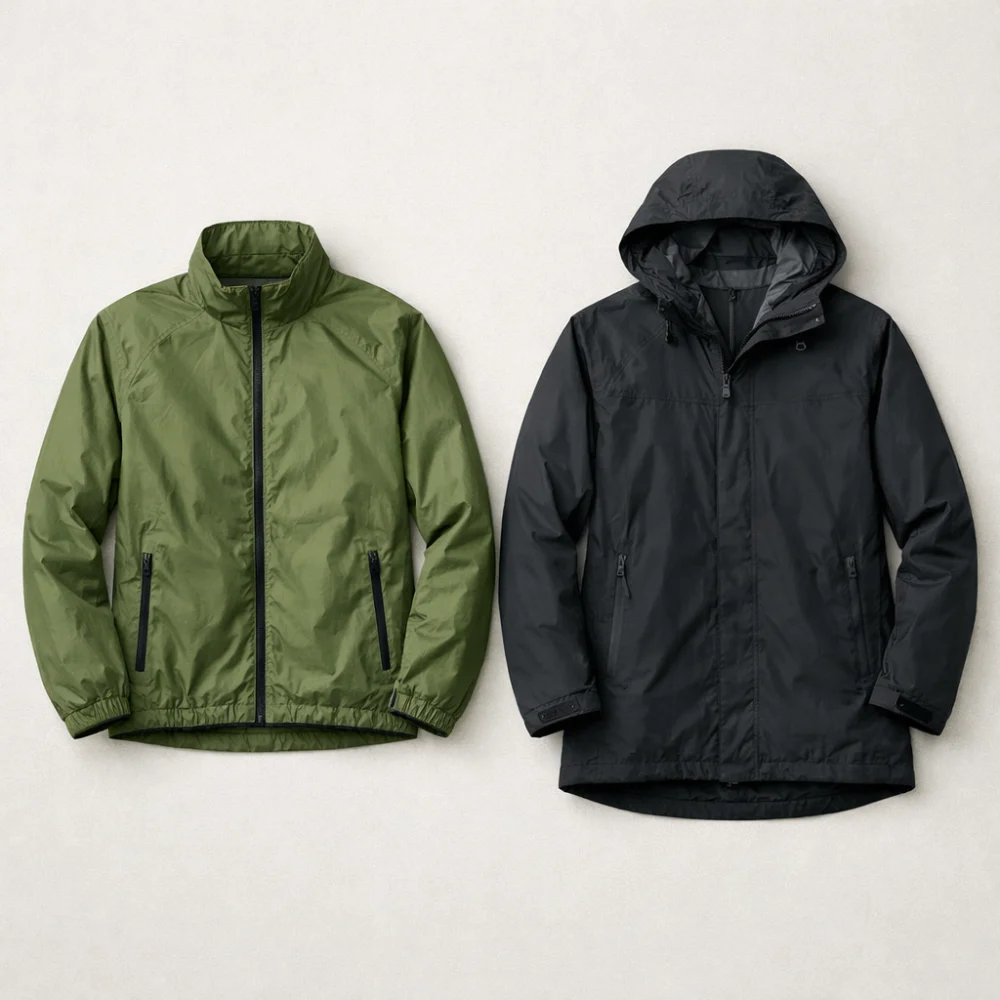
- Lightweight windbreakers: suit mild, breezy weather and active days, but usually offer less warmth.
- Hooded windproof jackets: add extra coverage for the head and neck area, but a hood can feel bulky if the child prefers simpler clothing.
- Longer-cut jackets: may give a bit more coverage for school or commuting, but can feel less flexible for running and climbing.
- Water-resistant styles: can be useful for drizzle and mixed conditions, but should not be treated as a substitute for proper waterproof outerwear.
Choosing by child and use case
| Need | Helpful features | Why it helps |
|---|---|---|
| School runs and everyday wear | Easy fastening, comfortable fit, modest weight | Makes the jacket practical for frequent use |
| Active play and sports | Breathable fabric, light construction, freedom of movement | Helps prevent overheating and restriction |
| Layering over uniform or fleeces | Roomier cut, adjustable cuffs, sensible sizing | Improves comfort over other clothing |
| Changeable spring or autumn weather | Wind resistance, light shower resistance, hood | Gives useful protection without becoming too heavy |
Common mistakes to avoid
- Choosing only on appearance: a jacket can look similar to another one while feeling very different in weight, fit and breathability.
- Assuming windproof means waterproof: wind protection and rain protection are related but not identical.
- Ignoring layering needs: a jacket that fits over a thin top may be uncomfortable over a fleece or school jumper.
- Overlooking ease of use: younger children often need simple zips, cuffs and hood adjustments more than extra features.
- Buying too much warmth for active use: if the jacket is mainly for running around, a heavy style may feel uncomfortable.
Safety and suitability checks
Check that the jacket is appropriate for the child’s age, size and level of independence. Make sure any hood, fastening or trim suits the activities it will be used for, and consider visibility if the jacket will be worn near traffic or in low light. If the child needs a jacket for heavier rain, colder conditions or all-day outdoor use, it may be better to compare with another outerwear type rather than stretching a windproof jacket beyond its purpose.
Care, storage and lifespan considerations
General wear and washing can affect how well a jacket keeps its shape, fit and weather resistance over time. Check the care guidance on the product page or label, especially if the jacket has a special finish or lightweight fabric. It is also worth thinking about how easily the jacket can be packed into a bag, dried after use and handed down as the child grows.
How to compare options efficiently
- Start with the main use: school, play, travel or light outdoor activities.
- Decide how much wind protection you need versus how breathable the jacket should be.
- Check whether the fit allows comfortable layering.
- Look at practical details such as hood design, cuffs, pockets and fastening.
- Compare the individual product page information carefully before deciding.
Summary buyer decision checklist
- Does the jacket suit the child’s usual weather conditions?
- Will it work comfortably over the clothes they normally wear?
- Is the fit suitable for movement as well as warmth?
- Does the design make sense for the child’s age and independence?
- Is it light enough, warm enough and breathable enough for the intended use?
- Have you checked whether it is windproof only or also offers light shower resistance?
Frequently asked questions
Are windproof jackets warm enough for children?
They can be warm enough for mild or breezy weather, especially when layered over other clothing. For colder days, many children will need an extra midlayer underneath. The right choice depends on how active the child will be and how low the temperature usually gets.
Is a windproof jacket the same as a waterproof jacket?
No. A windproof jacket is mainly designed to reduce wind chill, while a waterproof jacket is intended to keep out rain more effectively. Some windproof jackets may handle light drizzle, but they should not automatically be treated as waterproof.
Should I size up for layering?
Sometimes, but not always. A little extra room can help if the jacket will be worn over a fleece or school jumper, yet too much space can let in cold air and reduce comfort. Checking the size guide and considering how the jacket will actually be worn is usually the best approach.
Are lightweight windproof jackets suitable for everyday use?
Yes, if the child mostly needs protection from wind during school runs, walks or active play. Lightweight styles are often easy to wear and carry, but they may not provide as much warmth as heavier outer layers. Think about whether convenience or extra insulation matters more.
What features make a jacket easier for children to use?
Simple zips, cuffs that are easy to adjust, and a hood that stays in place can make a big difference. A comfortable fit also helps children put the jacket on quickly and wear it without fuss. For younger children, ease of dressing is often just as important as the weather protection level.
How should I think about hooded versus hoodless styles?
A hood can add useful protection in windy conditions, especially for school runs and variable weather. Some children prefer hoodless designs because they feel simpler or less bulky. The better option depends on whether the child is likely to wear the hood regularly or find it in the way.
Do children’s windproof jackets need special care?
Care needs vary by fabric and finish, so it is sensible to check the product information before buying. Lightweight jackets often benefit from gentle washing and proper drying so they keep their shape. Following the care guidance can help the jacket stay useful for longer.
Checking a child’s fit
Age labels are only a starting point, as sizing and cut can differ between jackets. Use the individual size guide where available, and consider the clothes the child will wear underneath rather than choosing by age alone.
Check that the shoulders and sleeves allow comfortable movement with the intended layers, and that the hem gives suitable coverage without getting in the way. Buying much larger for growth can leave a jacket loose and less comfortable in windy conditions, so balance growing room against a secure, usable fit.
More Children's Windproof Jackets
See all 72 Children's Windproof Jackets →


As an Amazon Associate we earn from qualifying purchases.