


Children’s 3-in-1 jackets are designed for changeable weather and mixed use. They usually combine an outer jacket with a removable inner layer, so one garment can cover milder wet days, cooler dry days and colder conditions when both parts are worn together.
That flexibility can make them a practical choice for growing children, busy family routines and holidays where the weather is uncertain. The main buying decision is not simply whether a jacket is warm or waterproof, but how well the layers, fit and features suit the way it will actually be worn.
This guide explains the trade-offs in plain terms, so you can compare options without getting distracted by features that may not matter for your needs.
Compare Children's 3-in-1 Jackets


As an Amazon Associate we earn from qualifying purchases.
What should you look for in a children’s 3-in-1 jacket?
The best starting point is to think about how often the jacket will be worn on its own, how often it will need both layers, and whether the child needs more rain protection, more warmth or a balance of both. A 3-in-1 jacket can be a sensible all-round option, but it only works well if the outer and inner layers are easy to use and comfortable together.
Specifications vary by model, so always check the individual product page before buying.
| Feature | What it means | Why it matters | What to check |
|---|---|---|---|
| Outer shell | The weather-facing layer | Helps with rain and wind protection | How much protection it offers and whether it is suitable for the weather your child usually faces |
| Inner layer | The removable lining or fleece | Adds warmth and makes the jacket more adaptable | Whether it feels comfortable on its own and when zipped into the shell |
| Fit | How the jacket sits on the child | Affects comfort, movement and layering | Room for a jumper, sleeve length and whether it allows active play |
| Fastenings and zips | How the parts join together | Influences ease of use for adults and older children | Whether the liner attaches simply and stays in place |
| Hood and cuffs | Adjustable weather details | Can improve coverage and help keep warmth in | Whether the hood is useful for your child and whether the cuffs feel comfortable |
Key decision criteria explained
Weather protection
The outer jacket is usually the part that does the hard work in wet or windy conditions. If the jacket will be used mainly for rainy school runs or walks, the shell matters more than the liner. If the child is often active or the weather changes through the day, a jacket that can be worn in different combinations may be more useful than a single heavy coat.
Warmth and layering
The inner layer is what gives a 3-in-1 jacket its flexibility. Some children only need the inner layer on its own for cool, dry days, while others will use the full jacket most of the time. Think about whether you want a jacket that adapts to the seasons, or whether a simpler insulated coat would suit everyday winter wear better.
Ease of use
For younger children, a jacket that is quick to fasten, zip and reassemble is usually more practical. If the inner and outer parts are awkward to join, the jacket may be used less often in its layered form. A simple design can be more appealing than a more complex one if it gets worn regularly.
Fit and room to grow
Children’s outerwear is often bought with some growth in mind, but too much extra room can reduce comfort and make sleeves or hems awkward. Look for a balance between enough space for a layer underneath and a fit that does not feel bulky. If the child will mostly wear the jacket for active play, movement is as important as size.
Comfort and everyday wear
Three-in-one designs work best when they feel comfortable in each configuration. A jacket that seems versatile on paper may still be less appealing if the lining feels too warm, the shell feels stiff or the overall weight is more than the child likes to wear.
Common types and how they differ
Within this category, the most common variations are based on what the inner layer is like and how weather-focused the outer layer is.
- Waterproof shell with fleece liner: Often suits mixed British weather and everyday use, especially when warmth and rain protection both matter.
- Weather-focused shell with lightweight liner: Can suit active children or milder conditions where flexibility matters more than heavy insulation.
- Heavier 3-in-1 jacket: May suit colder outdoor routines, but can feel less versatile if most wear is in milder weather.
These are general buying patterns rather than fixed product rules. The useful question is not which type sounds strongest, but which combination of layers is most likely to be worn in your child’s routine.
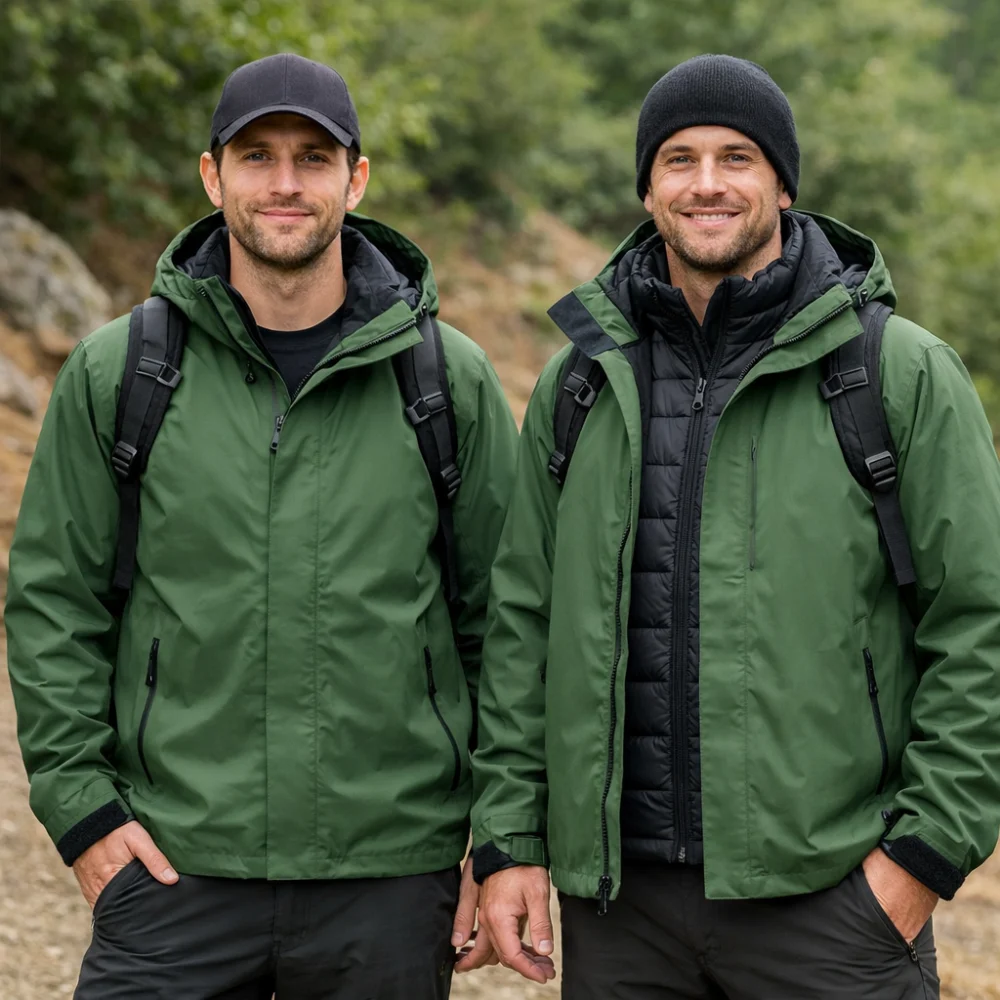
Who a 3-in-1 jacket may suit best
| Buyer need | What to prioritise | Possible trade-off |
|---|---|---|
| School and everyday use | Simple layering, easy fastening and reliable comfort | May be less specialised for extreme wet or cold conditions |
| Changeable weather | Versatile shell and liner combination | More parts to manage than a single jacket |
| Outdoor days out | Comfort, movement and adaptable warmth | Could be bulkier than a lighter coat |
| Growing children | Enough room to layer without feeling oversized | Buying too large can reduce comfort now |
Common mistakes and misunderstandings
- Thinking all 3-in-1 jackets are equally versatile: Some are better at rain protection, while others are better at layering warmth. Check what each layer is designed to do.
- Buying for growth only: A jacket that is too large may feel uncomfortable and limit movement. A small amount of room is useful, but too much can work against everyday wear.
- Ignoring how the liner feels on its own: If the inner layer is scratchy, too warm or awkward under sleeves, the jacket may not get used as intended.
- Assuming the full jacket will be the only configuration used: Many buyers choose 3-in-1 jackets for flexibility, so it helps to check that both separate and combined wear make sense.
Safety and suitability caveats
Choose a jacket that suits the child’s normal activities and the weather they will actually face. For younger children, make sure the jacket is comfortable enough to wear without fuss and that any hood, cuffs or fastenings are appropriate for everyday use. If you are buying for wet or cold conditions, check the individual product details carefully rather than assuming every 3-in-1 design offers the same level of protection.
Maintenance, storage and lifespan considerations
3-in-1 jackets usually need a little more care than a simple single-layer coat because there are two parts to manage. Think about whether the liner can be worn and stored separately, whether the jacket will need regular cleaning after muddy outdoor use and whether the child can handle the zips or fastenings without frustration. A jacket that is easy to separate, store and put back together is often more likely to stay in regular use.
How to compare options efficiently
- Start with the main use: rain, warmth, or mixed weather.
- Decide whether you need the shell, the liner, or the full combination most often.
- Check fit, movement and whether there is room for a base layer.
- Compare how easy the jacket is to wear, layer and fasten.
- Read the individual product page for the details that matter to your child.
Summary buyer decision checklist
- Will the jacket be worn mostly for rain, warmth or both?
- Is the inner layer useful on its own?
- Does the fit allow comfortable movement and layering?
- Are the hood, cuffs and fastenings practical for everyday use?
- Is the jacket simple enough that it will actually get worn?
Frequently asked questions
What is a 3-in-1 jacket for children?
It is a jacket system with an outer layer and a removable inner layer. The idea is to give you more than one wearing option from a single garment. That can be helpful when the weather changes often or when a child needs one jacket for different kinds of days.
Is a 3-in-1 jacket better than a normal winter coat?
Not always. A 3-in-1 jacket is usually more flexible, while a normal winter coat may feel simpler and more convenient if it is mainly needed for cold weather. The better choice depends on whether you want adaptability or straightforward warmth.
Can the layers be worn separately?
That is the point of a 3-in-1 design, but the exact setup varies by model. Some inner layers work well on their own for cool days, while others are mainly there to add warmth when combined with the shell. Check the product details to see how each layer is intended to be used.
What matters most when choosing the size?
Fit matters more than guessing ahead for growth. You want enough room for comfortable movement and layering, but not so much that sleeves, cuffs or hems become awkward. If the jacket will be used for active outdoor wear, a good fit is especially important.
Are 3-in-1 jackets suitable for school?
They can be, especially if the child needs one jacket for changing conditions. The practical question is whether the design is easy enough for everyday use and comfortable enough to wear all day. A bulky or fiddly jacket may be less suitable than a simpler option.
Do 3-in-1 jackets always include a fleece lining?
No. The inner layer can vary by model, so it is better to check what the removable layer is made from and how it is designed to be worn. Some linings are warmer or more versatile than others.
Should I buy a 3-in-1 jacket or separate jackets?
If you want flexibility in one garment, a 3-in-1 jacket can be a sensible choice. If you already know the child mainly needs one specific type of coat, separate jackets may be simpler. Think about how often each layer will realistically be used.
How to compare weather-protection claims
Weather descriptions are not always interchangeable: a jacket described as water-resistant may be intended for different conditions from one described as waterproof. Match the stated protection to the child’s usual outings, and check the product information for details such as how the shell is constructed and whether breathability is described. For energetic play, comfort and heat build-up may matter alongside rain protection; for longer wet-weather use, prioritise the shell’s stated protection rather than relying on the 3-in-1 label alone.
Can I use a different inner layer with the shell?
Do not assume that an inner layer from another jacket will attach to the shell; joining methods and fit can vary. Check the product information for compatible layers. If wearing a separate layer underneath, make sure the combined fit allows comfortable movement.
More Children's 3-in-1 Jackets
See all 108 Children's 3-in-1 Jackets →


As an Amazon Associate we earn from qualifying purchases.