


Glove liners are a simple layer with a specific job: they sit close to the hand and can add warmth, softness or a little extra comfort under another pair of gloves. Some people use them on their own in milder conditions, while others choose them as an inner layer for colder weather or for changing activity levels.
The right choice depends less on fashion and more on how you plan to use them. Fit, thickness, dexterity and material all affect whether a liner feels helpful or merely bulky.
If you are comparing glove liners for walking, commuting, running, cycling or everyday use, it helps to focus on how much warmth you need, how much hand movement you want to keep and whether the liner has to work inside another glove.
Compare Glove Liners


As an Amazon Associate we earn from qualifying purchases.
What should you look for in glove liners?
The best starting point is the balance between warmth and dexterity. A thinner liner usually gives better finger control and works more easily under outer gloves, while a thicker or denser liner may feel warmer but can reduce precision. Material matters too, because different fabrics manage heat, moisture and softness in different ways.
Specifications vary by model, so always check the individual product page before buying.
| Feature | What it means | Why it matters | What to check |
|---|---|---|---|
| Material | The fabric used for the liner | Affects warmth, comfort and how the liner handles moisture | Look for the material description and any care guidance |
| Thickness | How substantial the liner feels in the hand | Changes warmth and dexterity | Decide whether you want a slim liner or a fuller insulating layer |
| Fit | How closely the liner follows your hand shape | Too loose can feel clumsy; too tight can limit comfort | Check sizing information and whether the cut is close-fitting |
| Grip and palm feel | How secure the liner feels when holding items | Useful for everyday carry, walking poles or driving | Look for any grip-focused features if that matters to you |
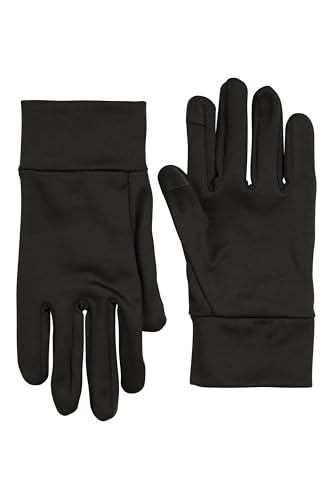
| Touchscreen use | Whether the liner is designed to work with screens | Helpful if you need to use a phone without removing the glove | Check whether touchscreen use is stated clearly on the product page |
| Layering role | Whether the liner is intended to be worn alone or inside another glove | Determines how much space and flexibility you need | Match the liner to the outer glove rather than buying by warmth alone |
Key decision criteria explained
Material and feel
Different liner materials create different trade-offs. A smoother, lighter fabric can feel less bulky and easier to layer, while a warmer-feeling fabric may add comfort in cooler conditions but take up more space. The right choice depends on whether you value touch sensitivity, insulation or a softer feel against the skin.
Thickness and warmth
Thicker does not automatically mean better. A bulky liner may be too warm for active use or too tight inside another glove, while a slim liner may be ideal for mild cold or as a backup layer. Think about whether you want a standalone option for light chills or an underlayer for deeper winter conditions.
Fit and sizing
Glove liners should usually feel close-fitting so they do not bunch up. A poor fit can reduce comfort and make small tasks harder. If you are between sizes, compare the listed measurements or size notes carefully, especially if the liner is meant to sit under a second glove.
Grip and dexterity
Some buyers need to hold reins, handles, poles, tools or a phone. In those cases, a liner that feels secure in the palm and fingers can be more practical than one chosen only for warmth. A liner that is too thick may protect from the cold but make detailed tasks awkward.
Touchscreen compatibility
Touchscreen use can be convenient, but it is not equally important for everyone. If you often check a phone or navigation app outdoors, it may be worth prioritising. If not, warmth and fit may matter more than screen use.
Common types of glove liners
At category level, glove liners are usually best thought of by their material and intended use rather than by lots of distinct sub-types. Some are very slim and designed mainly for layering, while others are warmer and can work as light standalone gloves in milder weather.
Lightweight liners suit people who want a close feel and minimal bulk. Their main limitation is that they may not provide much warmth on their own.
Warmer liners suit buyers who expect colder conditions or want a more substantial inner layer. The trade-off is that they can reduce dexterity and may feel less comfortable inside snug outer gloves.
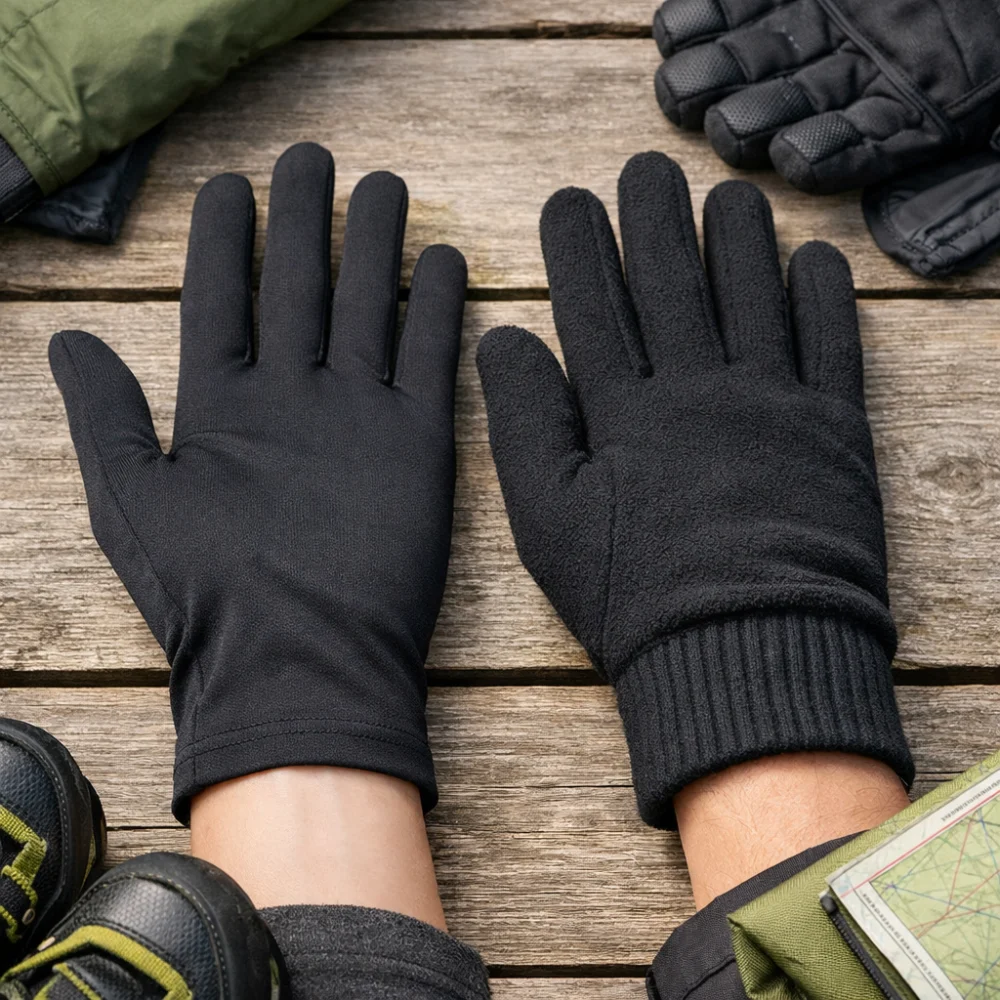
Touchscreen-focused liners suit people who want to keep gloves on while using a device. The limitation is that this feature should be treated as a convenience, not the main reason to buy.
Which liner suits which buyer?
| Buyer need | What to prioritise | Why | Likely trade-off |
|---|---|---|---|
| Daily commuting | Comfort, easy layering and quick on-off fit | Useful when moving between indoors and outdoors | May need to choose between slimness and warmth |
| Outdoor walking | Warmth, fit and a secure feel | Hands can cool down quickly when pace changes | Extra warmth can reduce finger precision |
| Running or active use | Lightweight feel and moisture handling | Overheating matters as much as warmth | Very warm liners can become uncomfortable |
| Wearing under outer gloves | Slim profile and smooth layering | Bulky liners can make outer gloves feel tight | Less bulk may mean less insulation |
| Everyday phone use | Dexterity and touchscreen support | Convenience matters if you use a device regularly | Screen-friendly features do not guarantee better warmth |
Common mistakes and misunderstandings
- Buying only for warmth. Warmth is important, but fit and thickness matter just as much, especially if the liner has to sit under another glove.
- Assuming one size suits every use. A liner that feels fine alone may feel too tight inside an outer glove.
- Overvaluing touchscreen claims. Screen use can be helpful, but it should not replace the basics of comfort and fit.
- Ignoring the intended activity. A liner for gentle walking may not suit more active use, where breathability and dexterity matter more.
- Expecting a liner to replace a proper outer glove in severe cold. Liners usually work best as part of a layering system or in milder conditions.
Safety and suitability notes
Glove liners are a comfort and layering purchase rather than a guaranteed solution for cold conditions. If you are buying for very low temperatures, wet weather or high exposure, consider how the liner will work with your other handwear rather than treating it as a stand-alone fix. For any product with a specific intended use, check the individual product page before buying.
Maintenance, storage and lifespan
Care needs vary by material, so washing and drying guidance is worth checking before you buy. A liner that is easy to care for is often more practical for regular use, while more delicate materials may suit buyers who are happy to handle them more carefully. Storage is usually straightforward: keep them dry, avoid crushing them for long periods and let them air fully after use if they have become damp.
How to compare glove liners efficiently
- Decide whether you need a liner for wearing alone, layering or both.
- Choose the balance of warmth and dexterity that matches your use.
- Check the fit and sizing details carefully.
- Look at material, grip and any touchscreen features as secondary factors.
- Compare the product page notes for care, intended use and any limitations.
Glove liners buyer checklist
- Have I decided whether the liner is for layering or standalone use?
- Does the thickness match the warmth I need?
- Will the fit work comfortably with my intended outer gloves, if any?
- Do I need touchscreen use or extra grip?
- Have I checked the material and care guidance?
- Will the liner suit my main activity, not just cold weather in general?
Frequently asked questions
Are glove liners meant to be worn on their own?
Sometimes, yes. Thinner liners can work on their own in mild conditions, but many are designed mainly as an inner layer. If you expect exposed or cold weather, check whether the liner is described as suitable for that use.
Do glove liners need to be tight?
They should usually be close-fitting, but not uncomfortable. A loose liner can bunch up and reduce dexterity, while one that is too tight may feel restrictive. The best fit depends on whether you plan to wear them alone or under another glove.
Which material is best for glove liners?
There is no single best material for everyone. The right choice depends on whether you want warmth, softness, moisture handling or low bulk. Compare the material description with the way you plan to use the liner.
Are touchscreen glove liners worth it?
They can be useful if you regularly use a phone outdoors, but they are not essential for every buyer. It is usually better to choose the right fit and warmth first, then treat touchscreen use as a helpful extra.
Can I use glove liners under waterproof gloves?
Often yes, provided the liner and outer glove work comfortably together. The important check is space: a liner that is too bulky can make the outer glove feel tight and reduce movement.
How do I know if a glove liner will be warm enough?
Start with how cold and how active you expect to be. A liner that feels warm during walking may not be enough for long periods in low temperatures, especially if you are standing still. Check the product description carefully and compare it with your use case.
More Glove Liners
See all 164 Glove Liners →


As an Amazon Associate we earn from qualifying purchases.