


Heated gloves are for people who need more warmth than a standard insulated glove can provide, whether that is for commuting, outdoor work, winter walks or time spent watching sport. They are not one-size-fits-all: the right choice depends on how cold it gets, how long you need warmth for and how much dexterity you still want in your hands.
This guide focuses on the buying decisions that matter most, so you can compare options without getting lost in product wording. It is especially useful if you are choosing heated gloves for the first time, replacing an older pair or deciding whether you need heated gloves at all.
Because heated gloves combine clothing, heating elements and a power source, it helps to think about both comfort and practicality. Specifications vary by model, so always check the individual product page before buying.
Compare Heated Gloves


As an Amazon Associate we earn from qualifying purchases.
What should you look for in heated gloves?
The best starting point is to match the gloves to the cold you actually face and the amount of hand movement you need. A warmer glove is not always the most practical choice if you need to grip tools, hold reins, use a phone or stay active outdoors. The main trade-off is usually between maximum warmth and everyday flexibility.
| Feature | What It Means | Why It Matters | What To Check |
|---|---|---|---|
| Heat output and settings | How the glove delivers warmth and whether levels can be adjusted | Different conditions and users need different amounts of heat | Look for clear temperature control and sensible adjustment options |
| Power source | How the glove is powered and recharged | It affects convenience, runtime and how easy the gloves are to use regularly | Check how the power system is carried, charged and managed during use |
| Fit and sizing | How closely the glove matches your hand size and shape | A poor fit can reduce comfort, warmth and dexterity | Compare the sizing guidance and any notes about unisex, men’s or women’s fit |
| Dexterity | How easy it is to grip, hold and perform fine tasks | Thicker warmth can make tasks harder | Think about zips, straps, handlebars, tools and phone use |
| Weather protection | How well the glove handles wind, moisture and cold conditions | Heat alone is not the same as full protection from the elements | Check whether the glove is designed for dry cold, damp conditions or mixed use |
| Use case | The activity the glove is intended for | Different activities place different demands on warmth and movement | Match the glove to commuting, walking, outdoor work or leisure rather than buying purely by appearance |
Key decision criteria
Warmth level versus flexibility
Heated gloves are usually chosen because the wearer feels cold quickly or stays outdoors for longer periods. The more warmth a glove offers, the more likely it is to feel bulkier, so it is worth thinking about how much finger movement you need. If you only want light warmth for short spells, a simpler glove may be enough; if your hands get painfully cold, heated gloves may be more appropriate.
Power and practicality
The power system is one of the most important parts of the decision because it affects how easy the gloves are to live with. Consider how you will charge them, whether you need to carry anything additional and how often you expect to use them. If the gloves will be part of a daily routine, convenience matters as much as heating performance.
Fit, cuff style and layering
Fit matters for both comfort and heat retention. Gloves that are too loose can feel draughty, while gloves that are too tight may reduce comfort and limit movement. Think about whether you need room for a thin liner underneath, whether the cuff sits neatly under or over a sleeve, and whether the glove shape suits your hand.
Dexterity and everyday use
If you need to handle keys, leashes, tools or phone screens, dexterity becomes a major factor. A glove that is excellent for warmth may still be frustrating if it makes small tasks awkward. Buy with your real routine in mind rather than assuming every heated glove will feel similar once worn.
Weather conditions
Some buyers mainly need protection from bitter dry cold, while others are dealing with wind, damp paths or changing weather. Heated gloves can help with warmth, but the outer construction still matters when conditions are wet or exposed. If you expect mixed winter weather, look carefully at the glove’s intended use rather than relying on the heating element alone.
Types and variants within heated gloves
There is usually variation in how heated gloves are intended to be used rather than a completely separate product family. Some are aimed at general winter wear, some at more active outdoor use and some at people who want more warmth for less finger movement. The most useful differences are often in fit, control and how much flexibility the glove leaves you with.
- General outdoor heated gloves: useful for everyday cold-weather wear where warmth is the main priority.
- More dexterous heated gloves: may suit buyers who still need to grip or handle objects frequently.
- Heated fingerless styles: can suit some tasks where warmth is needed more than full finger coverage, though they are not the same as a full heated glove.
Whichever style you are considering, make sure the intended use matches your expectations rather than assuming all heated gloves behave the same.
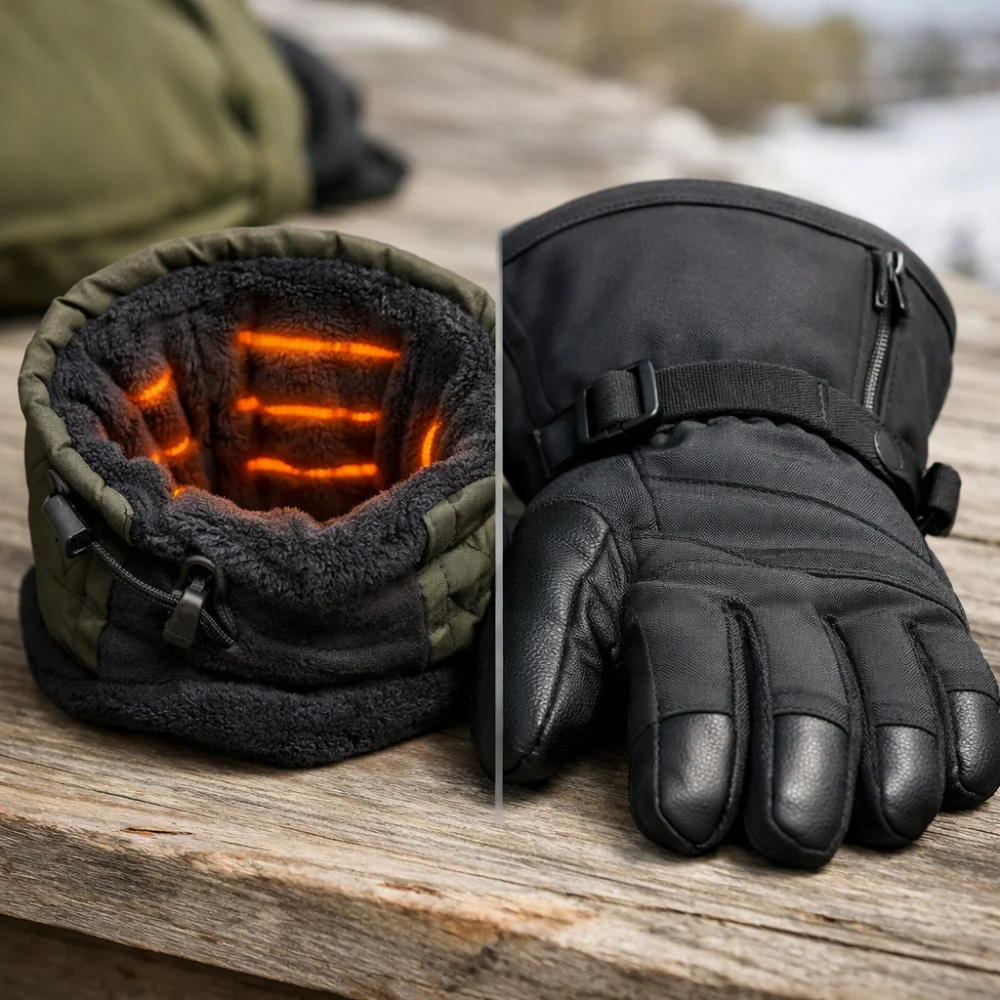
Which type suits which buyer?
| Buyer need | Likely priority | What to look for | Possible trade-off |
|---|---|---|---|
| Very cold hands in winter | More warmth and consistent heat | Clear heating control and a fit that keeps warmth close to the hand | May mean less flexibility |
| Everyday commuting | Balanced warmth and easy wear | Comfortable fit, practical cuff design and straightforward charging | May be less specialised for extreme cold |
| Outdoor work or tasks | Grip and movement | Good dexterity, secure fit and a design that suits repeated hand use | May not feel as warm as a bulkier option |
| Leisure walking or standing around | Comfort during slower activity | Warmth that suits lower movement levels and conditions | Runtime and bulk both matter |
| Gift buying | Simple fit and broad usefulness | Clear sizing information and a versatile design | Harder to choose if hand size or intended use is unknown |
Common mistakes and misunderstandings
- Buying for warmth alone: warmth is important, but comfort, fit and dexterity determine whether the gloves will actually get used.
- Ignoring the intended activity: gloves for leisurely use may feel different from gloves chosen for active outdoor work.
- Assuming power convenience will be the same across all models: the charging and handling of the power system can make a big difference to day-to-day use.
- Choosing a size without checking guidance: an awkward fit can undermine both warmth and usability.
- Overlooking weather exposure: heated gloves help with warmth, but they still need to suit the conditions you will wear them in.
Safety and suitability caveats
Heated gloves are a comfort and clothing purchase, but they still need sensible checking before use. Pay attention to the product’s intended audience, sizing guidance and any notes about how it should be used in cold or wet conditions. If you have particularly sensitive skin, circulation concerns or another medical reason for choosing heated wear, take extra care to read the product information closely.
Maintenance, storage and lifespan considerations
Heated gloves usually need a bit more care than standard gloves because they include heating components and a power system. Think about how they will be stored between uses, whether they need regular charging and how easy they are to keep clean without damaging the glove structure. If you expect frequent winter use, choose a pair that feels practical to maintain, not just comfortable on first wear.
How to compare options efficiently
- Start with the setting: decide whether you need everyday winter warmth, outdoor work use or something else.
- Check the fit and sizing guidance so the gloves will be comfortable and secure.
- Compare the heating control, power convenience and how the gloves are likely to feel in use.
- Look at dexterity and weather suitability to make sure the gloves fit your routine.
- Read the individual product page carefully before deciding.
Summary buyer decision checklist
- Do I need heated gloves, or would insulated gloves be enough?
- Will I prioritise warmth, dexterity or a balance of both?
- Does the fit look suitable for my hands and any layering I expect?
- Will the power and charging arrangement suit my routine?
- Are the gloves suited to the weather and activity I actually have in mind?
- Have I checked the individual product page for the details that vary by model?
Frequently asked questions
Are heated gloves worth it for everyday winter use?
They can be, if you regularly find standard gloves too cold or uncomfortable. The value depends on how often you are outdoors, how cold your hands get and whether you will actually use the extra warmth enough to justify the added complexity.
Should I choose heated gloves or glove liners?
Choose heated gloves if you want an all-in-one warming solution and need more heat than a liner can offer on its own. Liners are better when you already have an outer glove and simply want an extra layer, but they do not replace the same kind of integrated heating.
Do heated gloves need a special fit?
They do not need a special fit in the sense of a single universal shape, but fit matters more than in many ordinary gloves. If the glove is too tight or too loose, comfort and heat retention can both suffer.
Can I use heated gloves for outdoor work?
Sometimes, but only if the glove offers enough dexterity and the design suits the task. For work use, practicality often matters as much as warmth, so check grip, movement and whether the glove will stay comfortable during repeated handling.
What matters more: warmth or dexterity?
It depends on what you are doing. If you spend long periods standing still, warmth may matter most; if you need to hold tools, open zips or handle equipment, dexterity may be the better priority.
What should I check on the product page before buying?
Check the sizing guidance, the intended use, the power arrangement and any notes about weather suitability or handling. Specifications vary by model, so always check the individual product page before buying.
Compare heating coverage and power details
Heating elements may be positioned differently across gloves, so check which parts of the hand are intended to feel warm. Consider where you tend to feel cold and whether the stated coverage suits that need; do not assume every heated glove warms the whole hand in the same way.
When runtime information is provided, look for the setting or conditions it refers to. Higher heat settings and cold conditions can affect how long a power source lasts, so a single runtime figure may not reflect every use. Check how the power source is carried and charged, whether it can be removed for charging, and what the product information says is included.
Also consider whether the controls seem practical for your intended use. If you expect to adjust them while wearing the gloves, look for clear information about their position and operation rather than assuming they will be easy to reach.
More Heated Gloves
See all 174 Heated Gloves →


As an Amazon Associate we earn from qualifying purchases.