

Men’s ski and snowboard neck warmers are a simple piece of cold-weather clothing, but the right choice can make a noticeable difference to comfort on the mountain. Buyers usually want a balance of warmth, breathability and fit, without ending up with something bulky or restrictive.
This guide focuses on the decisions that matter most before you buy. It explains the common styles, the features that affect comfort and the checks that help you compare options quickly.
What should you look for first in a ski or snowboard neck warmer?
Start with how you plan to use it: steady resort days, windy chairlifts, variable weather or higher-output riding all point to slightly different priorities. A warmer, more enclosed option may suit colder conditions, while lighter and more breathable styles can feel better when you are active or layering up.
The main trade-off is usually warmth versus ventilation. A neck warmer that traps more heat can feel cosy in the cold, but it may also be less comfortable if you run warm or ride hard. Specifications vary by model, so always check the individual product page before buying.
| Feature | What it means | Why it matters | What to check |
|---|---|---|---|
| Coverage | How much of the neck, face or lower head it can cover | Affects warmth and how adaptable it feels in changing weather | Shape, length and whether it is designed for partial or fuller coverage |
| Breathability | How well moisture and excess heat can escape | Helps reduce clamminess when riding or moving actively | Fabric description and any ventilation-focused design cues |
| Stretch and fit | How closely it sits against the skin | Influences comfort, seal and whether it stays in place | Elasticity, sizing guidance and whether the fit is snug or relaxed |
| Fabric feel | The texture and softness against the skin | Matters if you wear it for long periods or over sensitive skin | Material notes and any mention of softness or brushed finish |
| Layering compatibility | How easily it works with jackets, helmets and goggles | Affects comfort around the collar and face opening | Bulk, shape and whether it can be worn multiple ways |
| Care and maintenance | How easy it is to clean and look after | Useful for repeated use through a season | Washing guidance on the product page or care label |
Key decision criteria explained
Warmth and coverage
Some neck warmers focus on light coverage for mild days, while others are designed to give more wraparound protection. If you often feel cold around the chin, jaw or lower face, a fuller style may be more useful than a simple tube. If you prefer less bulk, a lighter option may be enough.
Breathability and moisture management
When you are active, the neck warmer needs to manage heat as well as retain it. Materials that feel too heavy can become uncomfortable once you are moving, especially under a jacket collar. Look for wording that suggests a more breathable feel if you tend to warm up quickly.
Fit under outer layers
A neck warmer should sit comfortably with your jacket, base layers and helmet without bunching or pressing in the wrong place. A very loose fit may move around, while a very tight fit can feel restrictive. The best choice is usually the one that stays put without creating pressure.
Fabric comfort
For many buyers, comfort is the deciding factor. A softer feel can matter more than a slightly warmer construction if you plan to wear it for long stretches. If you are sensitive to scratchy fabrics, pay attention to material descriptions and finish.
Common types and variants
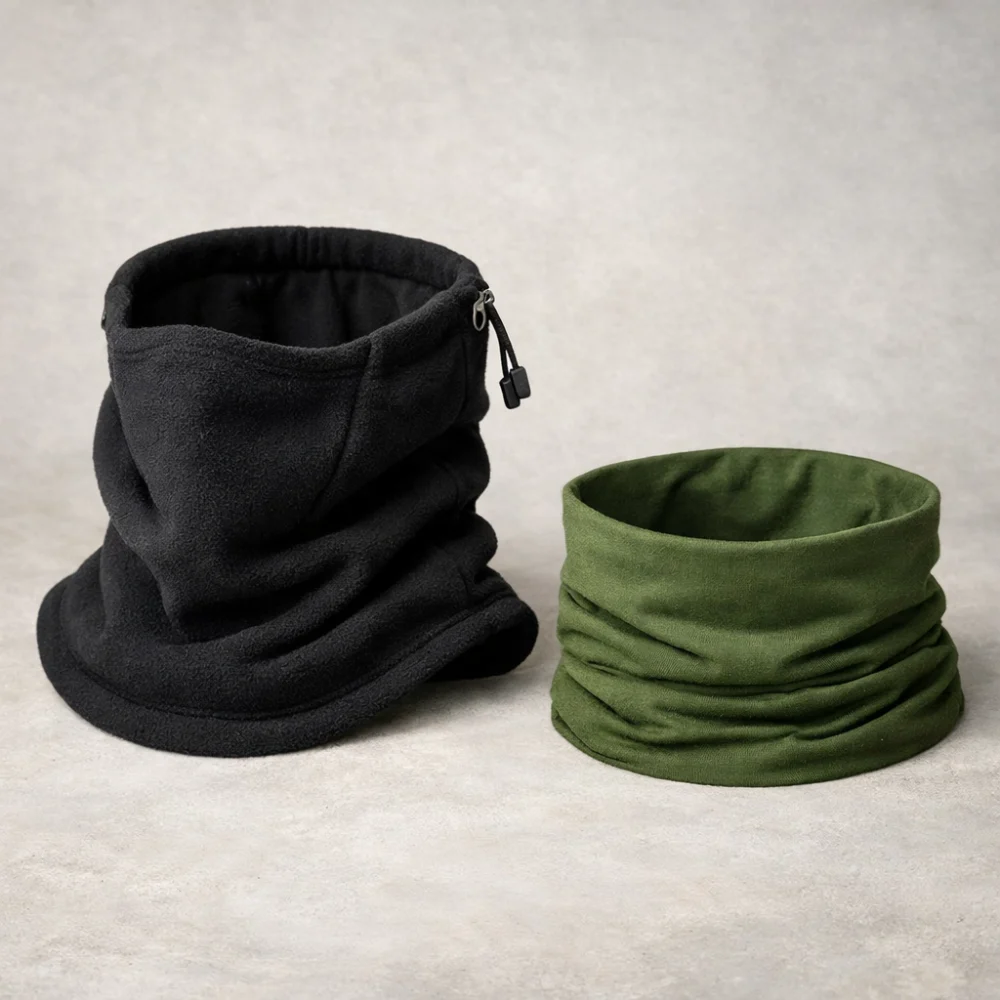
Within this category, the main differences are usually about coverage and shape rather than dramatic technical changes. A simple tubular neck warmer is easy to wear and often versatile. A higher-coverage style can feel more protective in colder conditions, while a lighter, less enclosing option may suit milder days or more active riding.
Some designs are aimed at general neck coverage, while others are shaped to sit more securely over the lower face. The more coverage you want, the more important it becomes to check that it still feels comfortable when worn with goggles, a helmet and jacket collar.
Which style suits which buyer?
| Buyer need | Useful characteristics | Why this helps |
|---|---|---|
| Cold-weather comfort | More coverage, a warmer feel and a close fit | Helps reduce drafts in exposed conditions |
| Active riding or variable effort | Breathability and lighter construction | Can feel less clammy when body heat rises |
| Simple everyday use | Easy fit, soft fabric and uncomplicated shape | Makes it easier to wear regularly without fuss |
| Layering with other gear | Lower bulk and predictable shape | Improves comfort with collars, helmets and other face coverings |
| Gift buying | Flexible fit and broadly useful design | Reduces the risk of choosing something too specific |
Common mistakes and misunderstandings
- Choosing warmth without considering breathability. A very insulating neck warmer can feel great at first, but less comfortable if you are active.
- Ignoring how it sits with a jacket or helmet. Bulk and shape matter as much as the material itself.
- Assuming all neck warmers feel the same. Small differences in fit and fabric can change comfort a lot.
- Overlooking skin feel. If you wear it for long periods, softness can matter more than expected.
Safety and suitability caveats
Neck warmers are a comfort item, not a guarantee of protection against cold, wind or poor weather. Choose a style that suits the conditions you expect, and make sure it does not interfere with your own comfort, breathing or visibility when worn with other gear. If you have specific sensitivity to fabrics or close-fitting clothing, check the product description carefully.
Maintenance, storage and lifespan considerations
Care is usually simple, but it still affects value. Check whether the item can be washed easily and whether it is likely to keep its shape after repeated use. Storing it dry and away from moisture helps keep it ready for the next trip, and a more durable feel may be worth prioritising if you expect regular seasonal use.
How to compare options efficiently
- Decide how cold, windy or active your usual conditions are.
- Choose the level of coverage that matches that use.
- Check the fabric feel, breathability and fit description.
- Consider whether it needs to work easily with other ski or snowboard layers.
- Compare the care instructions and any notes about shape retention or stretch.
Summary buyer decision checklist
- Does the coverage match the conditions you expect?
- Will it feel comfortable for the length of time you plan to wear it?
- Does it look suitable for layering with a jacket, helmet or other face covering?
- Is the fit likely to stay in place without feeling tight?
- Does the fabric sound soft, breathable or warm enough for your needs?
- Are the care instructions practical for regular use?
Frequently asked questions
Are neck warmers better than scarves for skiing or snowboarding?
For mountain use, neck warmers are often easier to manage because they are less likely to flap around or get in the way. They also tend to sit more neatly under outerwear. The better choice depends on how much coverage and flexibility you want.
Should I choose a snug or looser fit?
A snug fit usually stays in place better and can feel more effective against drafts. A looser fit may feel more relaxed, but it can move around more under layers. The right answer depends on whether you value security or a lighter feel.
Is a heavier neck warmer always warmer?
Not necessarily. Thickness can increase warmth, but comfort also depends on fit, coverage and how well the fabric handles moisture. A lighter option may be more pleasant if you generate a lot of heat while riding.
Can one neck warmer work for different weather conditions?
Yes, many buyers prefer a versatile style that works across a range of temperatures. That said, the most adaptable option is usually the one that balances warmth and breathability rather than maximising either one.
What matters most if I wear goggles and a helmet?
Look at shape, bulk and how the neck warmer sits at the collar and face. It should feel comfortable without bunching where other gear overlaps. The goal is easy layering rather than maximum coverage at any cost.
How do I know if the fabric will feel comfortable against my skin?
Product descriptions often give clues such as soft, brushed, stretchy or lightweight. If you prefer less irritation, pay close attention to those details. When in doubt, a simpler and softer-feeling design is often the safer choice for comfort.