

Women’s riding jackets and coats need to do a few jobs at once: keep you comfortable, allow enough freedom to ride safely and suit the weather you are likely to face. The right choice often depends less on fashion and more on how you ride, how much warmth you need and whether you want a layer for the yard, schooling or hacking out.
This guide focuses on the buying decisions that matter before you compare individual products. It helps you work out which features are useful, which are mostly preference and which details are worth checking carefully on the product page.
If you are choosing for riding rather than general outdoor wear, small design differences can matter. A jacket that feels ideal off the horse may not be the easiest to ride in, especially if it feels bulky, rides up or restricts movement through the shoulders.
What should you look for first in a riding jacket or coat?
Start with the main purpose: lightweight layering, everyday yard wear or a warmer outer coat for colder conditions. Then look at fit, movement, length and weather protection, because those are the features most likely to affect how practical the garment feels when you are riding. Specifications vary by model, so always check the individual product page before buying.
| Feature | What It Means | Why It Matters | What To Check |
|---|---|---|---|
| Fit | How the jacket sits on the body and layers over other clothing | Controls comfort, movement and whether it feels bulky in the saddle | Look for sizing notes, shaping and whether it is intended as a close or relaxed fit |
| Length | How far the jacket or coat extends on the body | Affects warmth, coverage and ease of movement while riding | Check whether the cut is short, mid-length or longer and how that may feel on horseback |
| Weather protection | How well it handles wind, light rain or cooler conditions | Important if you ride outdoors or spend time at the yard in changeable weather | Review the product description for the type of protection offered and any care guidance |
| Mobility | How easily you can move your arms, shoulders and upper body | Matters for riding position, grooming and stable work | Check design details that suggest flexibility or restriction |
| Layering | How well the jacket works over base layers or jumpers | Useful if you need one piece for different seasons | Consider whether you want a lighter shell or a warmer outer layer |
Key decision criteria explained
Fit and movement
Fit is one of the most important choices because riding clothing has to work both in and out of the saddle. A snug fit can feel neat and reduce excess fabric, while a roomier fit may be more comfortable for layering. The trade-off is that a looser cut can feel less streamlined, while a very close cut may limit comfort if you want to wear thicker layers underneath.
Weather use
Think about the conditions you face most often. If you mainly want a layer for milder days, a lighter jacket may be enough. If you ride in colder or wetter weather, a coat with more coverage or better protection may be more practical, but it can also feel heavier or less breathable.
Length and coverage
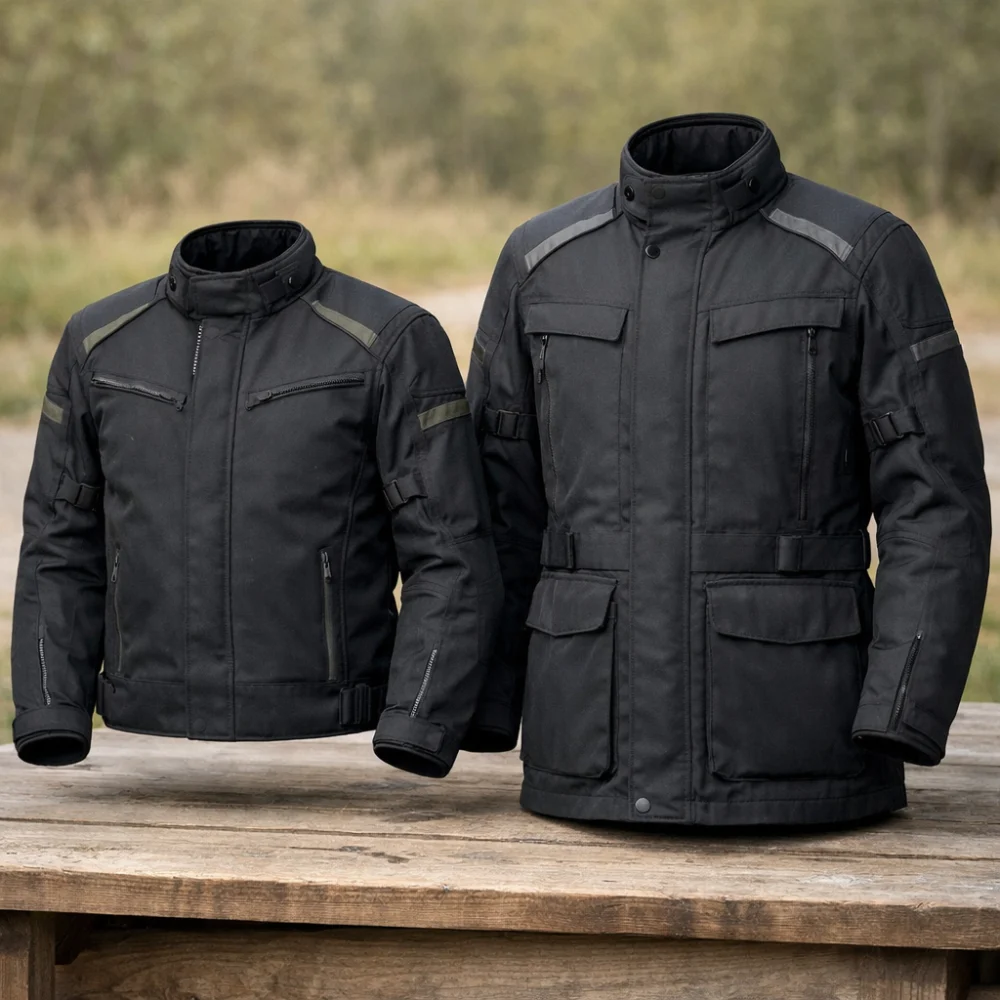
Shorter jackets often suit active riding because they can feel less bulky and easier to manage. Longer coats may offer more coverage when standing around the yard, but they can feel less convenient if you want a garment that is primarily for riding. Consider where you will wear it most, not just how it looks when hanging up.
Layering and seasonality
Many buyers want one jacket to carry them through several seasons. That can work well if you choose a layer that leaves room for a base layer in colder weather without becoming too bulky in warmer weather. A single garment rarely does everything equally well, so it helps to decide whether you are prioritising warmth, versatility or freedom of movement.
Product types and variants
Within this category, the main differences are usually about warmth, coverage and structure rather than completely different product functions. Some buyers will want a lighter jacket for milder riding days, while others will prefer a warmer coat for standing around the yard or facing colder weather.
- Lighter riding jackets can suit active use and layering, but may offer less insulation.
- Longer coats can provide more coverage, but may feel less compact in the saddle.
- More insulated options can be useful in colder weather, but can add bulk.
Because designs vary, it is better to compare the intended use than to assume all riding jackets behave the same way.
Which features matter most for different buyers?
| Buyer need | What tends to matter most | Why |
|---|---|---|
| Everyday rider | Comfort, easy movement and versatile layering | Useful if the jacket needs to work across yard tasks and time in the saddle |
| Cold-weather buyer | Coverage, warmth and practical outer-layer design | More important when you spend time standing around in low temperatures |
| All-season buyer | Layering potential and moderate bulk | Helps one garment work across a wider part of the year |
| Buyer prioritising neat riding fit | Streamlined cut and freedom at the shoulders | Useful when you want less fabric bunching while mounted |
Common mistakes and misunderstandings
- Choosing only by appearance. A jacket can look smart but still feel awkward to ride in if it is too stiff or bulky.
- Assuming a warmer coat is always better. Extra insulation helps in cold weather, but it can reduce flexibility and make layering harder.
- Ignoring length. A longer coat may be useful off the horse but less convenient if you want a riding-first layer.
- Forgetting what you wear underneath. If you normally layer up, the outer fit needs to leave enough room without becoming restrictive.
Safety and suitability caveats
For riding use, the main buying concern is suitability rather than special technical claims. Check that the garment feels comfortable in your normal riding position and does not interfere with movement, especially around the shoulders and arms. If you ride in variable weather, make sure the product description matches the conditions you actually face rather than relying on the name alone.
Remember that a jacket or coat is only one part of your riding outfit. It should work alongside the rest of your clothing, not replace sensible layering or practical clothing choices for the day.
Maintenance, storage and lifespan considerations
Riding jackets and coats are often worn in muddy, dusty or changeable conditions, so it helps to think about cleaning and storage before you buy. A garment that is easy to keep clean and dries in a sensible time can be more practical if you ride regularly. Also consider how much space it will take up when not in use, especially if you need to hang or store bulkier outer layers.
Specifications vary by model, so always check the individual product page before buying.
How to compare options efficiently
- Decide where you will wear it most: riding, yard work or both.
- Choose the general type you need: lighter jacket, warmer layer or longer coat.
- Compare fit, length, movement and weather protection.
- Think about what you will wear underneath and how often you need to layer.
- Check the individual product page for any model-specific details before deciding.
Summary buyer decision checklist
- Does the fit allow comfortable movement in the saddle?
- Is the length suitable for how you ride and work around the yard?
- Will it be warm enough, or too warm, for your usual conditions?
- Can you layer it with what you already wear?
- Does the description match the weather protection you actually need?
- Have you checked the individual product page for model-specific details?
Frequently asked questions
What is the main difference between a riding jacket and a riding coat?
The difference is usually coverage and warmth. Jackets tend to feel lighter and more compact, while coats often give more coverage and can be better for colder conditions or time spent standing around. The right choice depends on whether you want riding comfort, extra warmth or a bit of both.
Should a riding jacket fit snugly?
It should fit securely enough to avoid excess bulk, but not so tightly that it restricts movement or layering. A good fit often leaves room for a base layer without feeling loose at the shoulders. The best balance depends on how you plan to wear it.
Are longer coats suitable for riding?
They can be, but suitability depends on the design and your own comfort. Some buyers prefer longer coats for warmth and coverage, while others find shorter layers easier to ride in. Think about whether your priority is mounted comfort or standing coverage.
What should I check if I want one jacket for different seasons?
Look for a piece that layers well and does not feel too bulky on milder days. You may prefer a moderate outer layer rather than something very heavy or very minimal. If a product page gives more detail about intended use, that can help you decide whether it suits year-round wear.
How important is weather protection?
It matters if you ride outdoors or spend a lot of time at the yard in changeable conditions. The level of protection you need depends on whether you mainly face cool wind, light rain or colder weather overall. It is usually better to match the garment to the conditions you face most often than to buy for the worst case every time.
What is the most common buying mistake?
Many buyers focus on appearance and overlook how the jacket feels in motion. Riding clothing should work when you are moving, layering and sitting in the saddle, not just when viewed flat or on a hanger. Checking fit and intended use first can prevent disappointment later.