

Children’s riding gloves are a practical part of riding clothing, but the right pair depends on fit, feel and the way they will be used. Some children want a light glove for regular lessons, while others need something warmer or more hard-wearing for wetter, colder days.
The main buying challenge is balancing grip, comfort and durability without ending up with gloves that feel bulky or restrictive. A good choice should let a child hold the reins comfortably, keep their hands protected from the weather when needed, and still allow enough flexibility for everyday riding tasks.
What should you look for in children’s riding gloves?
The best starting point is fit. Gloves that are too loose can feel clumsy, while gloves that are too tight can be uncomfortable and may limit movement. From there, think about the riding conditions, how often the gloves will be worn and whether the child mainly needs warmth, grip or all-round everyday use. Specifications vary by model, so always check the individual product page before buying.
| Feature | What it means | Why it matters | What to check |
|---|---|---|---|
| Fit | How closely the glove follows the child’s hand | Affects comfort, reins feel and finger movement | Look for size guidance and consider whether the child needs a close or slightly roomier fit |
| Grip | The glove’s surface or palm design | Helps maintain a secure hold without making the glove feel stiff | Check the product description for grip-focused details if this is important for everyday riding |
| Warmth | How much insulation or coverage the glove provides | Useful for colder weather, but extra bulk can reduce dexterity | Consider the season and whether the child needs a lighter or warmer style |
| Flexibility | How easily the glove bends with the hand | Influences comfort and ease of holding the reins | Look for wording that suggests stretch or flexible construction |
| Durability | How well the glove may stand up to regular use | Important for children who ride often or are hard on clothing | Check seams, reinforcements and the intended level of use where described |
| Care | How the gloves should be cleaned and stored | Helps them last longer and stay comfortable | Check the care instructions before buying, especially for gloves used frequently |
Key decision criteria explained
Fit and sizing
For riding gloves, fit is more important than appearance. A glove should stay in place without pinching, and there should be enough room for the child to bend their fingers naturally. Because children’s hands grow quickly, it is worth checking whether a product offers a clear size guide or a little adjustment room.
Season and weather use
Think about when the gloves will be worn most often. Lighter gloves can feel better in milder weather and during active riding, while warmer gloves may be more comfortable for winter lessons or yard work in cold conditions. Heavier gloves can protect more from the weather, but they may reduce sensitivity on the reins.
Grip and feel on the reins
Some gloves are chosen mainly for grip, especially for children who are building confidence or riding regularly. Others prioritise a softer feel and all-day comfort. The trade-off is usually between a secure hold and a glove that feels very supple, so it helps to decide which matters more for the child’s riding routine.
Durability and everyday wear
Children’s gloves often need to cope with frequent use, being pulled on and off, and general outdoor wear. If the gloves are for regular lessons, look for a style that seems practical rather than delicate. If they are for occasional use, comfort may matter more than heavy-duty construction.
Types and variants within the category
There are usually a few broad styles of riding glove to consider, even when the category is small.
- Lightweight riding gloves suit milder weather and buyers who want a close, flexible feel.
- Warmer riding gloves are more suitable for colder conditions, but can feel thicker in the hand.
- Everyday general-purpose riding gloves aim for a balance of comfort, grip and usefulness across different sessions.
The most suitable option depends on when the gloves will be worn and how much sensitivity the child needs when holding the reins. If the child rides in different seasons, a balanced style may be more practical than a highly specialised one.
Which gloves suit different buyers?
| Buyer need | What to prioritise | Why |
|---|---|---|
| Beginner rider | Comfort, simple fit and easy movement | Helps the child wear the gloves happily and concentrate on riding |
| Regular lesson rider | Reliable grip and everyday durability | Useful for repeated use and consistent handling |
| Cold-weather rider | Warmth and coverage | Makes winter riding and yard time more comfortable |
| Gift buyer | Clear sizing information and versatile design | Reduces the risk of choosing something too specific or poorly fitting |
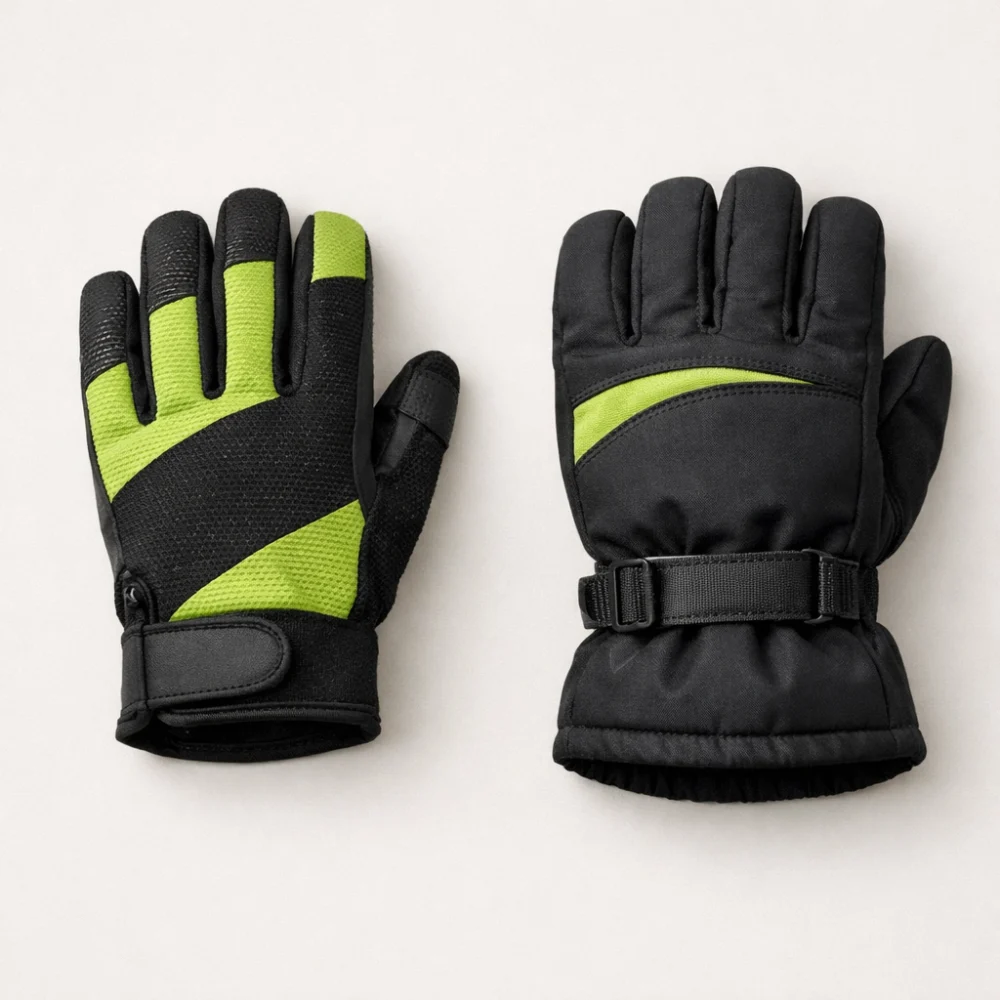
Common mistakes to avoid
- Choosing by age alone. Children’s hands vary a lot, so size and fit matter more than a general age label.
- Over-prioritising warmth. Very warm gloves may feel bulky, which can make rein feel less precise.
- Ignoring the main use case. A glove for occasional use may not need the same durability as one for frequent lessons.
- Forgetting care needs. Gloves that are used often should be easy enough to clean and store properly.
Safety and suitability checks
Riding gloves should support comfort and control, but they do not replace good riding practice or proper supervision. Check that the gloves suit the child’s hand size and the type of riding they do, and make sure the material and construction feel appropriate for the conditions. If a child is between sizes, it is usually better to compare the product information carefully rather than assume a loose or tight fit will improve over time.
Maintenance, storage and lifespan
Children’s gloves tend to last longer if they are dried and stored carefully after use. Frequent riding, damp weather and repeated pulling on and off can all shorten their useful life, so look for gloves that seem easy to keep in good condition. If the product page gives cleaning guidance, it is worth checking before buying, especially for gloves that may be worn regularly.
How to compare options efficiently
- Decide when the gloves will be worn most often.
- Choose the broad type that fits that use, such as lighter or warmer gloves.
- Compare fit guidance, grip, flexibility and durability.
- Check how easy the gloves are to clean and store.
- Read the individual product page carefully before deciding.
Summary buyer decision checklist
- Does the size guidance suit the child’s hand measurements?
- Is the glove suited to the weather and season it will be used in?
- Does it balance grip and flexibility well enough for riding?
- Will it be comfortable for the intended length and frequency of use?
- Are the care instructions practical for regular wear?
- Does the product page give enough detail to judge suitability?
Frequently asked questions
How should children’s riding gloves fit?
They should sit close to the hand without pinching or restricting finger movement. A glove that is too loose may feel awkward on the reins, while one that is too tight may be uncomfortable after a short time. Size guidance on the product page is the best place to start.
Are riding gloves needed for beginners?
They are often useful because they can improve comfort and help a child feel more secure holding the reins. That said, the right choice depends on the weather, how often the child rides and what else they already wear. A simple, comfortable pair is usually easier for a beginner than something overly specialised.
Should I choose warmer gloves or lighter gloves?
Choose warmer gloves if they will be used in cold conditions or for outdoor yard work. Choose lighter gloves if the child needs more dexterity and a closer feel on the reins. The most practical option depends on the season and how sensitive the rider wants the glove to feel.
What matters more, grip or flexibility?
Both matter, but the balance depends on the rider. Grip is useful if the child needs a secure hold, while flexibility helps with comfort and natural hand movement. For everyday use, many buyers prefer a middle ground rather than the strongest possible grip.
Can children’s riding gloves be used for other outdoor activities?
Some may be suitable for general outdoor wear, but riding gloves are chosen with rein feel and hand comfort in mind. If another activity needs more warmth, tougher construction or a different grip pattern, it may be better to look for a glove designed for that purpose. Check the product description rather than assuming they will suit every use.
How do I avoid buying the wrong size as a gift?
Look for clear sizing information and choose a style that is practical rather than highly specialised. If you are unsure, a versatile everyday glove can be easier to get right than a very exact weather-specific option. It also helps to check whether the product page includes any measurement guidance.