

Men’s sailing jackets are chosen for a mix of weather protection, movement and comfort on the water. The right option depends on how exposed your sailing is, how active you are on deck and how much layering you need underneath.
This guide focuses on the buying decisions that matter most: waterproofing, breathability, hood design, cuffs, fit and the difference between lighter spray protection and more protective foul-weather styles. It is meant to help you compare options sensibly rather than treat every jacket as suitable for every sailing use.
Because product details vary, it helps to compare the jacket against the conditions you expect to face and the layers you plan to wear. Specifications vary by model, so always check the individual product page before buying.
What should you look for in a men’s sailing jacket?
The best starting point is the conditions you sail in most often. A jacket for occasional fair-weather sailing can prioritise lightness and freedom of movement, while one for frequent wet or exposed conditions needs more emphasis on weather protection, coverage and secure closures. The main trade-off is usually between lighter, easier-to-wear designs and more protective jackets that may feel warmer or bulkier.
Think about how you move on deck, whether you need room for layers and whether you want a hood and collar that stay comfortable when conditions change. The details that seem minor at first often make the biggest difference in real use.
| Feature | What It Means | Why It Matters | What To Check |
|---|---|---|---|
| Weather protection | How much wind and water resistance the jacket is designed to provide | Helps you match the jacket to the conditions you are likely to meet | Look for the intended use of the jacket and the level of coverage described on the product page |
| Breathability | How well the jacket can manage moisture from inside | Important if you are active or wearing the jacket for longer periods | Check whether the design is aimed at high-exertion use or more general wet-weather protection |
| Fit and layering room | How the jacket sits over base layers and mid-layers | A poor fit can restrict movement or make layering uncomfortable | Look for guidance on cut, sizing notes and whether the jacket is intended for close or relaxed layering |
| Collar, cuffs and closures | The parts that help keep out spray, wind and draughts | These details affect comfort more than many buyers expect | Check cuff style, neck coverage, zip protection and any storm flap or adjustable feature described |
| Hood design | Whether the hood is fixed, adjustable or packable | A good hood can improve usability in changing weather | Confirm how the hood is intended to be worn and whether it is designed to stay secure in wind |
Key decision criteria
Intended sailing conditions
Start with the kind of sailing you do most. A jacket for sheltered coastal trips, training sessions or occasional wet weather may not need the same level of coverage as one used regularly in exposed, windy conditions. The more demanding the environment, the more important it becomes to prioritise protection and reliable closures over a lighter feel.
Waterproofing and spray resistance
Some jackets are aimed more at repelling spray and light rain, while others are built for harsher conditions. A buyer can easily overestimate what a jacket will do if the product wording is not read carefully. Check how the jacket is described and avoid assuming that every sailing jacket is suitable for prolonged heavy rain.
Breathability and comfort on board
If you expect to be active, breathing fabric and moisture management matter because they affect how comfortable the jacket feels over time. A more protective jacket can sometimes feel warmer or less airy, which is a worthwhile trade-off in colder or wetter conditions. If you run warm or move a lot, comfort may matter more than extra bulk.
Movement, cut and layering
Sailing jackets should allow you to reach, bend and move without the hem riding up or the sleeves feeling tight. Consider whether you will wear only a base layer underneath or add insulating layers as well. A jacket that fits well over your usual clothing will usually be more useful than one chosen only for a size label.
Hood, collar and adjustability
These features can make a jacket much easier to live with, especially when the weather changes. A hood should be practical rather than simply present, and the collar should feel comfortable when fully fastened. Adjustability at the cuffs, hem and hood can improve the fit, but only if the features are easy to use with cold or wet hands.
Types and variants
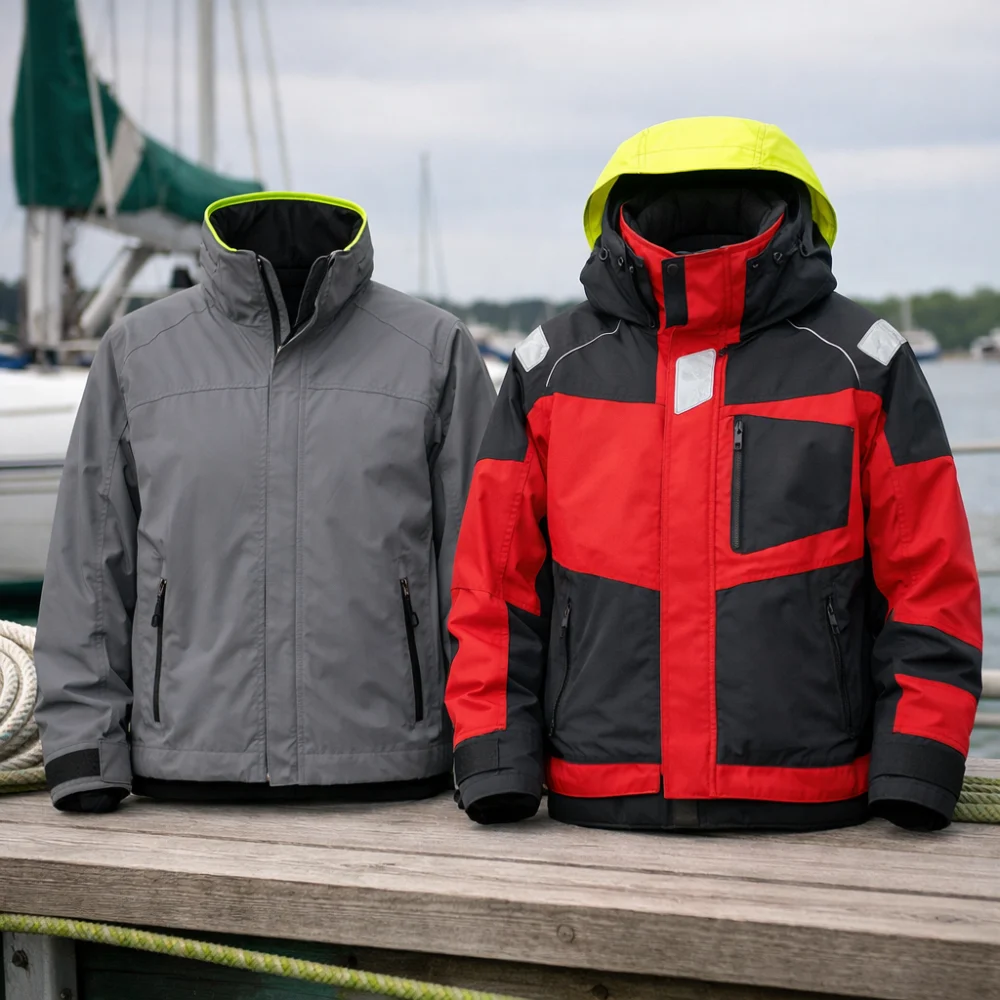
Within this category, the main differences are usually about level of protection and intended use rather than fashion styling. Lighter jackets are often chosen for milder conditions or as a flexible layer, while more substantial sailing jackets are better suited to more frequent exposure to wet weather and wind. Some designs lean towards active movement and breathability, while others emphasise coverage and protection.
If you are deciding between a lighter and a more protective style, think about how often you will be out in poor conditions and whether you prefer comfort in motion or more coverage when the weather turns. The right answer depends on your sailing pattern, not on a single universal “best” type.
Which jacket suits which buyer?
| Buyer need | Useful features | Main trade-off | Check before buying |
|---|---|---|---|
| Occasional or fair-weather sailing | Lighter construction, easy movement, simple layering | Less protection in harsher conditions | Read the intended-use wording carefully and confirm the jacket suits your usual weather |
| Regular wet-weather use | Better coverage, secure closures, practical hood | May feel warmer or less airy | Look for the balance between protection and comfort rather than focusing on one feature alone |
| Active sailing and frequent movement | Freedom of movement, breathable design, comfortable cuffs | May not be as substantial as heavier-duty options | Check fit notes and whether the cut allows layering without restriction |
| Layering for colder conditions | Roomy enough to fit insulation underneath | More volume can reduce trim and agility | Confirm sizing guidance and any notes about close or relaxed fit |
Common mistakes and misunderstandings
- Choosing for appearance first. A jacket that looks suitable may still be the wrong weight or cut for your sailing conditions.
- Assuming all sailing jackets do the same job. Some are better for spray and wind, while others are intended for more demanding weather.
- Ignoring layering needs. A jacket that is comfortable on its own may feel restrictive once you add base layers or insulation.
- Overlooking hood and cuff details. These small features often matter most when the weather turns unpleasant.
- Not checking the product description closely. Product pages usually explain intended use better than a short title does.
Safety and suitability caveats
Choose a jacket that suits the conditions you actually expect to face, and do not assume a general sailing jacket is suitable for every weather situation. If you sail in exposed or changeable conditions, pay close attention to the product information about coverage, closures and intended use. A garment can improve comfort and protection, but it should still be matched to the rest of your sailing clothing and to the environment you are in.
Maintenance, storage and lifespan considerations
General care affects how well a sailing jacket remains comfortable and practical over time. Dirt, salt and damp can all make a jacket less pleasant to wear if it is not looked after according to the manufacturer’s guidance, and storage matters because compressed or wet kit is harder to keep in good condition. If a jacket depends on a water-resistant finish or other care-sensitive surface, it is sensible to check how that should be maintained before you buy.
How to compare options efficiently
- Decide whether you need light spray protection, regular wet-weather coverage or something in between.
- Check whether the jacket has enough room for the layers you plan to wear.
- Compare hood, collar, cuff and closure details, because they affect real-world comfort.
- Look at breathability and cut alongside protection so you do not over-prioritise one feature.
- Read the individual product page carefully before making a final choice.
Summary buyer decision checklist
- Match the jacket to the conditions you sail in most often.
- Decide how much layering room you need.
- Check whether the hood and collar design suit your use.
- Compare protection, breathability and freedom of movement.
- Read the product page for fit notes and intended use.
- Think about care and storage before buying.
Frequently asked questions
What is the difference between a sailing jacket and a regular waterproof jacket?
A sailing jacket is usually chosen with movement, wind exposure and deck use in mind, so the cut and details may be more practical for marine conditions. A regular waterproof jacket may keep out rain, but it may not offer the same balance of fit, coverage and usability for sailing. Check the product description rather than assuming the labels mean the same thing.
Do I need a hood on a sailing jacket?
Not every buyer will need one, but a hood can be useful when conditions change or spray becomes an issue. The important question is whether the hood is comfortable, secure and easy to manage in wind. If you already use other headwear, consider how the jacket works with that setup.
Should I size up for layering?
That depends on how you plan to wear the jacket. If you expect to use thicker mid-layers underneath, a little extra room may make the jacket more comfortable. If you mainly wear light layers, too much extra space can make the jacket feel less tidy and less easy to move in.
Is breathability as important as waterproofing?
For many buyers, yes, because comfort on board is affected by both. A jacket that keeps out water but feels clammy may be less pleasant to wear for long periods. The right balance depends on how active you are and how cold or wet your usual sailing conditions are.
What jacket features matter most for comfort?
Fit, collar feel, cuff adjustment and hood usability often matter more than buyers expect. If those details are comfortable, the jacket is more likely to be worn regularly. Small design choices can make a bigger difference than bold claims in the product title.
How can I tell whether a jacket suits my kind of sailing?
Use the product page to match the jacket to your usual conditions, such as mild coastal use, frequent wet weather or more exposed sailing. If the description is broad, focus on the jacket’s coverage, cut and intended use. When in doubt, compare the details against the kind of weather you are most likely to meet.