

Protective eyewear is one of the most important accessories to get right for airsoft, paintball and other target sports. The main decision is not just how the eyewear looks, but how well it fits, how comfortably it stays in place and whether it suits the way you play.
This guide is for buyers who want to compare options calmly and avoid picking on appearance alone. It explains the practical differences that matter most so you can judge whether a given design looks suitable before you check the product page in detail.
Because this category covers safety-focused eye protection, it is worth being selective rather than rushing the purchase. Specifications vary by model, so always check the individual product page before buying.
What should you look for first?
Start with fit, coverage and compatibility with your intended use. A pair that sits securely and feels comfortable is usually more useful than one that looks compact but distracts you during play. Then compare lens style, ventilation and whether the shape works with other kit you may wear at the same time.
The main trade-off is often between coverage and comfort. More wraparound coverage can feel reassuring, but it still needs to sit well on your face and leave enough room for your usual setup. If the fit is poor, even a good-looking design may be awkward to wear for long sessions.
| Feature | What It Means | Why It Matters | What To Check |
|---|---|---|---|
| Fit | How securely the eyewear sits on your face | Affects comfort, stability and how likely you are to keep wearing it | Shape, strap or temple style, and whether it seems suitable for your face size |
| Coverage | How much of the eye area the design surrounds or shields | Helps you judge whether the style suits your intended activity | Lens shape, frame size and how the design sits across the brow and sides |
| Lens type | The clear or tinted surface you look through | Influences visibility in different light and conditions | Whether the lens style matches your usual environment and preferences |
| Ventilation | How the eyewear manages airflow | Can affect steaming, heat and general comfort | Vent openings, lens design and any anti-fog features described on the page |
| Compatibility | How well it works with helmets, facewear or other kit | Important if you already use other equipment | Shape around the temples, nose bridge and edges, plus any product notes on use with other gear |
| Adjustment | Whether the fit can be fine-tuned | Helps different users get a steadier, more comfortable fit | Strap adjustment, nose-piece shape or any other fitting details mentioned |
Key decision criteria explained
Fit and stability
Fit is usually the first filter because uncomfortable eyewear is unlikely to stay in regular use. Look for a shape that follows your face without obvious pressure points and stays steady when you move. If you wear a helmet, cap or other face protection, the fit should still feel natural rather than crowded.
Coverage and shape
Different designs can cover the eye area in slightly different ways. Some buyers prefer a more enclosed feel, while others want a lighter, less bulky shape. The right answer depends on your activity, the rest of your kit and how much room you want around the face.
Lens choice
Lens style affects how easily you can see in your usual conditions. Clear lenses are often chosen for general visibility, while tinted or darker styles may suit brighter environments. The useful question is not which lens is universally better, but which one matches when and where you will actually use it.
Ventilation and fog control
Ventilation matters because trapped heat or moisture can make eyewear harder to live with. Some designs aim to reduce steaming through airflow or lens construction, while others rely more on the overall shape and fit. Look for any description of ventilation or anti-fog treatment, but remember that comfort can still vary with weather and activity level.
How it feels with other gear
Protective eyewear is often worn alongside other kit, so compatibility is practical rather than theoretical. If you already use head protection, a face covering or hearing protection, check whether the eyewear shape appears likely to sit neatly with those items. A good fit on its own is not enough if it becomes awkward once everything else is on.
Common types and variants
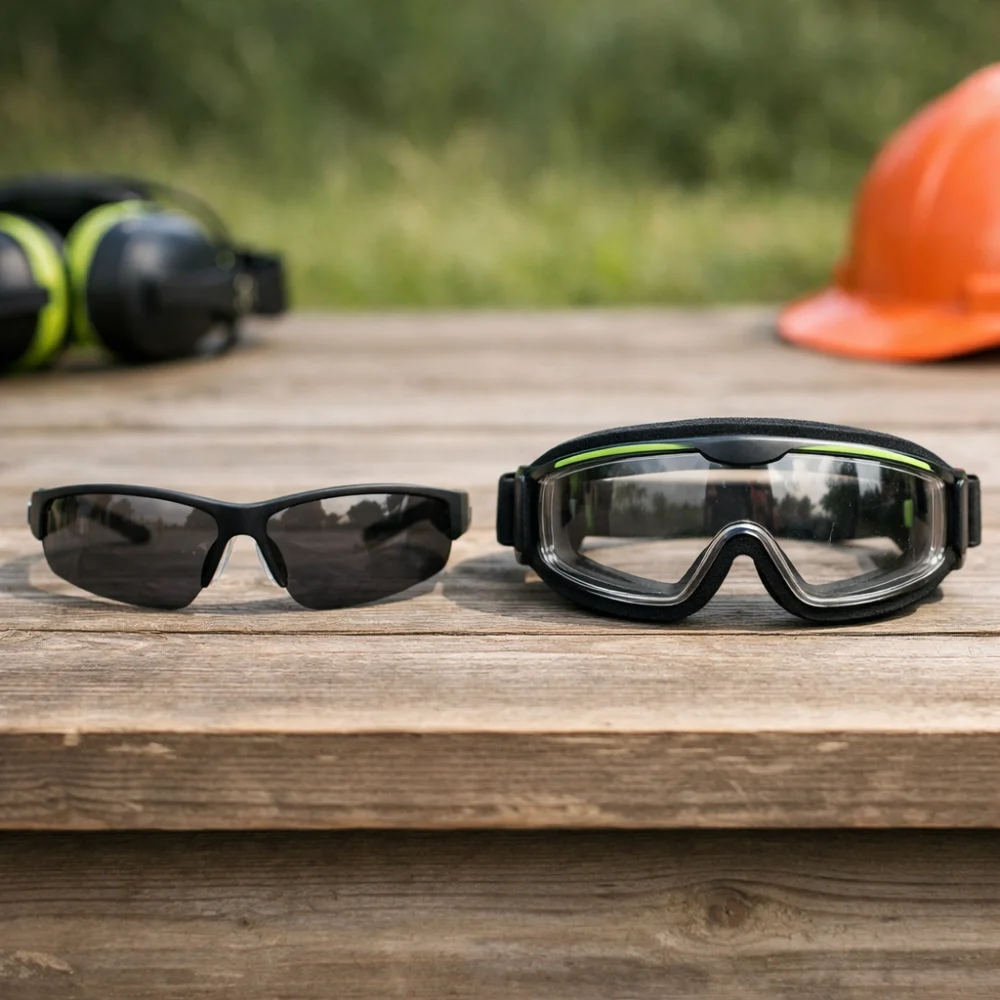
In this category, the main differences are usually about shape and coverage rather than dramatic feature changes. Some options are more goggle-like and enclosing, while others may be slimmer or more open in profile. The more enclosed styles may appeal to buyers who want a fuller feel, while slimmer options can suit those who prioritise a lighter setup.
The limitation of any single type is that it may suit one user and not another. A more compact design can feel less intrusive, but it may not be the best match if you want more wraparound coverage. A fuller design can feel more secure to one buyer and overly bulky to another.
Choosing by buyer need
| Buyer need | What to prioritise | What to be careful about |
|---|---|---|
| First-time buyer | Simple fit, clear description, and straightforward coverage | Do not assume one style suits everyone just because it looks familiar |
| Regular player | Comfort for longer sessions, ventilation and compatibility with other kit | A design that feels fine briefly may be less comfortable over time |
| Gift buyer | Adjustability and a broadly adaptable shape | Fit is personal, so avoid relying on appearance alone |
| Buyer with existing face kit | Shape around the nose, temples and edges | Check how the eyewear is likely to sit with the rest of the setup |
| Comfort-focused buyer | Stable fit, lighter feel and good ventilation | More coverage is not always more comfortable |
Common mistakes and misunderstandings
- Choosing by style alone: a neat appearance does not guarantee a comfortable or practical fit.
- Assuming one lens type is always right: the best option depends on lighting and how you use the eyewear.
- Forgetting about other kit: eyewear that seems fine on its own may clash with helmets or face coverings.
- Overlooking ventilation: comfort can drop quickly if the design traps heat or moisture.
- Ignoring fit details: small differences in shape can make a big difference in how usable the eyewear feels.
Safety and suitability caveats
Protective eyewear is a category where intended use matters. Check that the product is described in a way that matches your activity and that the style suits the rest of your equipment. Do not rely on visual impression alone, and do not assume one model is suitable for every form of target sport or every face shape.
If you are buying for another person, remember that comfort and fit are highly individual. What feels secure to one user may be awkward to another, especially where face shape, other worn kit or personal preference is involved.
Maintenance, storage and lifespan considerations
General care also affects buying confidence. Look for eyewear that seems straightforward to keep clean and easy to store without unnecessary bulk or risk of scratches. If a design uses separate parts, straps or coatings, consider whether those details make routine care more involved.
It is also sensible to think about how often you will use it. A pair chosen for occasional sessions may have different comfort priorities from one intended for frequent use, even when the broad category is the same.
How to compare options efficiently
- Decide what you need the eyewear for and how often you expect to use it.
- Choose the broad type and shape that seems most suitable for your face and other kit.
- Compare fit, coverage, lens style and ventilation before looking at extras.
- Weigh the trade-offs between more enclosed coverage and lighter, less bulky designs.
- Check the individual product page for any details that affect comfort, compatibility or intended use.
Summary buyer decision checklist
- Does the shape look likely to fit your face comfortably?
- Will it work with your other equipment?
- Does the lens style suit the conditions you expect?
- Is ventilation or anti-fog information mentioned?
- Does the overall design match your comfort preference: lighter, slimmer or more enclosed?
- Have you checked the individual product page for model-specific details?
Frequently asked questions
What matters most when choosing protective eyewear?
Fit is usually the most important starting point, followed by coverage and compatibility with your other kit. If the eyewear is uncomfortable or awkward to wear, it is less likely to be used properly. After that, compare lens style and ventilation to see which option suits your conditions.
Should I choose a more enclosed design or a slimmer one?
That depends on what you value more. More enclosed designs can feel more reassuring, while slimmer options may feel lighter and less intrusive. The better choice is usually the one that fits your face and your wider setup most naturally.
How important is ventilation?
Very important for comfort, especially if you expect longer sessions or active use. Better airflow can help the eyewear feel easier to live with, although comfort still depends on fit and conditions. If ventilation is not clearly described, check the individual product page closely.
Can I use the same eyewear with other face kit?
Sometimes, but it depends on the shape of the eyewear and the other items you wear. Compatibility is worth checking carefully if you use helmets, face coverings or ear protection. A good fit on its own does not guarantee a good fit with the rest of your kit.
Is a tinted lens always better than a clear lens?
No. Tinted lenses can suit brighter conditions, while clear lenses are often easier for general visibility. The right choice depends on when and where you use the eyewear rather than on a simple rule.
What should I check if I am buying as a gift?
Choose a style that looks broadly adjustable and avoid relying too much on appearance. Fit is personal, so a gift buyer should think about comfort, general shape and whether the recipient already uses other face kit. When in doubt, a less specialised design may be easier to choose.
How do I avoid buying the wrong type?
Focus on the practical details first: fit, coverage, lens style, ventilation and compatibility. Then read the product page for model-specific information rather than assuming all items in the category behave the same way. That approach keeps the choice simple and reduces the risk of picking a style that does not suit your use.