

Backpacking packs are a good fit when you need to carry more than a day’s essentials and want the load to feel manageable over longer walks, travel days or overnight trips. The right choice depends less on brand names and more on fit, capacity, comfort and how you prefer to organise your kit.
Because backpacking packs vary widely, it helps to separate the features that affect comfort from the features that simply add convenience. A careful comparison can save you from choosing a pack that feels too small, too bulky or awkward once packed.
Compare Backpacking Packs




As an Amazon Associate we earn from qualifying purchases.
What should you look for in a backpacking pack?
The best starting point is how much you need to carry and how long you expect to carry it. After that, focus on fit, load support and access to the contents, because those factors usually make the biggest difference in real use. Specifications vary by model, so always check the individual product page before buying.
| Feature | What It Means | Why It Matters | What To Check |
|---|---|---|---|
| Capacity | How much the pack can hold | Helps match the pack to your trip length and kit | Whether the size suits the amount you normally carry |
| Fit and harness | How the straps and back system sit on your body | Affects comfort, stability and how the weight feels | Strap adjustability, back length options and overall shape |
| Access | How you reach the main compartment and pockets | Makes it easier to organise and retrieve items | Top loading, front access or pocket layout |
| Weight and structure | How heavy and supportive the pack feels before loading | Influences carrying comfort and how much gear you notice | Balance between lighter construction and stronger support |
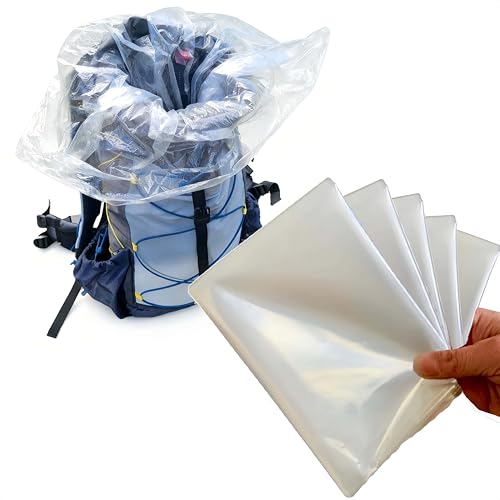
| Weather resistance | How well the pack copes with damp conditions | Important if you may be out in changeable weather | Fabric choice, rain cover inclusion and how you protect contents |
Key decision criteria
Capacity and trip length
Capacity is one of the first choices to narrow down, but it should be linked to how you travel rather than to a single ideal number. A pack that is too large can tempt overpacking, while one that is too small can leave you strapping items awkwardly to the outside. Think about whether you are packing for a lightweight overnight, a longer self-supported trip or a more flexible travel style.
Fit and carrying comfort
Comfort depends on how well the pack matches your torso and how the shoulder straps, hip belt and back panel distribute weight. A pack can look suitable on paper yet feel tiring if the fit is poor. If you often carry a heavier load, supportive structure matters more than shaving off every possible gram.
Organisation and access
Some buyers prefer a simple main compartment, while others want pockets, front access or separate sections for easier organisation. More access points can be convenient, but they may also add complexity or weight. Choose the layout that matches how you pack, rather than the one that sounds most feature-rich.
Durability versus lightness
Backpacking packs often sit on a spectrum between lighter construction and greater robustness. Lighter packs can be appealing for carrying comfort, but they may offer less structure or fewer reinforcements. If your trips are rough on kit, a slightly sturdier design may be the more practical choice.
Types and variants within backpacking packs
Within this category, the main differences usually come from size, carrying support and the style of access rather than from completely separate product groups. Some packs are aimed at minimal loads and simple packing, while others are built to carry more structured kit with better support.
You may also see packs that lean toward travel-friendly organisation or packs that prioritise trail comfort. The most suitable variant depends on whether you value simplicity, easy access, lighter weight or more support under load.
Which type suits different buyers?
| Buyer need | Useful pack traits | Main trade-off |
|---|---|---|
| Short trips with minimal kit | Smaller capacity, simpler layout, lighter feel | Less room for bulky extras |
| Longer or more flexible trips | More space, supportive harness, practical organisation | Can feel bulkier when not fully loaded |
| Comfort on extended walks | Adjustable fit, stable hip belt, balanced load transfer | May weigh more than minimalist options |
| Easy packing and quick access | Front access or well-placed pockets | Extra features can add complexity |
Common mistakes and misunderstandings
Choosing by capacity alone can lead to a pack that seems suitable but carries badly. Capacity matters, but fit and load support are just as important.
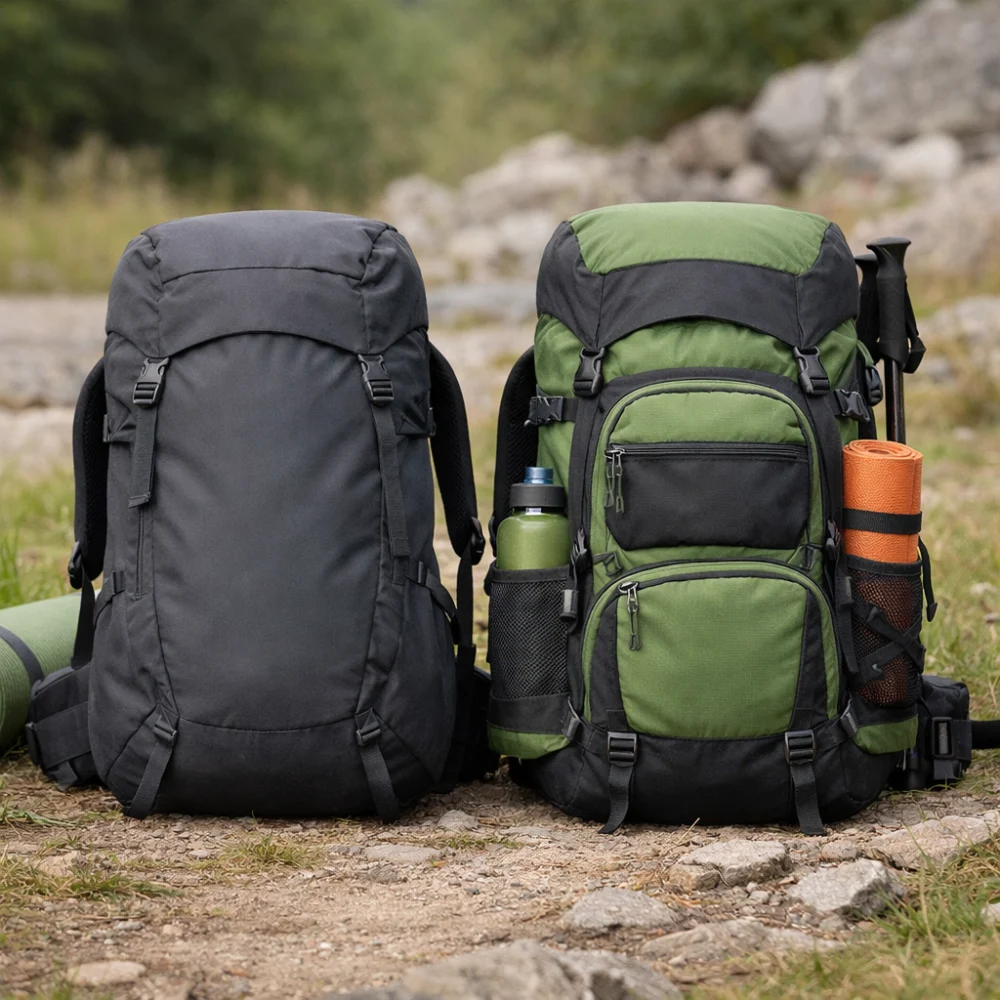
Assuming lighter is always better can also be misleading. A very light pack may be fine for a smaller load, but if the frame or harness is too limited for your use, comfort can suffer.
Overlooking how you pack is another common issue. If you like compartments and quick access, a simple top-loader may frustrate you; if you prefer uncomplicated packing, too many pockets may be unnecessary.
Safety and suitability caveats
Choose a pack that suits your intended activity and the load you expect to carry. A poorly fitted or overloaded pack can feel unstable or uncomfortable, even if it looks suitable on paper. If you are unsure between sizes or support levels, check the product details closely and compare them with your own carrying needs.
Maintenance, storage and lifespan considerations
Backpacking packs usually benefit from simple care: empty them after use, let them dry properly and store them in a clean, dry place. If a pack has removable accessories, pockets or covers, think about whether those parts suit your routine as well. A pack that is easy to clean and pack away may be more convenient over time than one with more complicated features.
How to compare options efficiently
- Start with your likely trip length and how much you normally carry.
- Decide whether comfort, lighter weight or simpler organisation matters most.
- Compare fit-related details such as adjustability and carrying support.
- Check access, pocket layout and any features that affect how you pack.
- Read the individual product page carefully before choosing.
Summary buyer decision checklist
- Does the pack size match the way you usually travel?
- Will the fit and support suit your body and typical load?
- Is the internal layout practical for how you pack?
- Have you balanced weight against comfort and durability?
- Does the pack suit the conditions you expect to use it in?
Frequently asked questions
How do I choose the right size backpacking pack?
Start with the amount of kit you usually carry rather than picking the largest option available. A pack that is too large can encourage overpacking, while one that is too small may force awkward external storage. The right size is the one that matches your typical trip style and keeps the load manageable.
Is a lighter pack always better?
Not necessarily. Lighter packs can be appealing, but support, comfort and durability may matter more if you carry heavier gear or walk for longer periods. The most suitable choice depends on the balance you need between weight and carrying comfort.
What makes one backpacking pack more comfortable than another?
Fit is usually the biggest factor, followed by how well the harness and belt spread the load. A pack that suits your torso and carries weight stably will usually feel better than one with extra features but a poor fit.
Should I choose more pockets or a simpler layout?
That depends on how you like to organise your kit. More pockets can make access easier, but they can also add weight and complexity. A simpler layout may be better if you prefer to keep packing straightforward.
Do I need weather protection built into the pack?
It depends on where and when you expect to use it. Some buyers prefer a pack with added weather protection, while others plan to use separate covers or protective packing inside the bag. Check the product page for the pack’s approach to damp conditions.
What should I check if I am buying a backpacking pack as a gift?
Focus on general fit, typical use and the kind of trips the person takes. If you do not know their preferred carrying style, a broadly useful, adjustable option may be easier to choose than a highly specialised one. Specifications vary by model, so always check the individual product page before buying.
More Backpacking Packs
See all 73 Backpacking Packs →


As an Amazon Associate we earn from qualifying purchases.