

Men’s hiking packs cover a wide range of uses, from light day walks to longer routes where you need to carry more layers, food and water. The right choice is less about a label and more about fit, comfort and how much equipment you usually take.
This guide helps you compare the main options without getting lost in marketing terms. It focuses on the practical details that matter on the hill: how the pack sits, how accessible the storage is and how well it matches your kind of walking.
Because needs vary, it is worth separating the pack’s size and shape from its carrying comfort. A bag that looks suitable on paper may still feel wrong once loaded, so the best purchase is the one that suits your body, route and packing style.
Compare Men's Hiking Packs


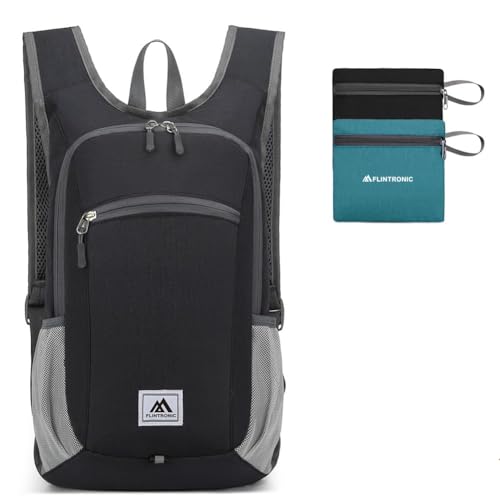


As an Amazon Associate we earn from qualifying purchases.
What should you look for in a men’s hiking pack?
Start with the trip you plan to use it for, then judge comfort, capacity and organisation together. A pack should carry your load securely, sit comfortably for the duration of the walk and give you access to the items you need most often. Specifications vary by model, so always check the individual product page before buying.
| Feature | What it means | Why it matters | What to check |
|---|---|---|---|
| Capacity | How much the pack can hold | Helps match the pack to day walks, longer hikes or heavier kit | Think about the clothing, food, water and extras you normally carry |
| Fit and harness | How the straps and back system sit on your body | Affects comfort, stability and how the load feels over time | Look for an adjustable setup and a shape that suits your torso and shoulder width |
| Weight | How heavy the pack is before you add gear | Influences how tiring the pack feels on longer routes | Balance lighter weight against padding, support and storage features |
| Access and pockets | How you reach the main compartment and smaller items | Makes it easier to find essentials without unpacking everything | Check whether the layout suits your style of packing and stopping |
| Weather resistance | How well the pack copes with damp conditions | Helps protect contents in changeable weather | Check the fabric description and whether additional cover or lining is mentioned |
Which features matter most?
Fit is usually more important than volume
Two packs with similar capacity can feel very different. A better fit usually means the load rides more steadily and feels less awkward when you are climbing, descending or moving over uneven ground. If you can, compare the adjustment range and think about how the pack would sit over the clothing layers you usually wear.
Capacity should match your normal kit, not your hopes
It is easy to choose something larger than you need. Extra space can be useful, but an oversized pack may tempt you to carry more than necessary and can feel bulky on short routes. If you mostly do shorter walks, a simpler pack may be more practical than a bigger one with features you rarely use.
Organisation should suit how you travel
Some walkers prefer a simple layout with one main compartment, while others like external pockets for quick access to snacks, maps or layers. More pockets are not always better; they can help with organisation, but they also add complexity. Think about what you want easy access to during the day.
Product types and variants
Within men’s hiking packs, the main differences are usually about size, support and intended use rather than completely separate product families.
- Smaller day packs suit shorter walks, light loads and people who like a compact feel.
- More supportive hiking packs suit longer routes or heavier carry loads where comfort matters more than minimal weight.
- Streamlined packs suit walkers who want fewer features and a simpler, lighter setup.
The right variant depends on how much you carry and how long you spend with the pack on. A more substantial pack can be more comfortable under load, but it may feel unnecessary for casual use.
How different buyers can compare options
| Buyer need | What to prioritise | Trade-off to accept |
|---|---|---|
| Short local walks | Simple design, compact size, easy access | Less room for bulky spare layers |
| Longer day hikes | Comfort, stability and sensible storage | Slightly more weight in exchange for better support |
| Mixed-weather walking | Weather-conscious materials and room for extra layers | May need a larger pack than you first expected |
| Neat, organised packing | Useful pocket layout and accessible compartments | More features can mean more complexity |

Common mistakes to avoid
- Choosing by litres alone: capacity matters, but so does fit and how the pack carries when full.
- Ignoring torso comfort: if the straps or back panel do not suit you, the pack can feel tiring quite quickly.
- Overbuying features: extra pockets, straps and attachments are only useful if you will actually use them.
- Assuming one size suits every walk: a pack that is fine for a day hike may be less convenient for shorter outings.
Safety and suitability caveats
Choose a pack for the kind of walking you actually do, not the most demanding scenario you might imagine. Make sure it is comfortable when lightly loaded and when carrying the items you normally take, and check any model-specific guidance on use, fit or care. If you expect rough weather, consider how you would protect the contents rather than assuming the pack alone will solve that problem.
Maintenance, storage and lifespan considerations
A hiking pack is usually easier to live with when it is simple to clean, dry and store after use. Think about whether the materials and layout make it practical to shake out debris, air it between trips and keep it out of damp storage. Details such as zips, buckles and straps can also affect long-term convenience, so it is worth checking how robust the everyday touchpoints appear to be.
How to compare options efficiently
- Decide what kind of walking you do most often.
- Choose a capacity that fits that use without unnecessary bulk.
- Compare fit, support and adjustment before comparing extras.
- Look at access and pocket layout against the items you reach for most.
- Check the individual product page for any model-specific details that affect comfort or suitability.
Summary buyer decision checklist
- Does the pack suit your usual walk length and kit load?
- Does the fit and adjustment range look suitable for your build?
- Is the weight reasonable for the comfort and support you want?
- Does the pocket layout match how you pack and access essentials?
- Will it be practical to clean, dry and store after use?
- Have you checked the individual product page for model-specific details?
Frequently asked questions
How do I know what size hiking pack I need?
Think about what you usually carry rather than picking the largest option available. A smaller pack can be enough for short walks, while longer days often call for more room for layers, food and water. The best size is the one that fits your normal load without leaving lots of empty space.
Are more pockets always better?
Not necessarily. Pockets can improve organisation, but too many can make the pack more complex than you need. Simple designs often work well for people who prefer quick, straightforward packing.
What is the biggest difference between a lightweight pack and a more supportive one?
Lightweight packs usually focus on carrying less and feeling less bulky, while more supportive packs aim to distribute weight more comfortably. The better choice depends on whether you value minimal carry or all-day comfort under a heavier load.
Should I choose a men’s pack instead of a unisex one?
That depends on fit, not just the label. Men’s hiking packs may be shaped or adjusted with a different fit assumption, but what matters most is whether the back length, straps and carrying position feel comfortable for you.
What should I check on the product page before buying?
Look for the capacity, fit details, overall weight and storage layout, then consider whether those features match your planned use. If you expect to carry the pack for long periods, comfort and adjustment are especially important. Specifications vary by model, so always check the individual product page before buying.
Can one hiking pack do everything?
Sometimes a versatile pack can cover more than one type of outing, but there is usually a trade-off. A pack that is broad enough for many uses may not be the most convenient choice for the shortest or longest trips. It is usually better to buy for your most common use first.
More Men's Hiking Packs
See all 65 Men's Hiking Packs →


As an Amazon Associate we earn from qualifying purchases.