

Beach mats are a simple way to make a day on the sand more comfortable and organised. They create a cleaner place to sit, lie down, change footwear or keep bags off damp ground.
Because the category is broad, the main decision is not just which design looks right, but which one fits the way you travel, how many people will use it and how much space you have to carry it. Some buyers want the lightest option for easy packing, while others care more about a larger sitting area or a surface that is easier to shake clean.
This guide focuses on the practical differences that matter before you buy, so you can compare beach mats without having to read every product page from scratch.
What should you look for in a beach mat?
The best starting point is how you plan to use it. A solo mat for short visits can prioritise packability and quick drying, while a family mat may need more surface area and better comfort for sitting or lying down. After that, the main trade-off is usually between portability and coverage.
Specifications vary by model, so always check the individual product page before buying.
| Feature | What it means | Why it matters | What to check |
|---|---|---|---|
| Size | The usable area once laid out | Decides how many people can sit or lie on it comfortably | Whether it suits one person, a couple or a family-style setup |
| Packed size | How compact it is when folded or rolled | Affects how easy it is to carry in a bag or with other beach gear | Whether it fits your travel and storage space |
| Weight | How heavy it feels to carry | Important if you walk a long distance from car park to beach | Whether you want the lightest option or a more substantial one |
| Surface feel | How the top layer feels under skin and clothing | Comfort matters if you plan to sit or lie on it for longer periods | Whether it looks smooth, padded or textured |
| Clean-up ease | How easily sand and moisture can be removed | Beach gear often ends up damp or gritty | Whether the material is easy to shake off, wipe down or dry |
| Anchoring or stability | How well it stays in place | Useful in breezier conditions or on uneven sand | Whether the design includes any way to help it stay put |
Key decision criteria explained
Size and coverage
Size is one of the easiest ways to narrow the choice. A smaller mat may suit one person who wants a simple place to sit, but a larger mat can be better for sharing, changing clothes or spreading out towels and bags. The limitation is that larger coverage usually means more bulk when packed away.
Portability
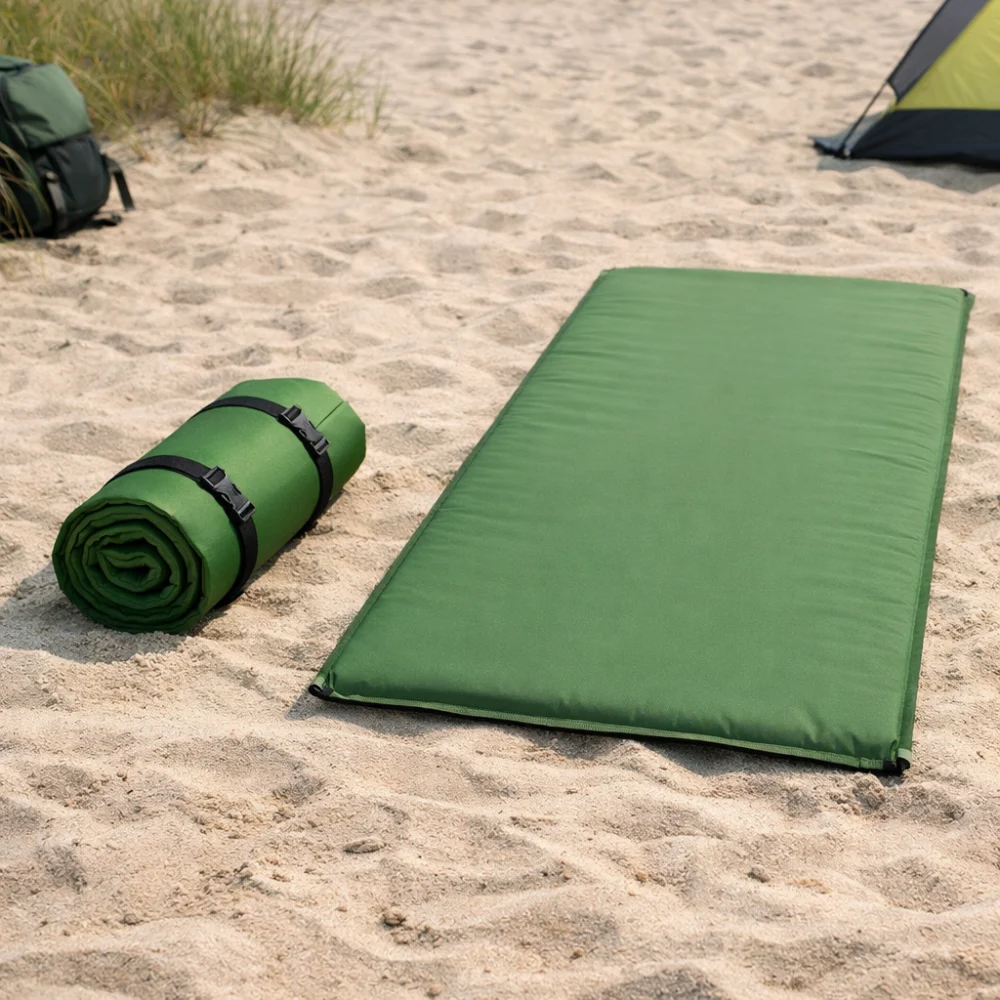
Beach mats are often carried alongside cool bags, toys and other kit, so portability matters more than it might at first seem. Look at whether the mat folds, rolls or packs into a carry shape that suits your routine. If you will walk far with it, small differences in weight and packed size become more noticeable.
Comfort and surface feel
Comfort can be affected by the material, the thickness and how the surface feels against skin or swimwear. A mat that is easy to wipe clean may still feel thin or firm, which is fine for short stops but less comfortable for longer lounging. If comfort is a priority, focus on the description of the surface and any cushioning rather than assuming all mats feel similar.
Ease of cleaning
Beach use brings sand, moisture and sunscreen residue into the picture. A mat that shakes out easily is often more practical than one that traps grit in folds or seams. Consider how quickly it can be dried and stored after use, especially if it will go back into a bag or boot before fully drying.
Ground conditions
Not every beach surface is the same. Some mats work better on firm sand, while others feel more stable on rougher or slightly uneven areas. If you often go to windy beaches, think about how the mat is likely to behave when left unattended for a moment.
Common beach mat types and variants
Beach mats do not vary as dramatically as some other outdoor categories, but there are still useful distinctions. A basic lightweight mat suits minimal packing and short visits. A larger mat is more useful for families or anyone who wants space to stretch out. Some designs focus on easier cleaning, while others place more emphasis on comfort or a softer feel.
The right choice depends on whether your priority is personal seating, lounging, family space or simple backup ground cover. Rather than looking for the most feature-heavy option, think about the few features you will actually notice on the beach.
Which beach mat suits which buyer?
| Buyer need | What to prioritise | Trade-off to accept |
|---|---|---|
| Day trips with minimal kit | Light weight and compact packing | Less coverage or cushioning |
| Family beach visits | Larger surface area and easy clean-up | More bulk to carry |
| Longer stays on the sand | Comfort and a more forgiving surface | Potentially heavier or less compact |
| Frequent travel or public transport use | Simple foldability and easy carry | May sacrifice some size |
| Occasional backup seating | Basic practicality and quick drying | Fewer comfort extras |
Common mistakes to avoid
- Choosing by size alone: A bigger mat is not always better if it is awkward to carry or store.
- Ignoring packability: A mat that looks useful online may be inconvenient once it has to fit with the rest of your beach gear.
- Overlooking cleaning: Sand-friendly designs are usually easier to live with after a full day outdoors.
- Assuming all comfort claims mean the same thing: Surface feel, thickness and layout all affect comfort differently.
- Forgetting the way you travel: What works for a short walk from the car may not suit a long carry or a crowded train.
Safety and suitability considerations
Beach mats are low-risk items, but suitability still matters. Check whether the mat is intended for sitting, lying down or general ground cover, and make sure the size suits the people who will use it. If children will use it, look for a layout that gives them enough space without creating unnecessary clutter around the mat.
It is also sensible to think about where you will place it. Very soft, uneven or wet sand can change how any mat feels in use, and windy conditions may affect lighter designs more than heavier ones.
Maintenance and storage
Most buyers will want a mat that is easy to clean after a beach day and simple to store between trips. Shaking off sand, letting it dry properly and folding or rolling it neatly can help it stay in better condition. If the product description mentions a carry bag, fastening method or drying-friendly material, those details may make everyday use easier.
For occasional use, storage convenience may matter as much as comfort. A mat that stows quickly is often more likely to be taken on the next outing.
How to compare beach mats efficiently
- Decide whether you need a solo mat, shared mat or family-sized option.
- Check how portable it is when folded or rolled.
- Compare the surface feel and whether comfort or easy cleaning matters more to you.
- Think about the beach conditions you usually face, such as sand type and wind.
- Read the individual product page carefully for any model-specific details.
Summary buyer checklist
- Is the size right for one person, two people or the whole family?
- Will it pack away easily with the rest of your beach kit?
- Is the material likely to be comfortable enough for the time you will spend on it?
- Will sand and moisture be easy to deal with after use?
- Does the design suit the way you travel and store outdoor gear?
- Have you checked the individual product page for model-specific details?
Frequently asked questions
Are beach mats and beach blankets the same thing?
They overlap, but not always. A beach mat may be designed with portability, easy cleaning or a more defined sitting area in mind, while a beach blanket often suggests a softer, more textile-like feel. The exact difference depends on the product description, so it is worth checking the individual page.
What size beach mat do I need?
That depends on who will use it and how you like to sit or lie down. A single user may prefer a compact mat, while families or couples usually benefit from more coverage. Think about whether you want a place just for sitting or enough room for bags and changing.
Is a lighter beach mat always better?
Not necessarily. Lightweight mats are easier to carry, but they may offer less coverage or comfort. If you only walk a short distance, a slightly larger option may be more practical overall.
How important is easy cleaning?
Very important for most beach buyers. Sand and dampness are common, so a mat that shakes out or wipes down easily tends to be more convenient after use. This can matter as much as comfort for repeat trips.
Can one beach mat work for both sitting and lying down?
Often yes, if the size is generous enough. The main question is whether the mat gives you enough space for the way you actually relax. If you want to stretch out fully, check the usable area rather than assuming a compact mat will feel roomy.
What should I check before buying online?
Focus on the size, packed form, surface feel and cleaning approach. These are the details most likely to affect day-to-day use. Specifications vary by model, so always check the individual product page before buying.