


Boat bilge pumps are there to move unwanted water out of the bilge area so it does not build up and affect comfort, cleanliness or safety at sea or on inland waters. For most buyers, the main challenge is not finding a pump, but choosing the right type for the boat, the space available and the way the boat is used.
A sensible choice starts with understanding whether you need a manual or electric solution, whether the pump is intended as a primary system or a backup, and how easy it will be to fit and maintain. Specifications vary by model, so always check the individual product page before buying.
Because bilge pumps are part of a wider boating setup, it also helps to think about hose routing, power supply and access for cleaning before you decide.
Compare Boat Bilge Pumps


As an Amazon Associate we earn from qualifying purchases.
What should I look for in a boat bilge pump?
The most useful starting point is to match the pump to the size and layout of the boat, then compare how it is powered, how it is installed and how easy it will be to keep clear of debris. A higher-capacity pump is not automatically the better choice if it is awkward to fit or difficult to inspect. The best option is usually the one that suits your bilge space, your normal operating conditions and your maintenance routine.
| Feature | What It Means | Why It Matters | What To Check |
|---|---|---|---|
| Pump type | Manual or powered pump style | Affects ease of use, installation and reliance on onboard power | Whether it suits your boat and whether you want a primary or backup role |
| Capacity | How much water the pump is intended to move | Helps determine whether it is suitable for the likely amount of water entering the bilge | Model details and whether the stated figures fit your boat size and use |
| Power and wiring | How the pump is supplied and controlled | Important for installation complexity and dependable operation | Electrical requirements, switch arrangement and access for maintenance |
| Hose and outlet setup | How water is carried away from the bilge | Improper routing can reduce performance or make fitting awkward | Connection size, outlet path and whether the route is practical on your boat |
| Maintenance access | How easy it is to inspect, clean or replace parts | Bilge pumps can clog or wear, especially in dirty or cramped spaces | Space around the pump and how easily you can reach it later |
Key decision criteria explained
Manual or electric
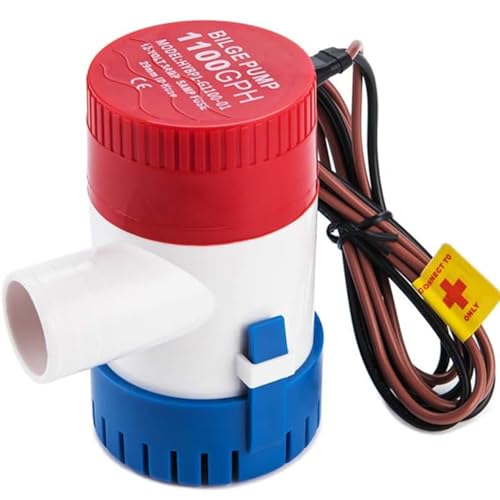
Manual options suit buyers who want a simple, low-dependency backup or a straightforward solution for smaller craft. Electric pumps are often chosen where regular automatic or switch-controlled operation is more convenient. The trade-off is that powered systems usually need more attention to wiring, switching and inspection.
Primary pump or backup pump
Some boats benefit from a bilge pump as part of a broader system rather than as the only line of defence against water build-up. If you are replacing an existing pump, think about whether the new one is meant to do the same job or complement another pump. That decision affects the type, size and installation setup you should prioritise.
Physical fit and access
Bilge spaces are often awkward, so the practical shape and mounting arrangement matter as much as the headline description. A pump that looks suitable on paper may still be a poor fit if it cannot be positioned securely or reached for cleaning. Check the available space, hose route and access for future removal before you buy.
Power, wiring and controls
For electric units, the quality of the installation matters at least as much as the pump itself. Consider how the pump will be switched, whether there is a suitable power source and whether the control arrangement suits the way you use the boat. If the wiring or control setup is unclear, review the individual product information carefully.
Maintenance and debris handling
Bilge water can carry dirt, fibres and small debris, so ease of cleaning is important. A pump that is simple to inspect is often more practical than one that is difficult to reach. Look for a layout that allows routine checks without dismantling other equipment.
Product types and variants
Boat bilge pumps are usually compared by function rather than by many radically different product families. The main distinctions are between manual and electric operation, and between pumps intended for occasional use and those chosen as part of a more regular bilge management setup. In practice, the best variant is the one that suits the boat’s layout and the level of convenience you need.
Some buyers also compare pumps by how they are mounted or connected. That can matter a great deal during installation, but it should be judged alongside access, hose routing and maintenance rather than in isolation.
Which pump suits different buyer needs?
| Buyer need | Likely priority | What this means in practice |
|---|---|---|
| Simple backup for a small boat | Straightforward operation | A basic, easy-to-check setup may matter more than extra complexity |
| Regular powered bilge management | Convenience and dependable installation | Look closely at wiring, switching and access for inspection |
| Replacement for an existing pump | Fit and compatibility | Compare the physical arrangement and hose or outlet setup carefully |
| Buyer with limited access in the bilge | Ease of maintenance | Choose a pump that can be inspected and cleaned without major dismantling |
Common mistakes and misunderstandings
- Focusing only on capacity: A higher-capacity pump is not automatically the better choice if it is hard to install or maintain.
- Ignoring access: A pump that cannot be reached easily may become inconvenient to inspect or clean.
- Overlooking the installation route: Hose and wiring paths can be as important as the pump itself.
- Assuming one pump suits every boat: Hull layout, available space and intended use all affect the right choice.
Safety and suitability caveats
Bilge pumps should be chosen with your boat’s layout and operating conditions in mind, but they should not be treated as a substitute for good maintenance or sensible inspection. Check that the product is suitable for the intended location and use, and confirm any installation requirements before buying. If you are replacing a pump, make sure the new option fits the same practical space and connection requirements rather than assuming a like-for-like swap.
Maintenance, storage and lifespan considerations
Like most marine equipment, a bilge pump benefits from routine checking and cleaning. Debris, corrosion and restricted access can all affect how convenient it is to keep in service. When comparing products, think about whether you will be able to inspect the pump easily and whether any wear items or service parts are likely to be practical to reach.
How to compare options efficiently
- Start with the job the pump needs to do: primary use, backup use or replacement.
- Check whether manual or electric operation suits the boat and your routine.
- Compare size, mounting arrangement and hose or outlet setup against the available space.
- Look at access for cleaning, inspection and future maintenance.
- Review the individual product page for any model-specific details before deciding.
Summary buyer decision checklist
- Does the pump suit the size and layout of your bilge area?
- Is the pump type appropriate for your intended use?
- Can it be installed with practical hose or wiring routes?
- Will you be able to inspect and clean it later?
- Does it fit the role you want it to play in your wider bilge setup?
Frequently asked questions
Do I need a bilge pump on every boat?
Not every boat uses the same setup, but many boats benefit from some form of bilge pumping arrangement. The right choice depends on the boat’s design, how it is used and how water might enter or collect. If you are unsure, compare the available space and the intended role before you buy.
Is a larger pump always better?
Not necessarily. A larger pump may only be useful if the rest of the setup can support it, including space, routing and access. Practical fit and ease of maintenance often matter just as much as headline capacity.
What is the difference between a primary and backup pump?
A primary pump is the main option you expect to use in normal conditions, while a backup pump provides additional reassurance if the first pump is unavailable or overloaded. Buyers sometimes choose a simpler secondary pump for redundancy. The right balance depends on the boat and the level of reassurance you want.
How important is access for cleaning?
Very important. Bilge areas can collect debris, and a pump that is hard to reach is more difficult to inspect and maintain. If access is limited, prioritise a layout that stays serviceable over time.
Can I replace an old pump with any new one?
Not always. A replacement needs to fit the available space and work with the existing setup, including hose or power arrangements where relevant. Check the individual product information carefully before assuming a direct swap.
Should I choose manual or electric?
Choose manual if you want simplicity and minimal dependence on electrical systems, and choose electric if convenience and regular operation matter more. The better option depends on how the boat is used and how much installation complexity you are comfortable with.
What should I check before ordering?
Confirm the intended use, the available space, the route for hose or wiring, and the access you will have for cleaning. It is also worth checking the model-specific details on the product page so you know exactly what you are comparing.
Automatic control and capacity ratings
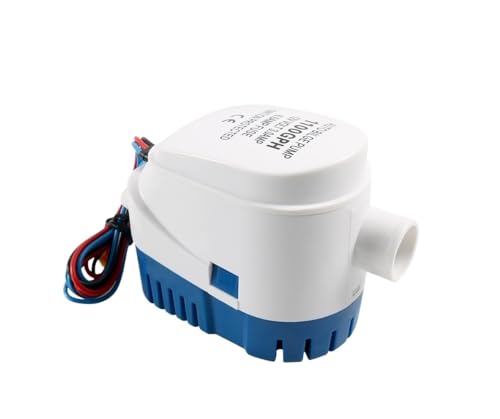
An electric pump may be manually switched or arranged to start automatically, depending on its control setup. Automatic operation can be convenient when the boat is unattended, but check how activation is handled and whether the necessary switch or control equipment is included or needs to be selected separately.
Published capacity figures are a comparison point, not a guarantee of the amount of water a pump will move in your installation. Lift height and the hose route can affect practical flow, so compare the product information with your boat’s intended setup rather than choosing by the largest headline figure alone.
More Boat Bilge Pumps
See all 110 Boat Bilge Pumps →



As an Amazon Associate we earn from qualifying purchases.