

Quick Summary
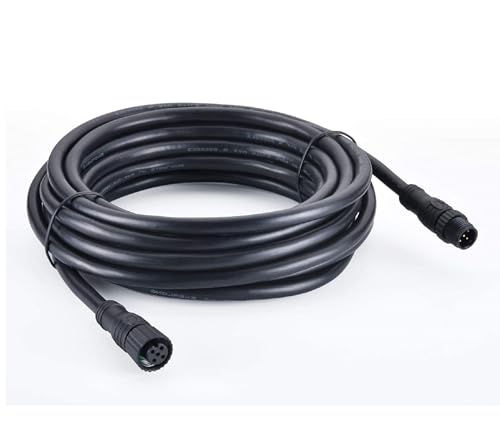
The Regatta Processing NMEA 2000 4 metre cable is a backbone, drop or extension cable for NMEA 2000 networks. It is described as suitable for connecting sensors or displays to an N2K network, or for extending the backbone cable.
The cable is stated as NMEA 2000 certified and uses shielded black cable with gold-plated contacts. Its IP67 rating is also stated, so buyers should compare that protection level with the conditions where the cable will be used.
Key Details
| Detail | Verified information and buyer relevance |
|---|---|
| Product type | Backbone, drop or extension cable for NMEA 2000 networks. |
| Length | 4 metre cable. Check this against the run you need to cover. |
| Network use | Used for connecting sensors or displays to an NMEA 2000 network, or extending the backbone cable. |
| Certification | NMEA 2000 certified. |
| Protection rating | IP67. Compare this with the environment where the cable will be fitted or exposed. |
| Cable construction | Shielded black cable with 22AWG/2C and 24AWG/2C conductors. |
| Connector contacts | Gold-plated contacts for corrosion resistance. |
What to Compare Before Buying
- Length: This cable is 4 metres long. Check whether that matches the distance between the components or the backbone section you need to extend.
- Network connection: It is for NMEA 2000 use. Confirm that your network uses the same standard and connector style.
- Protection level: The stated IP67 rating is relevant if the cable will be exposed to moisture or harsher conditions.
- Connector finish: The contacts are gold-plated, which is a useful detail to note if corrosion resistance matters in your setup.
Compatibility, Size and Fit
This cable is intended for NMEA 2000 networks, including connecting sensors or displays and extending the backbone. It is also described as compatible with Lowrance, Simrad, B&G, Navico and Garmin networks. Check the exact connector arrangement needed for your system before choosing an offer.
Before You Decide
Confirm the 4 metre length suits your installation and that your equipment uses NMEA 2000 connections. If you are matching it to an existing network, check the connector type and the exact devices you plan to link before you buy.
Choosing Its Place in the Network
A backbone cable forms part of the network’s main run, while a drop cable connects equipment to that run. Before choosing how to use this cable, consider its position in your network layout as well as the distance it needs to cover. If extending an existing network, check that the intended connection point and connector arrangement match your setup.