


Tent floor mats are a simple comfort upgrade for campers who want a more settled surface inside the tent entrance or living area. They can help reduce cold underfoot, add a bit of cushioning and make a tent feel tidier and easier to live in.
Because use cases vary so much, the right choice is less about a single “best” option and more about fit, coverage and how you camp. A lightweight weekend setup, a family tent and a base camp pitch may all call for different priorities.
When comparing tent floor mats, focus first on size, material and how easy the mat is to pack away. After that, think about how much comfort you want versus how much bulk you are willing to carry.
Compare Tent Floor Mats


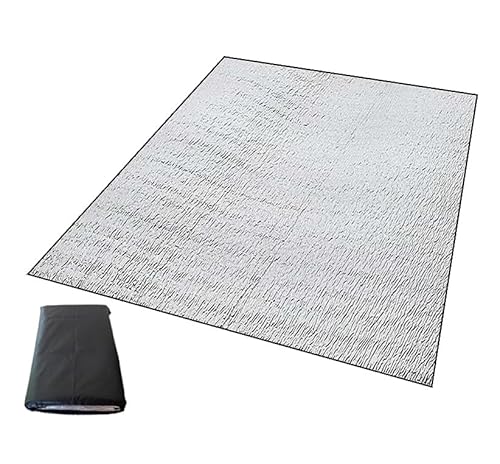


As an Amazon Associate we earn from qualifying purchases.
What should you look for in a tent floor mat?
The best starting point is whether the mat suits the tent space you want to cover and the way you travel. Some buyers mainly want a neat, comfortable ground layer at the doorway, while others want broader coverage for a porch or inner living area. Specifications vary by model, so always check the individual product page before buying.
The main trade-off is usually comfort versus convenience. Thicker or more substantial mats can feel nicer underfoot, but they may also be bulkier to carry, slower to dry or less flexible to stow than simpler alternatives.
| Feature | What it means | Why it matters | What to check |
|---|---|---|---|
| Size and shape | How much tent floor the mat covers and whether it suits a doorway, porch or larger area | Poor sizing can leave awkward gaps or make the mat hard to position neatly | Match the mat to the tent space you actually want to use |
| Material | The surface and backing used for comfort and practical use | Material affects feel, durability, cleaning and how well the mat suits damp ground | Look for a material description that suits the conditions you camp in |
| Thickness and cushioning | How soft or padded the mat feels underfoot | More cushioning can improve comfort but may add bulk | Decide whether comfort or compact packing matters more |
| Packability | How easily the mat folds, rolls or stores away | A mat that is awkward to pack can be inconvenient on short trips | Check how it stores and whether it fits your vehicle or kit space |
| Cleaning and drying | How straightforward it is to shake out, wipe down or air off | Camp mats often deal with mud, grass and general mess | Favour easy-care finishes if you camp often or in mixed weather |
Key decision criteria explained
Size and coverage
Think about where the mat will actually be used. A small mat can work well at an entrance or in a narrow porch, while a larger mat may make sense if you want a more comfortable area for shoes, sitting or organising kit.
The main mistake is buying for the tent category rather than the real layout. A family tent, for example, may have enough room for a broader mat, but a compact tent usually benefits from something that is easy to move and store.
Material and feel
Materials affect comfort, durability and maintenance. Some buyers will prefer a softer feel underfoot, while others will prioritise something simple to clean after a muddy trip.
It helps to think about how often the mat will be used outside versus inside the tent. If it will be exposed to wet footwear or damp ground, easy cleaning and sensible drying behaviour matter more than appearance.
Pack size and weight
If you travel by car and have room for kit, a more substantial mat may be easy to live with. If you are short on space or want a quick camp setup, compact storage can matter more than extra cushioning.
For this category, weight is usually less about performance and more about convenience. The point is to avoid a mat that becomes annoying to carry, fold or squeeze into the rest of your camping gear.
Maintenance and drying
Camp mats pick up dirt, grass and moisture, so it is worth checking how they are meant to be cleaned and dried. A mat that can be shaken out or wiped down quickly is often easier to manage between trips.
If you camp in changeable weather, choose with drying time in mind. A mat that stays damp for too long can be inconvenient when packing away with the rest of your tent equipment.
Common tent floor mat types and variants
There may not be a huge amount of variation in this category, but the following broad approaches are worth comparing.
- Simple ground mats: Usually chosen for basic coverage, easier handling and minimal fuss. They suit buyers who want practical floor protection without much bulk.
- Cushioned comfort mats: Better for campers who want a softer surface in the tent living area. The main limitation is that they may take up more space when packed.
- Entrance or doorway mats: Useful for keeping the main walking area tidier and making shoe changes more comfortable. They may not suit people who want full-floor coverage.
Which mat suits which kind of camper?
| Buyer need | Likely priority | What that means in practice |
|---|---|---|
| Weekend camping | Easy packing and straightforward use | A lighter, simpler mat may be easier to live with than a bulky comfort-first option |
| Family camping | Coverage and tidiness | A larger mat can make the tent feel more organised and comfortable for shared use |
| Car camping with more space | Comfort and lounge feel | Heavier or more cushioned mats may be acceptable if storage space is less of a concern |
| Frequent use in wet or muddy conditions | Easy cleaning | Simple care and quick drying become more important than extra padding |
| Minimal kit setups | Compact storage | A foldable or rollable mat may be the better fit if every bag space counts |
Common mistakes to avoid
- Choosing by tent size alone: The useful question is where the mat will sit and how you want to use that area.
- Ignoring pack size: A comfortable mat is less useful if it is awkward to carry or store with the rest of your camping gear.
- Overlooking cleaning: Mud, moisture and grass are part of normal camping, so easy care can matter more than expected.
- Assuming more cushioning is always better: Extra softness can be welcome, but it may add bulk without being necessary for short trips.
Safety and suitability checks
Check that the mat is appropriate for the space and conditions you expect to use it in. Some mats are mainly about comfort inside the tent, while others are better suited to a sheltered entrance or living area.
It is also sensible to check whether the mat is intended for indoor tent use, outdoor use or both, and whether it needs any special care after damp or muddy trips. If a product page gives specific guidance on use or cleaning, follow that rather than guessing from appearance alone.
Maintenance, storage and lifespan
A tent floor mat usually lasts best when it is shaken out, cleaned gently and stored dry. Folding or rolling it neatly can help avoid unnecessary wear, especially if it travels with heavier camping equipment.
If a mat is likely to be used often, look for practical details that make routine care easier. A design that dries reasonably quickly and stores without fuss is often the simplest choice for regular campers.
How to compare options efficiently
- Decide where the mat will be used: doorway, porch or larger tent area.
- Choose the level of comfort you actually need rather than the thickest option available.
- Check size, packability and cleaning details on the individual product page.
- Compare how much storage space you are willing to give the mat.
- Choose the option that fits your camping style, not just the general label.
Summary buyer decision checklist
- Is the mat the right size for the space you want to cover?
- Does the material suit how often you camp and the conditions you expect?
- Will the packed size fit neatly with the rest of your kit?
- Is the level of cushioning worth the extra bulk for your needs?
- Will it be easy enough to clean and dry after use?
- Does it suit the way you actually use your tent?
Frequently asked questions
Do I need a tent floor mat if my tent already has a sewn-in groundsheet?
Not necessarily, but many campers like the extra comfort and tidier feel a mat can provide. It is a preference decision rather than a requirement. If you mainly want more warmth or softness underfoot, a mat can be a useful addition.
Is a thicker tent floor mat always better?
No. Thicker mats can feel nicer, but they may be bulkier and less convenient to pack. The better choice depends on whether you value comfort, compact storage or easy handling more.
Should I choose a mat that covers the whole tent?
Only if that suits the space and the way you use the tent. Some buyers only need a mat at the doorway or in a living area, while others want broader coverage for a more comfortable setup. Think about actual use rather than maximum coverage alone.
How important is cleaning ease?
Very important for many campers, especially if you often deal with mud, grass or damp conditions. A mat that is easy to shake out or wipe down is generally simpler to live with over time. That can matter more than a small difference in comfort.
Can a tent floor mat help with cold ground?
It can add a bit of separation from the floor and improve comfort, but it should be treated as a comfort item rather than a guaranteed thermal solution. The effect will depend on the mat’s material, thickness and the rest of your camping setup.
What matters more: material or size?
Both matter, but size is often the first practical check because a mat that does not fit the space well can be awkward from the start. After that, material helps determine comfort, cleaning and how suitable the mat is for your camping conditions.
How do I know if a mat will be easy to store?
Check whether the product information mentions how it folds, rolls or packs away, and look at the overall bulk in relation to your available storage space. If you have a small car or limited kit space, this can be a deciding factor.
Floor mat, groundsheet or sleeping mat?
These terms can describe different jobs. A tent floor mat is generally chosen to make a living or entrance area more comfortable; a groundsheet or footprint is intended as a layer beneath or around a tent, while a sleeping mat is for an individual sleeper. They are not automatically interchangeable, so check the product’s stated purpose and where it is intended to be used.
Before choosing a mat for inside, beneath or outside the tent, check the tent maker’s guidance as well as the mat details. Consider how the mat will fit the floor area and whether you can lift it to dry after use; a mat left damp against tent fabric or a groundsheet may be harder to dry out.
More Tent Floor Mats
See all 109 Tent Floor Mats →


As an Amazon Associate we earn from qualifying purchases.