

Portable camp stools are among the simplest pieces of outdoor seating to compare, but the details still matter. A stool that folds down neatly, suits your usual carrying method and feels stable in use can make short stops and longer sessions much more comfortable.
This guide helps you work out which features are worth paying attention to and which are easy to overthink. It is aimed at buyers looking for compact seating for camping and other outdoor activities, rather than larger benches or more elaborate camp furniture.
If you are deciding between different portable stools, the main question is not just how small they pack away, but how you will actually carry, set up and sit on them. A good choice balances comfort, portability and stability for the sort of outing you have in mind.
Compare Portable Camp Stools
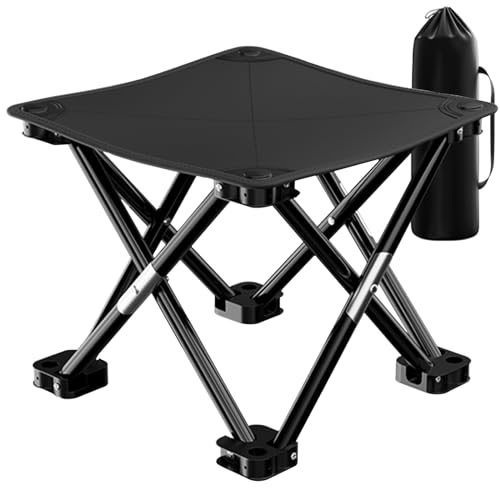
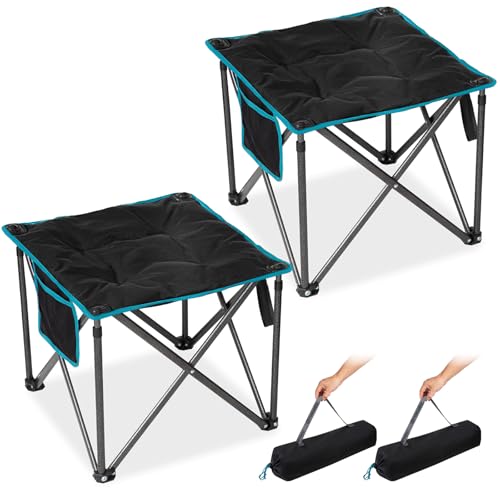


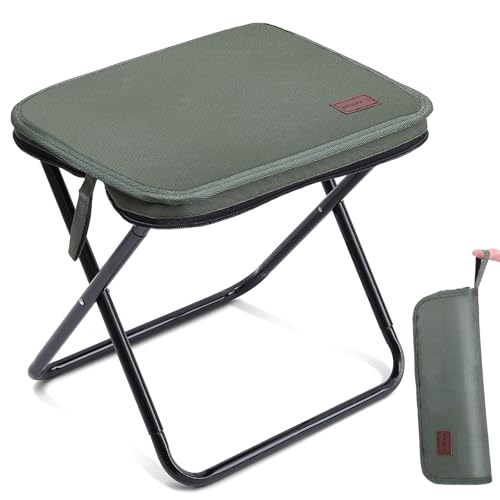

As an Amazon Associate we earn from qualifying purchases.
What should you look for in a portable camp stool?
The best starting point is to match the stool to your expected use. If you want something for quick rests and easy carrying, compactness may matter most. If you expect to sit for longer periods, comfort and steadiness become more important, even if that means a slightly bulkier stool.
Specifications vary by model, so always check the individual product page before buying.
| Feature | What it means | Why it matters | What to check |
|---|---|---|---|
| Pack size | How small the stool folds or collapses for transport | Affects whether it fits in a rucksack, boot or carry bag | Folded shape, storage method and whether it suits your kit layout |
| Weight | How much the stool weighs to carry | Important if you will walk some distance with it | Whether the weight feels practical for your usual journey |
| Seat height | How high you sit above the ground | Affects comfort, ease of standing up and suitability for different users | Whether the height suits your build and the surface you plan to use it on |
| Stability | How secure the stool feels when seated | Helps it feel comfortable on uneven ground or softer surfaces | Leg design, footprint and how confident it seems on the kind of ground you expect |
| Seat style | The shape and material of the sitting area | Influences comfort, support and how long you may want to sit on it | Whether the seat looks suitable for short breaks or longer use |
| Carrying method | How you move the stool between locations | Convenience matters if you will use it regularly | Handle, carry bag, strap or the ease of holding it with other kit |
Key decision criteria explained
Portability and packed form
Portability is usually the headline reason to choose a camp stool, but it has more than one meaning. A stool might be light enough, yet awkward to carry if its folded shape clashes with the rest of your gear. Consider how it will travel alongside a tent, cool box, fishing kit or day bag.
Comfort versus compactness
Smaller stools are often chosen for convenience, but less size can mean less comfort. If you only need somewhere to pause briefly, that trade-off may be fine. If you plan to sit and eat, wait for events or spend time around a campsite, a slightly larger or more supportive design may be worth it.
Stability on the ground
Outdoor surfaces are rarely perfectly level. A stool that feels fine on hard ground may feel less secure on grass, mud or gravel. Look at the overall footprint and whether the stool appears better suited to firm pitches, mixed terrain or occasional use on softer ground.
Ease of carrying and setting up
Some buyers want a stool they can open quickly without thinking about it. Others care more about how neatly it stows away. Decide which matters more for your routine, because the most portable option is not always the most convenient in actual use.
Types and variants within portable camp stools
Portable camp stools are usually chosen for one of a few broad reasons: maximum portability, a little more comfort, or simple grab-and-go convenience. The important difference is not always the exact format, but how much of your priority list the stool can satisfy at once.
- Ultra-compact stools suit buyers who want easy carrying and minimal bulk.
- More substantial portable stools may be better if comfort and a steadier feel matter more than the smallest packed size.
- Simple folding styles appeal to buyers who want straightforward use without extra fuss.
There is no single type that suits everyone. A compact stool can be ideal for one-day outings, while a slightly bigger option may feel more sensible for repeat use or longer sessions.
Which type suits different buyers?
| Buyer need | What to prioritise | Why |
|---|---|---|
| Backpacking or long walks | Low weight and a compact fold | Carrying comfort matters more when you move often |
| Camping and campsite use | Balance of stability, comfort and packed size | You may carry it less often, so sitting comfort can matter more |
| Fishing or waiting outdoors | Stable seating and sensible seat height | Comfort over longer periods is usually more important than tiny packed size |
| Festival or event use | Easy carry, quick setup and simple storage | Convenience and portability help when you are moving around a lot |
| Occasional spare seating | Compact storage and straightforward handling | You may value convenience more than specialist comfort features |
Common mistakes to avoid
- Focusing only on packed size. A stool that folds very small may not be the most comfortable or stable choice for longer use.
- Ignoring how you will carry it. A light stool can still be awkward if it does not fit well with the rest of your gear.
- Assuming all outdoor ground is the same. The surface you use it on can affect how secure it feels in practice.
- Choosing without thinking about session length. Short stops and longer sits benefit from different balances of size and support.
Safety and suitability checks
Portable camp stools are straightforward products, but it still helps to check whether the stool suits the intended user and setting. Think about the ground conditions, how often it will be moved, and whether the overall design looks appropriate for the type of outdoor activity you have planned.
For any model, review the individual product information carefully for suitability notes and any limitations. Do not assume that a compact stool will suit every surface or every user equally well.
Care, storage and everyday ownership
Most portable camp stools benefit from simple care rather than complicated maintenance. Keeping the stool clean after muddy or sandy use, drying it before storage and storing it in a way that avoids unnecessary strain can all help it stay more pleasant to use.
If the stool comes with a carry bag or similar storage method, that can also affect how easy it is to keep with the rest of your outdoor kit. A practical storage habit often matters more than any single feature once the stool becomes part of your regular gear.
How to compare portable camp stools efficiently
- Start with your main use: campsite seating, short breaks, events or carrying on longer walks.
- Decide whether portability or comfort matters more for that use.
- Compare pack size, weight, seat height and stability side by side.
- Check how the stool is carried and stored with the rest of your kit.
- Read the individual product page closely before deciding.
Portable camp stool buying checklist
- Will it be carried far, or mainly used close to camp or the car?
- Is the packed size practical for your bag, boot or storage space?
- Does the seat height suit the intended user?
- Does the design look stable enough for the ground you expect to use?
- Is comfort sufficient for how long you usually sit?
- Does the carrying method fit your wider kit and routine?
Frequently asked questions
Are portable camp stools only for camping?
No. They are also useful for fishing, festivals, outdoor events, picnics and any situation where quick, compact seating is helpful. The main decision is whether the stool suits the setting and how much you want to carry.
Is a lighter stool always better?
Not necessarily. Lower weight helps if you carry the stool often, but comfort and stability may matter more if you sit for longer periods. It is usually better to balance weight against how you actually plan to use it.
What matters more, seat height or packed size?
Both matter, but for different reasons. Packed size affects transport and storage, while seat height affects how comfortable the stool feels to sit on and get up from. If you are unsure, start by prioritising the one that affects your day-to-day use most.
Can a portable camp stool be used on uneven ground?
Some can cope better than others, but uneven ground always adds uncertainty. Look at the overall base and think about the surfaces you usually encounter. If your planned use involves softer or sloping ground, stability should be a high priority.
How do I choose between comfort and convenience?
Choose convenience if you only need occasional quick seating and will carry the stool frequently. Choose comfort if you expect to sit for longer stretches. The right balance depends on whether the stool is mainly a carry item or a sitting item.
Do all portable camp stools store the same way?
No, storage and folding methods can differ. Some are aimed at very compact transport, while others are easier to handle but slightly bulkier. Check the product page to see how the stool folds, carries and stores in practice.
More Portable Camp Stools
See all 78 Portable Camp Stools →
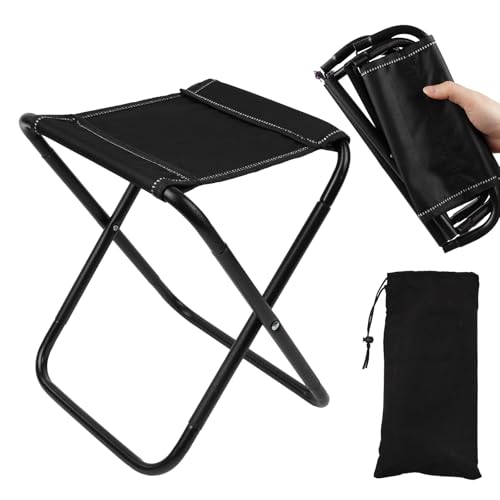


As an Amazon Associate we earn from qualifying purchases.