

Tent anchors help secure a shelter when standard pegging alone is not enough, or when the ground makes holding power harder to judge. They are a small part of a tent setup, but they can make a noticeable difference to stability and confidence once conditions change.
If you are choosing anchors for camping, festivals or shelter use, the main question is not just how strong they look. It is whether they suit the ground, the tension in the shelter and how much effort you want to spend getting them in and out again.
Because the category can cover different anchoring approaches, it helps to compare hold, ground compatibility and ease of removal before looking at finer details. Specifications vary by model, so always check the individual product page before buying.
Compare Tent Anchors




As an Amazon Associate we earn from qualifying purchases.
What should you look for in tent anchors?
The best starting point is the ground you are likely to use them in. Soft soil, firm turf, sand and mixed pitches all place different demands on an anchor, so the same design will not suit every site. After that, think about how much load the shelter puts on the anchor and how quickly you need to pitch or pack away.
For many buyers, the real trade-off is between holding power and convenience. A design that bites more firmly may take more effort to fit or remove, while a lighter option may be easier to carry and handle but less reassuring in poor ground.
| Feature | What it means | Why it matters | What to check |
|---|---|---|---|
| Ground grip | How well the anchor holds in the surface you are using | Better grip helps reduce movement when wind or tension increases | Look for guidance on suitable ground conditions |
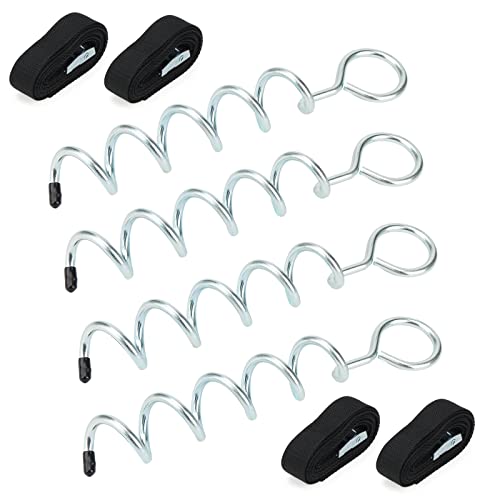
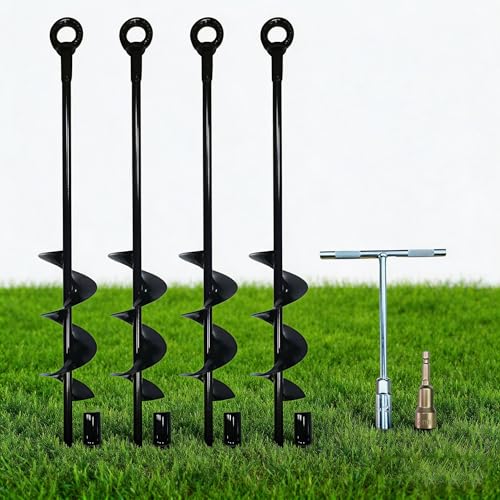
| Shape and profile | The way the anchor is formed and how it sits in the ground | Different shapes can suit different soils and removal preferences | Check whether the design is intended for firm, soft or mixed ground |
| Ease of use | How straightforward it is to insert, tension and remove | Useful if you pitch often or move campsite regularly | Consider any handling notes and whether tools are needed |
| Packability | How much space the anchors take up in your kit | Important when storage space and carry weight matter | Review size, quantity and how they fit with the rest of your shelter kit |
| Durability | How well the anchor is likely to stand up to repeated use | Worth considering for regular campers or longer trips | Check material details and any care guidance on the product page |
Key decision criteria
1. Match the anchor to the ground
Ground type is the most important filter because it affects how securely an anchor can do its job. Some designs are better for softer ground, while others are meant to cope more reliably with harder or less forgiving surfaces. If you camp in mixed conditions, it is sensible to prioritise flexibility rather than a single specialised approach.
2. Think about the shelter load
A small inner tent and a larger shelter do not place the same demands on the anchor points. Larger or more exposed shelters can create more pull, especially when the weather changes or when occupants move around inside. Check whether the anchor is intended for light holding or for situations where a firmer response is useful.
3. Balance strength against portability
Camping kits often need to be carried, sorted and packed away quickly, so bulk and handling matter as much as strength. A more substantial anchor may be reassuring, but it may also take more space in a pack and more effort to remove after use. If you travel light, this trade-off deserves attention.
4. Consider visibility and handling
Even without assuming a particular design, it is sensible to think about how easy an anchor is to spot, grip and reposition. This can matter on busy campsites or in low light, where awkward handling can slow everything down. Clear handling is especially helpful if several people share pitching duties.
Types and variants you may come across
In this category, the main differences are usually about how an anchor gains hold rather than about a long list of features. That means your choice is less about style and more about the conditions you expect to face.
- Ground-focused anchors: Suited to sites where bite and holding power are the main concern.
- More portable anchors: Better when low bulk and easy packing matter more than maximum hold.
- General-purpose anchors: A practical compromise for buyers who face varied ground conditions and want a balanced option.
If you only camp occasionally, a general-purpose choice may be easier to live with. If you regularly use one type of pitch, it can be worth choosing something that better matches that setting.
Which anchor suits which buyer?
| Buyer need | What to prioritise | Why |
|---|---|---|
| Weekend camping | Simple handling and compact storage | Easy setup and pack-down matter more than specialist performance |
| Frequent pitching | Ease of insertion and removal | Comfort and speed become more important over repeated use |
| Mixed ground conditions | Balanced hold and versatility | A flexible option reduces the chance of mismatch |
| More exposed pitches | Stronger ground grip | Greater hold can help reduce movement when conditions are less settled |
Common mistakes and misunderstandings
- Choosing by appearance alone: a robust-looking anchor is not automatically the right one for your ground.
- Ignoring removal ease: something that goes in securely should still be practical to take out again.
- Buying for the wrong shelter: a heavier shelter may need more confidence in the anchoring choice than a small one.
- Overlooking storage needs: if the rest of your kit is compact, bulkier anchors can be inconvenient.
Safety and suitability caveats
Tent anchors are only one part of a stable shelter setup, and suitability depends on how and where they are used. Check that the chosen anchor is appropriate for your ground conditions and shelter type, and do not assume that one design will perform equally well everywhere. For unusual ground, exposed locations or very large shelters, it is sensible to be conservative about your choice.
Maintenance, storage and lifespan
Most buyers should think about keeping anchors clean, dry and easy to find between trips. Dirt, moisture and rough handling can all make them less pleasant to use and may shorten their useful life, depending on the material and finish. A simple storage pouch or dedicated section in your kit can help prevent loss and reduce damage in transit.
How to compare options efficiently
- Start with the ground you use most often.
- Think about the shelter size and how much load the anchor may need to handle.
- Compare hold, ease of use and packability side by side.
- Check whether the design suits your level of camping frequency.
- Read the individual product page carefully for any model-specific details.
Summary buyer decision checklist
- Have you matched the anchor to the likely ground conditions?
- Will it suit the size and tension of your shelter?
- Is it easy enough to insert and remove for your needs?
- Does it pack down neatly with the rest of your kit?
- Have you checked the individual product page for model-specific details?
Frequently asked questions
Do I need tent anchors if I already have pegs?
Not always, but anchors can be useful where standard pegs are not giving you enough confidence or where the ground makes securing a shelter more demanding. The decision depends on the shelter, the site and how much hold you want. If your usual setup is already stable, a separate anchor may be unnecessary.
Are tent anchors suitable for all ground types?
No single design is ideal everywhere. Some anchors are better suited to softer ground, while others are chosen for firmer or more awkward conditions. Always check the product information for the intended ground use rather than assuming it will work in every setting.
What matters more: strength or ease of use?
That depends on how you camp. If you pitch often or need a quick setup, ease of use can be a major advantage; if you expect more challenging conditions, stronger hold may matter more. Many buyers end up choosing a sensible compromise between the two.
Should I buy anchors for every tent I own?
Usually not by default. It makes more sense to decide based on the shelter you use most and the places you camp in most often. If your needs vary a lot, a more flexible approach is usually safer than buying purely on quantity.
How do I know if an anchor is too bulky for my kit?
Compare the anchor’s size and storage implications with the rest of your camping equipment. If you already travel light, even a small increase in bulk can be noticeable. Consider whether the practical gain in hold justifies the extra space it takes.
More Tent Anchors
See all 83 Tent Anchors →



As an Amazon Associate we earn from qualifying purchases.