


Tent footprints are simple but useful ground sheets designed to sit under a tent. They can help protect the tent floor from abrasion, damp ground and dirt, while also making it easier to pack away a cleaner shelter.
For many buyers, the main decision is not whether to add one, but which footprint is a sensible match for the tent and the conditions. The right choice depends on fit, coverage, intended use and how much extra bulk you are happy to carry.
If you are comparing footprints for the first time, it helps to think about them as a practical layer rather than a universal upgrade. A well-matched footprint should support the tent you already have without creating awkward overhang or unnecessary weight.
Compare Tent Footprints


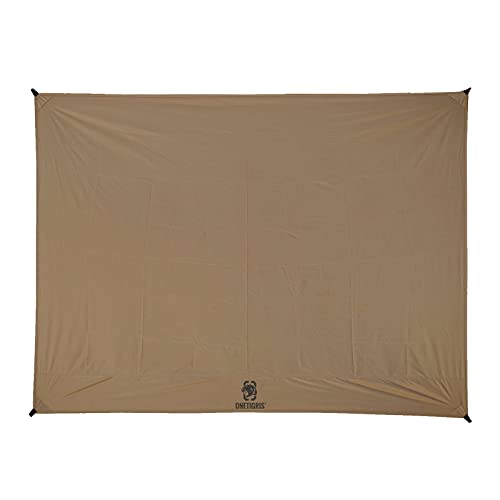
As an Amazon Associate we earn from qualifying purchases.
What should you look for first?
The best starting point is a footprint that suits the tent size and shape closely enough for practical use. After that, compare how much floor protection you want, how much extra weight you are willing to carry and whether the footprint is intended for occasional trips or regular use.
Specifications vary by model, so always check the individual product page before buying.
| Feature | What it means | Why it matters | What to check |
|---|---|---|---|
| Size and shape | How closely the footprint matches the tent base | Fit affects how well the footprint protects the ground area and whether it is easy to position | Compare dimensions and whether the shape suits the tent layout |
| Coverage | How much of the tent floor or porch area is covered | More coverage can improve protection, but too much can be awkward if it extends beyond the tent | Check the intended coverage area and how it lines up with your tent |
| Material | The fabric or sheet used to make the footprint | Material influences durability, packability and how much reassurance you want on rough ground | Look for general material details and note any care or storage advice |
| Weight and pack size | How much space it takes in your camping kit | Important for walkers and anyone trying to keep luggage compact | Check whether the footprint suits backpacking, car camping or occasional use |
| Intended use | Whether it is meant for a specific tent, a range of tents or general ground protection | The wrong type may be less convenient or less effective in daily use | Confirm compatibility notes and the type of camping you plan to do |
Key decision criteria
Fit and shape
A footprint works best when it supports the tent without sticking out too far. A close match is usually easier to position and more likely to feel purposeful, while a generic sheet may be simpler if you want flexible use across different shelters. The trade-off is that a tailored fit can be more convenient, but less versatile.
Protection level
Some buyers mainly want a barrier between the tent floor and abrasive or damp ground. Others want a footprint that helps keep the tent base cleaner during packing and drying. Think about the terrain you usually camp on, because rough or wet ground makes the protection question more important than a fair-weather campsite.
Weight and portability
If you carry your gear by hand, every extra layer matters. A lighter footprint may be easier to live with on longer walks, but a more substantial one can feel reassuring if you camp often or set up on harder ground. Try to balance convenience against the amount of protection you expect to need.
Ease of use
Some footprints are straightforward add-ons, while others are better suited to a particular tent setup. Ease of use matters when you want a quick pitch or when you are camping with family and do not want extra fuss at the end of the day. Check whether the footprint is meant to stay neatly aligned or whether it needs careful positioning.
Product types and variants
Within this category, the most useful distinction is usually between footprints made for a specific tent and more general ground sheets. A tent-specific footprint may be easier to match to the tent base, while a general option can be useful if you want more flexibility. The limitation of a general sheet is that it may not align as neatly with every shelter shape.
There can also be a practical difference between footprints intended mainly for floor protection and those that are chosen with extra convenience in mind, such as keeping the tent base cleaner on unpacking. The right choice depends on whether you want a close-fitting accessory or a simpler spare layer for varied use.
Who should choose which type?
| Buyer need | What matters most | Likely direction |
|---|---|---|
| Weekend camper | Simple protection and easy packing | Look for a footprint that is easy to fit and store |
| Family camper | Cleanliness, convenience and repeated use | Prioritise a practical match to the tent and enough coverage for your setup |
| Walker or backpacker | Weight and pack size | Choose with portability in mind and avoid unnecessary bulk |
| Occasional camper | Basic ground protection without overcomplicating the kit | Focus on straightforward compatibility and reasonable durability |
| Buyer with rough campsite conditions | Floor protection and confidence on uneven ground | Compare how much coverage and reassurance the footprint is intended to provide |
Common mistakes and misunderstandings
- Assuming any sheet will fit every tent. Shape and coverage matter, so check the dimensions and intended use rather than choosing only by size in general terms.
- Choosing extra-large coverage without thinking it through. More coverage is not always better if it extends awkwardly beyond the tent base.
- Ignoring carrying weight and pack size. This is easy to overlook until you add the footprint to the rest of your camping gear.
- Buying for rough ground without checking the product details. If you expect frequent use on abrasive surfaces, make sure the product description supports that kind of use.
Safety and suitability caveats
A footprint can support a tent setup, but it does not replace careful pitching or make unsuitable ground conditions disappear. Check the footprint’s intended use, the tent’s floor shape and any guidance on positioning before buying. If you camp in changing weather or on uneven ground, it is sensible to judge the footprint as one part of the setup rather than a guarantee of comfort or protection.
Maintenance, storage and lifespan
Footprints are usually easiest to manage when they are cleaned and dried before storage. That helps reduce dirt transfer to the rest of your kit and may make the footprint easier to use next time. As with other camping accessories, lifespan depends on use, ground conditions and storage habits, so it is worth checking the care advice for the specific product.
How to compare options efficiently
- Start with the tent you want to support and note its shape and approximate base area.
- Decide whether you want a close fit or a more general ground sheet.
- Compare the main trade-offs: protection, portability and ease of positioning.
- Check the product page for any compatibility notes or care guidance.
- Choose the option that suits how and where you actually camp, not just the one with the most coverage.
Buyer decision checklist
- Does the footprint suit your tent’s size and shape?
- Is the intended use clear enough for your camping style?
- Are weight and packed size reasonable for how you travel?
- Does the level of coverage match the kind of ground you expect to camp on?
- Have you checked the individual product page for model-specific details?
Frequently asked questions
Do I always need a tent footprint?
No. Some campers are happy without one, especially on softer or well-kept pitches. A footprint is most useful when you want extra protection, cleaner packing or a bit more reassurance on harsher ground.
Is a footprint the same as a groundsheet?
The terms are often used in similar ways, but buyers usually think of a footprint as something made to sit under a tent and support its floor. A groundsheet may be more general in purpose. It is worth checking the product description so you know how the item is intended to be used.
Should a footprint be the same size as the tent?
Not always. Some buyers prefer a near match, while others want a footprint that covers only the most useful area under the tent. The important point is to check how the footprint is meant to fit, rather than assuming larger is better.
Can one footprint work with more than one tent?
Sometimes, especially if the footprint is a more general sheet. Even so, fit and shape still matter, and a shared footprint may be less tidy or less effective with different tent layouts. Check the dimensions carefully if you want flexibility across several shelters.
What matters more: protection or portability?
That depends on your camping style. Walkers and lightweight campers often care more about portability, while car campers may place more value on coverage and convenience. The best choice is usually the one that matches your usual trips rather than an idealised setup.
How do I know if a footprint is worth the extra kit?
Think about the conditions you usually camp in and how often you want to protect the tent floor. If you regularly use rough, damp or muddy pitches, a footprint can be a practical addition. If your camping is infrequent and on easy ground, a simpler setup may be enough.
Why footprint overhang matters
When comparing dimensions, check the footprint against the tent floor rather than assuming a larger sheet offers better protection. A footprint that protrudes beyond the tent may collect rainwater between the layers. Product shapes and pitching guidance vary, so check the dimensions and follow the instructions for the tent and footprint you intend to use.
More Tent Footprints
See all 69 Tent Footprints →


As an Amazon Associate we earn from qualifying purchases.