

Assisted-braking belay devices are for climbers who want a belay tool that can add braking assistance when handling the rope, while still relying on correct technique and active attention. They are often considered for gym climbing, sport climbing and general rope handling where control, smooth feeding and secure belaying are important.
Choosing one is mostly about matching the device to your rope diameter, your climbing style and how much manual feel you want at the belay. Some models are designed to be more intuitive for newer users, while others prioritise rope feed, lowering control or broader rope compatibility.
This guide helps you compare the main options at category level so you can narrow the right type before checking the individual product page. Specifications vary by model, so always check the individual product page before buying.
What should you look for first?
Start with the rope you use most often, then think about how you belay. The right assisted-braking device should fit your rope range, feel manageable in your hand and suit the type of climbing you do most. The main trade-off is usually between extra assistance and how freely the rope feeds during use.
| Feature | What It Means | Why It Matters | What To Check |
|---|---|---|---|
| Rope compatibility | The rope diameters and rope types the device is designed to accept | A device that suits your rope is more likely to handle smoothly and predictably | Check the supported rope range on the product page |
| Assistance level | How much braking help the design provides when the rope is weighted | Different designs feel more or less supportive in use | Look for how the device is described and whether it suits your experience level |
| Rope feed and handling | How easily rope pays out, takes in and lowers through the device | Useful for lead belaying and frequent clip-stops, where smooth movement matters | Read whether the device is intended for smooth feeding or more controlled handling |
| Control during lowering | The amount of finesse the belayer has when lowering a climber | Important for comfort, precision and confidence | Check whether the device is aimed at gentle, precise lowering or more basic control |
| Hand feel and ergonomics | How the device sits in the hand and how much leverage or grip it needs | Affects comfort during longer sessions and how natural it feels to use | Consider shape, size and whether it suits gloved or ungloved handling |
Key decision criteria
Rope compatibility
Rope compatibility is one of the first checks because assisted-braking devices are not all intended for the same rope diameters. A device that matches your rope range is more likely to feed properly and feel consistent. If you use more than one rope, or move between gym and outdoor use, make sure the stated range covers your main setup.
Assistance versus rope flow
More braking assistance can help with control, but it may also make rope feeding feel less free. That matters when clipping quickly or taking in slack often. If your priority is smooth lead belaying, look for a device that balances assistance with manageable rope movement rather than assuming more assistance is always better.
Lowering control
Some buyers focus on how confidently a device allows a climber to be lowered. A device that is easy to modulate can feel reassuring, especially if several people will use the same setup. The better choice is often the one that gives you a controlled feel without being overly sensitive or abrupt.
Ease of learning
If you are newer to belaying, a device that is straightforward to thread, load and handle may be more important than advanced features. More experienced climbers may care more about efficiency, rope feed or versatility. The right choice depends on whether the device is for learning, regular gym use, outdoor sport climbing or shared use.
Build and handling details
Small design details can make a difference to day-to-day use, such as how the rope runs, how the device is held and how clearly it is shaped for the belayer’s hand. These are practical comfort factors rather than headline features, but they can strongly affect whether a device feels intuitive.
Types and variants within this category
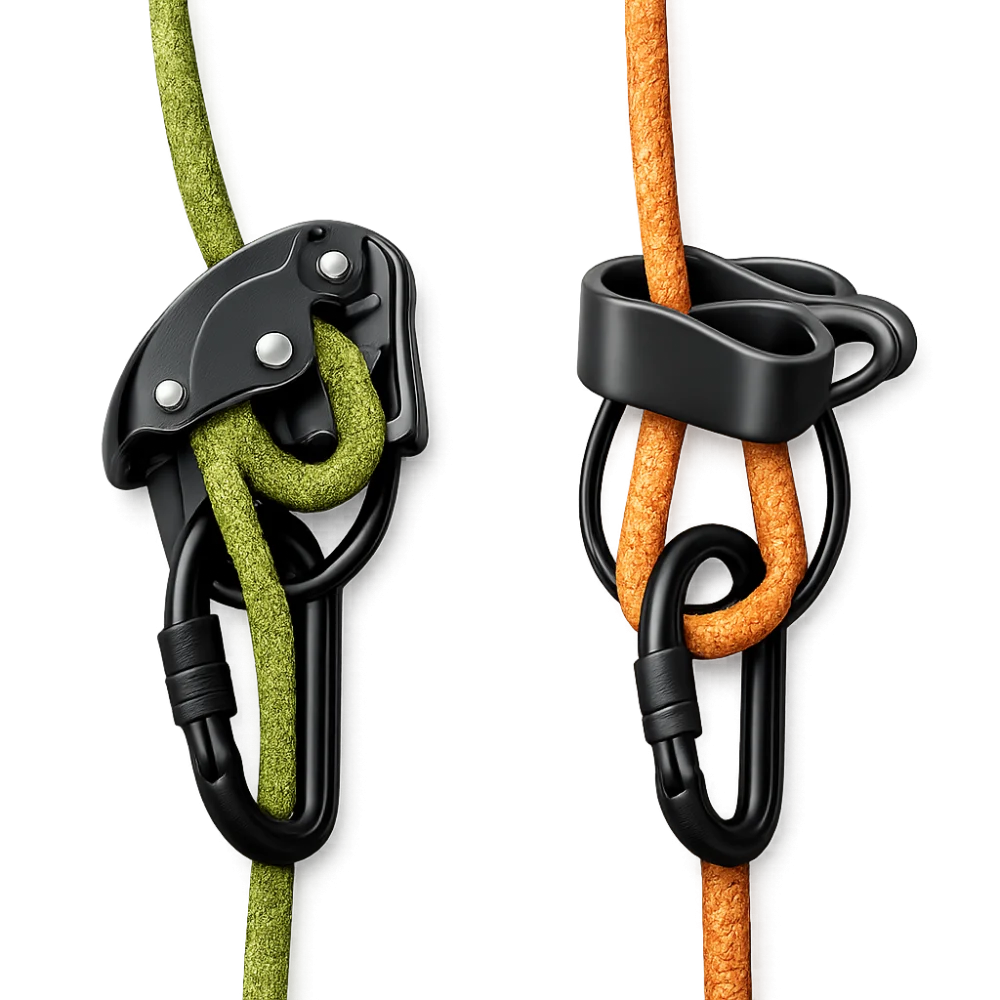
Within assisted-braking belay devices, the main differences are usually about how the device feeds rope, how much braking help it gives and how the lowering action feels. Some are simpler and more intuitive, while others are aimed at better rope management or broader use cases. The useful distinction is not brand or style alone, but whether the design suits your rope diameter, climbing frequency and preferred handling feel.
If you are comparing across climbing hardware, do not confuse assisted-braking belay devices with tube-style belay devices or descenders. Those categories can overlap in general rope-handling use, but they are not the same kind of tool and may behave differently in use.
Who each option may suit
| Buyer need | What matters most | Why that matters |
|---|---|---|
| Newer belayers | Simple handling and clear, predictable behaviour | Reduces uncertainty when learning rope management |
| Regular gym climbers | Smooth rope feed and comfortable repeated use | Frequent belaying makes ease of handling important |
| Outdoor sport climbers | Good control, secure feel and suitability for the rope used most often | Outdoor use often calls for more careful attention to rope handling |
| Shared harness and rope setups | Forgiving operation and clear suitability information | Several users may value something intuitive and versatile |
| Climbers upgrading from a basic device | Better assistance, handling comfort or lowering control | The upgrade should solve a specific pain point, not just add complexity |
Common mistakes and misunderstandings
- Choosing by name alone: similar-looking devices can feel quite different in use, so check the rope range and intended handling style.
- Assuming more braking means better overall performance: extra assistance can change rope feed and lowering feel, which may matter more than raw control.
- Ignoring rope diameter: the device should suit the rope you actually use, not just a general climbing setup.
- Overlooking who will use it: a device that feels fine to one experienced belayer may not be the easiest choice for a shared or beginner-friendly setup.
- Focusing only on the assisted feature: belay comfort, rope handling and lowering control are all part of the buying decision.
Safety and suitability caveats
Belay devices are safety-critical items, so suitability matters as much as convenience. Make sure the model is intended for your rope type and diameter, and that it fits the climbing style you plan to use it for. If you are uncertain about device handling or rope compatibility, check the individual product information carefully and seek qualified guidance where needed.
Maintenance, storage and lifespan considerations
Belay devices are usually straightforward to look after, but they still need sensible care. Keep them clean, dry and free from obvious damage or contamination, and store them so they are not knocked around with sharp metal gear. Wear, surface damage and rope-running marks can all affect how a device feels, so condition is worth checking before and after use.
How to compare options efficiently
- Decide what you will use the device for most often.
- Check the rope range and the rope type you own.
- Compare how much assistance and rope feed each option is likely to offer.
- Think about lowering control, comfort and who will be using it.
- Read the individual product page for the exact model details before choosing.
Summary buyer decision checklist
- Does it suit the rope diameter you use most?
- Will the rope feed feel manageable for your climbing style?
- Is the lowering action likely to feel controlled and comfortable?
- Is it suitable for the experience level of the belayer?
- Does the device match your main use case: gym, sport climbing or shared use?
- Have you checked the individual product page for model-specific details?
Frequently asked questions
Are assisted-braking belay devices suitable for beginners?
They can be, provided the user learns correct belaying technique and the device suits the rope and use case. A simple, predictable model is often easier to start with than a more specialised design. The key is not the label alone, but whether the handling feels clear and manageable.
Do all assisted-braking devices work with every rope?
No. Rope diameter and rope type matter, and the supported range can vary by model. Always check the exact compatibility information for the device you are considering.
Will an assisted-braking device stop every fall automatically?
No belay device should be treated as a substitute for attention and proper technique. The assisted-braking function can add help, but the belayer still needs to handle the rope correctly and stay engaged.
What is the main trade-off with assisted-braking devices?
The usual trade-off is between added braking help and how freely the rope feeds. More assistance can improve control, but it may also feel less smooth when paying out rope quickly. The right balance depends on your climbing style and experience.
Should I choose this category over a tube-style belay device?
That depends on the feel and handling you want. Assisted-braking devices are often chosen for extra braking help, while tube-style devices may suit buyers who prefer a different level of direct rope feel. Compare the intended handling rather than assuming one category is automatically better.
What should I check on the product page before buying?
Focus on rope compatibility, intended use and the handling notes for that model. If the description explains the type of braking support, rope feeding behaviour or lowering feel, those details are especially useful. Specifications vary by model, so always check the individual product page before buying.