

Caving harnesses are chosen for a very specific kind of underground use, where comfort, low snagging and practical attachment options matter more than style. If you are comparing options for caving or canyoneering, the main task is to match the harness to your activity, your clothing layers and the way you will carry or connect other gear.
Because this category is narrow, the best choice is often less about headline features and more about details such as fit, adjustability and how the harness sits when you are moving, crawling or working in wet conditions. It also helps to separate what is genuinely useful from what is simply familiar from other climbing kit.
Specifications vary by model, so always check the individual product page before buying.
What should I look for in a caving harness?
The most useful starting point is fit, followed by comfort and the type of attachment or gear-carrying arrangement you need. A good caving harness should suit your body shape, allow layered clothing if needed and avoid creating bulky or snag-prone areas. After that, compare adjustment range, padding or support, and any construction details that affect durability in wet, abrasive environments.
The main trade-off is usually between simplicity and support. A very minimal harness may feel less bulky, while a more supportive design may be more comfortable on longer outings or repeated use. The right balance depends on how often you will use it and what conditions you expect.
| Feature | What it means | Why it matters | What to check |
|---|---|---|---|
| Fit | How the harness matches your waist and leg shape | A poor fit can feel awkward, shift around or reduce comfort | Adjustment range, sizing notes and whether it works over your usual layers |
| Comfort | How the harness feels under load and during movement | Important on longer trips or when spending time standing or hanging | Support, padding and the shape of the belt and leg sections |
| Low snag profile | How bulky or exposed the harness is | Less bulk can be easier in tight spaces | Strap layout, loop placement and how much excess webbing there is |
| Attachment points | Where gear or connections are made | Needs to suit the intended activity and your wider kit setup | Type, position and number of attachment points shown on the product page |
| Material and durability | How the harness is built for wet, muddy or abrasive use | Relevant for regular cave use where kit takes a lot of wear | Construction details and any care guidance from the manufacturer |
Key decision criteria explained
Fit and sizing
Fit is the first check because a harness that does not sit correctly is harder to use comfortably and confidently. Look for the size guidance provided for the specific model and consider whether you normally wear extra layers underneath. If you are between sizes, adjustability can matter more than a single number on the label.
Comfort for the kind of use you expect
Some buyers need a harness for short, occasional trips, while others want something more comfortable for repeated or longer sessions. Comfort often comes from a combination of belt shape, leg support and how the harness distributes pressure. A design that feels fine in hand may still feel different once you are moving, carrying kit or spending time in awkward positions.
Bulk and snagging
In caving environments, excess bulk can be more than an inconvenience. If you expect tight passages, muddy conditions or lots of movement through rough rock, a cleaner layout can be easier to live with. That said, less bulk may also mean less cushioning or fewer convenience features, so the benefit depends on your priorities.
Attachment and carry points
Many buyers focus on the number of loops or attachment points, but layout matters just as much as count. Think about what you need to connect, carry or organise, and whether the positions shown on the product page suit that use. Do not assume that a familiar-looking detail from another harness type will function the same way here.
Durability and care expectations
Wet, abrasive and muddy conditions can be hard on kit, so it is worth checking how the harness is made and what care it needs. Specifications vary by model, so always check the individual product page before buying. Also consider whether you are happy with a more specialised item that may need a little more attention after use.
Common harness types and what they suit
Within this category, the most important differences are usually in build, support and layout rather than dramatic style variations. Some harnesses are shaped to stay as unobtrusive as possible, while others may offer a more supportive or feature-rich layout. The right type depends on whether you prioritise moving freely, carrying gear, or spending more time in one position.
If you are new to the category, avoid assuming that a standard climbing harness is automatically the best match. Caving and canyoneering place different demands on kit, especially around bulk, wet conditions and how the harness behaves in confined spaces.
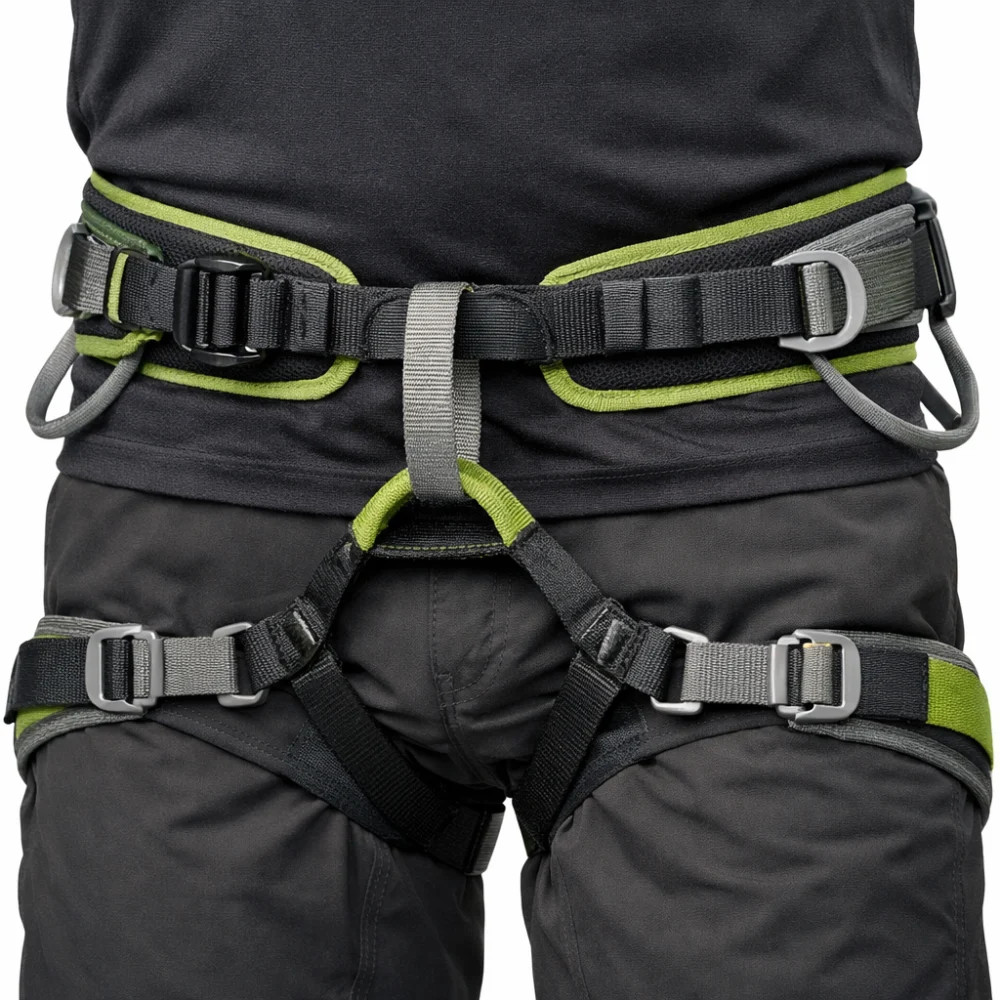
Which harness suits which kind of buyer?
| Buyer need | Helpful characteristics | Trade-off to accept |
|---|---|---|
| Occasional recreational use | Straightforward fit, simple layout, easy adjustment | May have fewer comfort or organisation features |
| Longer or more frequent sessions | Better support, more refined fit, comfort-focused shaping | May add bulk or complexity |
| Rough, confined conditions | Low snag profile, tidy strap layout, minimal excess | Less extra cushioning or fewer extras |
| Buying for a specific layering setup | Clear sizing guidance and enough adjustment room | Fit may be more important than feature count |
Common mistakes and misunderstandings
- Choosing by appearance alone: a neat-looking harness is not automatically the best fit for underground use. Check the practical details first.
- Overweighting the number of features: more attachment points or extras are not always better if they create clutter or snagging.
- Ignoring clothing layers: a harness can feel very different over thin clothing compared with thicker caving layers.
- Assuming one size suits all: adjustment range and shape matter, especially when the same harness may be used by different people.
Safety and suitability caveats
Caving harnesses are specialised items, so suitability depends on the exact activity, the rest of your kit and the manufacturer’s information. Do not assume that a product is appropriate for every underground or vertical use just because it is listed in this category. It is sensible to confirm the intended use, fit guidance and any care or inspection information before buying.
Maintenance, storage and lifespan considerations
General care can influence how satisfied you are with a harness over time. After use, many buyers will want to keep the harness clean, dry and stored away from direct heat or unnecessary abrasion. If a model has more webbing, hardware or sewn structure, it may deserve a little more attention when checking for wear and when putting it away.
Think about how easy the harness will be to inspect and store between trips. A simpler layout can be easier to keep tidy, while a more complex one may offer advantages in use but need more care in storage.
How do I compare caving harness options efficiently?
- Start with your main use: occasional trips, frequent use, or more demanding conditions.
- Check the fit and adjustment range against your body shape and clothing layers.
- Compare comfort, bulk and attachment layout rather than focusing on one headline feature.
- Review any product-page notes on materials, care and intended use.
- Choose the option whose trade-offs best match how you will actually use it.
Summary buyer decision checklist
- Does the sizing and adjustment range suit your body and layers?
- Is the harness comfortable enough for the length and style of use you expect?
- Is the layout compact enough for your environment?
- Do the attachment or carry points suit your kit setup?
- Are the care and inspection needs realistic for your routine?
Frequently asked questions
Is a caving harness different from a climbing harness?
Often, yes. Caving harnesses are typically chosen with underground movement, confined spaces and practical use in mind, while climbing harnesses are usually designed around different priorities. The safest approach is to compare the intended use stated for the specific product rather than assuming the labels are interchangeable.
Do I need padding in a caving harness?
Not always. Padding can improve comfort for some users and some kinds of use, but it may also add bulk. If you expect long sessions or more time under load, comfort features may matter more than a very stripped-back layout.
How important is adjustability?
Very important for many buyers. Adjustability helps the harness work with different clothing layers and can make it easier to get a secure, comfortable fit. If the harness will be used by more than one person, adjustment range becomes even more useful.
Should I prioritise low bulk or more support?
It depends on where and how you plan to use it. Low bulk can be helpful in tight or awkward spaces, while more support may matter more for comfort on longer sessions. Most buyers need to choose the balance that best suits their usual conditions.
What should I check before buying online?
Check the fit guidance, the intended use, the layout of attachment points and any notes about care or materials. It also helps to compare how much adjustment is available and whether the design looks suitable for the layers you normally wear. Specifications vary by model, so always check the individual product page before buying.
How do I know if a harness is suitable for my kind of caving?
Start with the product description and think about your real use: casual trips, more frequent outings or demanding conditions. Then compare bulk, comfort and the layout of the harness against that use. If anything is unclear, it is better to rely on the exact product information than to infer suitability from the category name alone.