

If you are choosing a caving helmet, the main question is not simply whether it fits, but whether it suits the type of underground activity you do, the lighting you use and how long you need to wear it comfortably. A well-chosen helmet should stay secure, feel manageable in confined spaces and work sensibly with your other kit.
This guide focuses on the buyer decisions that matter most: fit, ventilation, adjustment, headlamp compatibility and overall comfort. It is aimed at people comparing helmets for caving, canyoneering and related underground or wet environments, where practical use matters as much as the shell itself.
Because product details vary, it helps to separate the helmet type from the individual model features. Specifications vary by model, so always check the individual product page before buying.
What should you look for in a caving helmet?
The best starting point is fit and intended use. A caving helmet should sit securely, allow for adjustment, and work with the rest of your setup without feeling bulky or awkward in tight spaces. From there, compare the details that affect day-to-day use: weight, ventilation, suspension comfort, headlamp mounting and how easy it is to adjust with gloves on.
The right balance depends on whether you prioritise comfort for longer trips, a lower-profile shape for squeezing through confined passages, or simple practicality for occasional use.
| Feature | What it means | Why it matters | What to check |
|---|---|---|---|
| Fit and adjustment | How the helmet sits on your head and how easily it can be tightened or loosened | A secure fit improves comfort and helps the helmet stay in place during movement | Adjustment range, lining or cradle design, and whether it suits your head shape |
| Profile and shape | The overall size and contour of the helmet | A slimmer shape can be easier in confined or awkward passages | How far it sits from the head and whether it feels compact enough for your activity |
| Weight and comfort | How heavy the helmet feels during extended wear | Lower fatigue matters on longer trips or when wearing the helmet for hours | Overall feel, padding, and whether the fit remains comfortable with other kit |
| Headlamp compatibility | How the helmet accepts a lamp or lamp mount | Good lamp attachment matters because underground visibility is a core part of use | Mount points, retention method, and space for the headlamp setup you plan to use |
| Ventilation | How much airflow the helmet allows | Useful for comfort in warmer conditions, though not every model prioritises it | Whether the design balances airflow with the coverage you want |
| Durability and finish | The build and surface treatment of the helmet | Helmets are exposed to knocks, mud and wet conditions | General construction, ease of cleaning and how well it suits regular use |
Key decision criteria explained
Fit comes before features
Fit is the most important practical factor because even a well-made helmet is awkward if it shifts, pinches or sits too high. Look for adjustment that allows a stable hold without pressure points. If you wear a hat, hood or thin liner underneath, make sure the adjustment range leaves enough room.
Consider the spaces you actually move through
Caving often involves low, narrow or uneven areas, so shape matters more than many first-time buyers expect. A lower-profile helmet may feel less obtrusive in tight spots, while a more open design can feel easier to wear for longer periods. Choose according to the kind of routes you expect, not just appearance.
Think about how you will mount a light
Underground work usually depends on reliable lighting, so compatibility with your headlamp matters. Some buyers want straightforward mounting and a secure hold; others prefer a helmet that gives enough room for their preferred lamp system. Check how the lamp attaches and whether the helmet leaves the light positioned where you want it.
Comfort can be more important than raw simplicity
If you expect to wear the helmet for long sessions, comfort features become easier to appreciate. Padding, cradle design and adjustability all affect how tiring the helmet feels over time. A very basic helmet may suit occasional use, but regular users often notice comfort differences more quickly.
Materials and finish affect upkeep
Helmets used in wet, muddy environments should be easy to clean and inspect. A simple exterior finish can make post-trip care easier, and a design with fewer awkward spots may be less troublesome to keep in good condition. Specifications vary by model, so always check the individual product page before buying.
Common caving helmet types and variants
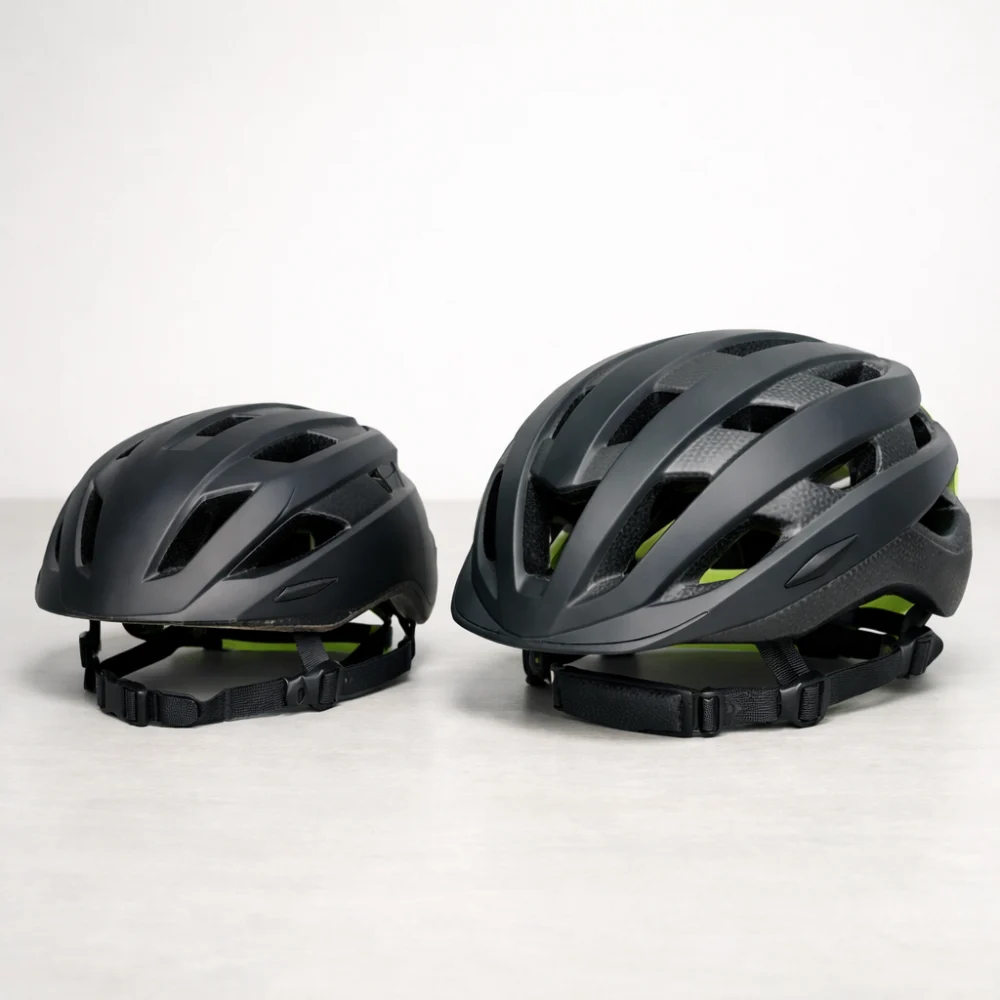
Within this category, variation is usually about design priorities rather than completely different product roles. Some helmets lean towards a more compact profile, while others focus on comfort or broad adjustability. The right choice depends less on labels and more on how the helmet feels in use.
- Compact helmets: Often chosen when a lower profile feels useful in confined spaces, though they may feel less open or airy.
- Comfort-focused helmets: Suited to longer wear, with more emphasis on padding and adjustment, though they can feel a little bulkier.
- Simple, practical helmets: Good for buyers who want straightforward protection and don’t need extra refinement.
Which helmet suits which kind of buyer?
| Buyer need | What to prioritise | Why |
|---|---|---|
| New to caving | Easy adjustment, comfortable fit and straightforward lamp compatibility | Beginners usually benefit from a helmet that is easy to set up and comfortable to wear while learning |
| Regular caver | Long-wear comfort, secure fit and a shape that works in tighter spaces | Frequent use makes small comfort differences more noticeable |
| Wet or muddy trips | Easy cleaning, durable finish and a secure helmet-to-lamp setup | Practical upkeep matters when gear is exposed to dirt and water |
| Gift buyer | Broad adjustability and generally versatile features | When you are unsure of exact preferences, a flexible fit and simple setup reduce the risk of getting the wrong match |
Common mistakes and misunderstandings
- Choosing by appearance alone: A helmet can look suitable but still feel wrong on the head. Comfort and fit are more important than style.
- Ignoring the lamp setup: If your lighting does not sit securely, the helmet becomes less practical. Check the mounting arrangement before deciding.
- Overlooking head shape and adjustment range: A helmet that is technically the right size may still feel unstable. The way it adjusts matters just as much as the nominal size.
- Assuming one design suits every kind of trip: A helmet that feels fine for occasional use may not be the most comfortable option for longer or more demanding outings.
Safety and suitability caveats
Choose a helmet that is intended for the kind of activity you plan to do, and check the individual product information carefully. Do not assume that a helmet is suitable for every underground or rope-based use just because it appears similar to another model. If you are unsure about your specific activity, look closely at the product page details and any guidance that comes with the item.
Care, storage and lifespan considerations
A caving helmet is usually easiest to live with when it is cleaned after muddy or wet trips and stored somewhere dry with the adjustment system relaxed enough to avoid unnecessary strain. Check the shell, straps and fittings regularly for obvious wear, especially if the helmet is used often. Keep it away from excessive heat and from anything that could degrade the materials.
How to compare caving helmets efficiently
- Start with the kind of caving or canyoneering you do most often.
- Decide whether fit, compactness or comfort is the main priority.
- Check how the helmet works with your headlamp and other worn kit.
- Compare adjustment range, profile and comfort features on the individual product page.
- Choose the option that best matches the trade-off you are most likely to notice in use.
Summary buyer decision checklist
- Does the helmet fit securely and comfortably?
- Is the profile suitable for your usual routes?
- Does it work with your headlamp setup?
- Will it feel comfortable for the length of wear you expect?
- Is it easy to clean and maintain after muddy or wet trips?
- Have you checked the individual product page for model-specific details?
Frequently asked questions
How do I know if a caving helmet fits properly?
It should sit securely without wobbling and feel stable when you move your head. The adjustment should let you fine-tune the fit rather than forcing you to accept pressure points. If possible, think about whether it still feels comfortable with the rest of your kit on.
What matters more: comfort or a compact shape?
That depends on how you use it. Comfort matters more for longer trips, while a compact shape may be more helpful in tight or awkward passages. Many buyers are best served by balancing the two rather than chasing one feature alone.
Do all caving helmets work with the same headlamp setup?
No, compatibility can vary by design. Check the attachment method and make sure it suits the lamp you plan to use. A secure, simple setup is usually more important than extra complexity.
Is ventilation important in a caving helmet?
It can be, especially if you expect longer wear or warmer conditions. However, ventilation should be weighed alongside fit, profile and overall comfort. The most suitable choice depends on how and where you use it.
Can one helmet suit both caving and canyoneering?
Sometimes, but you should check the intended use and model details carefully. A helmet that seems versatile may still have design trade-offs that suit one activity better than another. The product page should help you decide whether it matches your planned use.
How much maintenance does a caving helmet need?
Usually, not much beyond cleaning, drying and checking the condition of the shell and fittings. The main thing is to keep it stored properly and inspect it regularly if it is used often. That helps you notice wear before it becomes a problem.