


Bikepacking panniers are a practical way to carry more kit while keeping weight off your back and freeing up space elsewhere on the bike. They suit riders who want to tour, commute with luggage, or head out on longer trips where capacity and easy access matter more than absolute minimalism.
Choosing well is mostly about matching the pannier style to your rack, the sort of riding you do and how often you need to remove the bags. Some options focus on everyday convenience, while others are better for rougher routes or lighter, more compact setups.
Compare Bikepacking Panniers


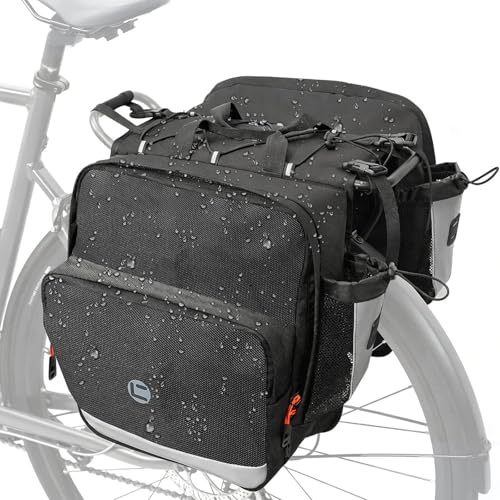
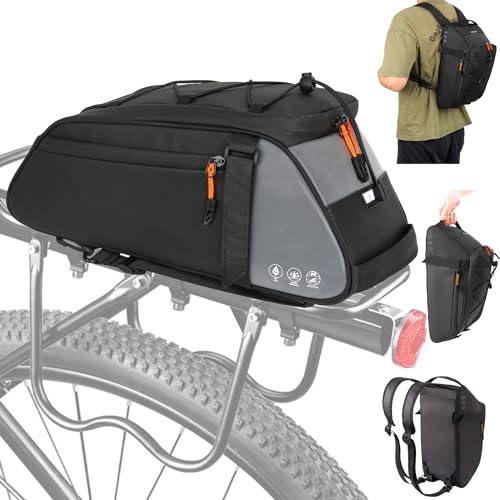


As an Amazon Associate we earn from qualifying purchases.
How do I choose bikepacking panniers?
The best starting point is to think about where the bags will sit on the bike and how much load you actually need to carry. From there, compare attachment method, capacity, waterproofing, stability and ease of access. A pannier that fits your rack well and stays secure on rough roads is usually more useful than one that simply offers the biggest volume.
Specifications vary by model, so always check the individual product page before buying.
| Feature | What it means | Why it matters | What to check |
|---|---|---|---|
| Mounting system | How the pannier attaches to the rack or carrying point | Affects security, ease of fitting and removal | Compatibility with your rack, hook style, strap layout and any release mechanism |
| Capacity | How much the bag can carry | Determines whether it suits day trips, commuting or longer tours | Internal volume, bag shape and whether the space is easy to use in practice |
| Stability | How firmly the bag stays in place while riding | Important on rough surfaces and when cornering | Attachment points, support structure and how the bag is balanced when loaded |
| Weather resistance | How well the bag helps keep contents dry and protected | Useful in changeable conditions and for carrying clothing or electronics | Material type, closure design and whether extra protection is needed |
| Access | How easily you can get items in and out | Convenience matters if you stop often or need regular access to gear | Opening style, pocket layout and how easy it is to pack neatly |
| Weight and bulk | How much the bag adds to the bike when empty | Matters to riders who want a lighter setup or smaller packed size | Overall build, structure and whether the shape suits your bikepacking style |
Key features that matter most
Rack and mounting compatibility
Panniers depend on the right fit to your rack or carrying system. The main question is whether the bag sits securely without rocking, slipping or interfering with the wheel, frame or other luggage. If you already have a rack, check that the attachment design is suitable for that setup before focusing on style or capacity.
Capacity and shape
Volume is important, but so is how usable that volume is. A wide or tall bag may carry more, yet still be awkward to pack on a smaller bike or when space is shared with other bags. Think about what you normally carry and whether you need one large compartment, a more structured shape or something easier to compress.
Stability on the bike
For bikepacking, the way a pannier handles movement can matter as much as its size. A bag that swings or shifts too much can feel distracting, especially on rougher roads. Look for a design that suits the kind of riding you do and the loads you expect to carry.
Access and packing routine
Some riders want quick access for layers, food or tools; others prefer a simpler load-and-forget approach. Roll-top closures, flap openings and zips each have different strengths, so choose the style that fits your packing habits rather than assuming one closure suits every trip.
Weather protection
Bikepacking panniers may offer different levels of protection from rain and splash. That does not always mean the same thing as fully waterproof in every real-world situation, so check the product details carefully if you need protection for dry clothing, sleeping gear or electronics.
Types of bikepacking panniers
There is not always a huge difference between panniers at category level, but the main distinctions usually come from how they attach, how structured they are and how much they prioritise weather protection.
- Rack-mounted panniers: Best for riders who already use a rack and want a stable way to carry more gear. The trade-off is extra hardware and a slightly less minimal setup.
- Lightweight or compact pannier styles: Better for shorter trips or riders who want luggage without adding too much bulk. The trade-off is less capacity and sometimes less structure.
- More weather-resistant panniers: Suited to mixed conditions and year-round use. The trade-off may be a firmer closure or a less flexible packing shape.
Which pannier suits which rider?
| Buyer need | Features to prioritise | Why this helps |
|---|---|---|
| Weekend bikepacking | Balanced capacity, secure mounting, reasonable weather protection | Gives enough space without making the bike feel overloaded |
| Commuting | Easy access, quick removal, practical internal layout | Makes everyday use simpler when stopping often |
| Longer touring | Higher capacity, stable attachment, dependable weather resistance | Helps carry more kit over multiple days with fewer compromises |
| Rougher routes | Strong mounting, low sway, secure closure | Improves confidence when the surface is less predictable |
| Minimalist bikepacking | Compact size, lower weight, simple packing | Reduces bulk and keeps the setup easier to manage |
Common mistakes to avoid
- Choosing only by capacity: A bigger bag is not always a better fit if it interferes with your riding position or rack setup.
- Ignoring the mounting system: A pannier that seems suitable on paper can still be awkward if the attachment method does not suit your bike.
- Overlooking access: If you use the bag often, an awkward opening can become irritating very quickly.
- Assuming all weather protection is identical: Check the product details rather than treating every water-resistant claim as the same.
- Forgetting the rest of the luggage setup: Panniers work best when they complement, rather than fight with, your other bags and accessories.
Safety and suitability caveats
Before buying, make sure the pannier suits the type of riding you do and the load you expect to carry. Check for any stated rack requirements, maximum load guidance or fit notes on the product page, especially if you plan to use the bag on rougher terrain or with valuable items. If the bag needs a particular mounting style, it is better to confirm that fit in advance than to rely on a close-looking alternative.
Maintenance and storage considerations
Bikepacking panniers usually benefit from simple care: empty out grit, let them dry before storage and keep attachments clear of dirt so they remain easy to use. If the bag has moving parts, buckles or clips, it is worth checking them periodically for wear. How much attention they need depends on the material and fastening design, so compare that alongside the carrying features if you want something low-fuss.
How to compare panniers efficiently
- Decide what the pannier needs to carry and how often you will use it.
- Check whether your rack or bike setup matches the attachment system.
- Compare capacity, stability, weather resistance and access together, not one at a time.
- Think about the trade-off between a lighter, simpler bag and a more structured, higher-capacity one.
- Read the individual product page carefully for fit notes and any specific limitations.
Buyer decision checklist
- Does the pannier suit your rack or mounting setup?
- Is the capacity right for your usual ride length and gear load?
- Will the bag stay stable enough for the surfaces you ride on?
- Is the opening style convenient for how often you need access?
- Does the weather protection level match your typical conditions?
- Will the size and shape work alongside your other bikepacking bags?
- Have you checked the individual product page for fit notes and limits?
Frequently asked questions
Are bikepacking panniers the same as touring panniers?
They can overlap, but bikepacking panniers are often chosen with a lighter, more compact or more off-road-friendly setup in mind. Touring panniers may prioritise capacity and long-distance practicality, while bikepacking buyers often care more about stability, size and how the bag fits into a mixed luggage system.
Do I need a rack for panniers?
In many cases, yes. The exact attachment method varies, so the important thing is to confirm what the pannier needs and whether your bike already has the right rack or carrying point. If you are unsure, check the product page rather than assuming a bag will fit every setup.
Is a waterproof pannier always necessary?
Not always. If you mainly carry tough items or ride in settled weather, water resistance may be enough. If you carry clothing, electronics or overnight kit, stronger weather protection is usually more important.
How much capacity should I choose?
Start with the kit you normally carry and avoid buying far more volume than you need. Too much space can tempt overpacking, while too little means the bag becomes frustratingly cramped. The right size is the one that matches your usual load without making the bike feel overburdened.
What matters more: stability or access?
That depends on how you ride and how often you stop. For rougher routes, stability usually deserves more attention. For commuting or frequent stop-start use, quick access may matter more day to day.
Can I use panniers with other bikepacking bags?
Often yes, and many riders mix panniers with frame bags, handlebar bags or top tube bags. The main goal is to balance weight, avoid interference and keep the setup comfortable to ride. A well-planned combination is usually more effective than relying on one bag type alone.
Do I need to match both panniers on the bike?
Not necessarily, but a balanced setup is usually easier to carry and ride with. If you only need one pannier, think about how that will affect handling and where the weight sits. If you use a pair, compare them as a system rather than as separate purchases.
More Bikepacking Panniers
See all 73 Bikepacking Panniers →


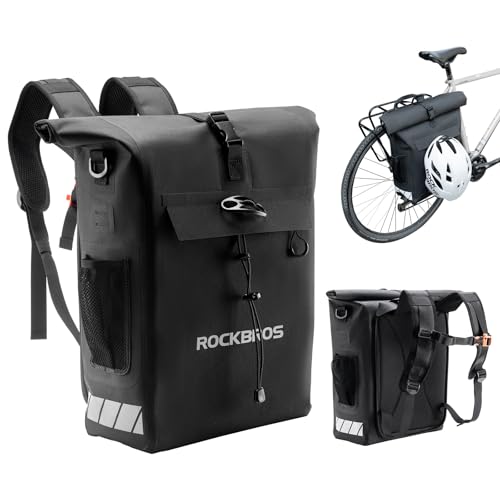
As an Amazon Associate we earn from qualifying purchases.