


Bike pet carriers are for riders who want to bring a small pet along on suitable rides while keeping comfort and practicality in mind. The right choice depends less on the look of the carrier and more on how it fits the pet, the bike and the type of journey you plan to make.
If you are comparing options for the first time, it helps to think about where the carrier sits on the bike, how your pet enters or rests in it, and how secure the setup feels in everyday use. A thoughtful choice should balance convenience for the rider with space, stability and comfort for the animal.
Because this category covers a narrow but important need, the main decision is usually about fit and intended use rather than lots of feature differences. Specifications vary by model, so always check the individual product page before buying.
Compare Bike Pet Carriers

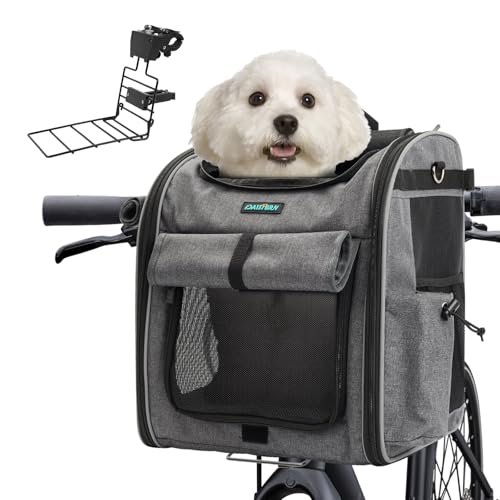


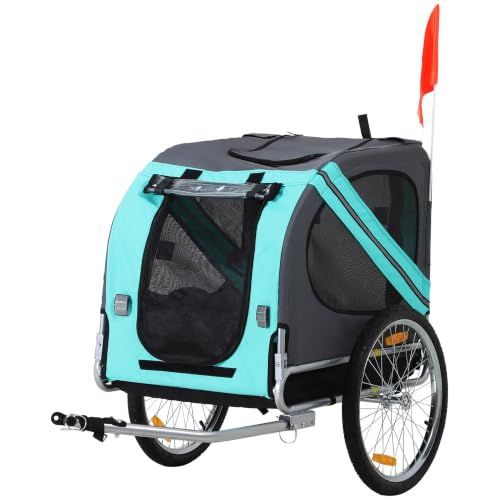
As an Amazon Associate we earn from qualifying purchases.
What should you look for first?
Start with your pet’s size and temperament, then check that the carrier style suits both the animal and your bike setup. A secure fit, sensible access and enough room for your pet to sit or rest comfortably matter more than decorative extras. The most practical option is usually the one that suits your ride length, your handling confidence and your pet’s tolerance for movement and noise.
| Feature | What it means | Why it matters | What to check |
|---|---|---|---|
| Pet size and shape | How much room the carrier offers for your animal | A carrier that is too small can be cramped, while one that is too large may feel less secure | Internal space guidance, intended pet size and whether your pet can sit, turn or lie comfortably |
| Mounting position | Where the carrier sits on the bike | Position affects handling, access and how the bike feels to ride | Whether it suits your bike layout and leaves enough space for pedalling, steering and other accessories |
| Stability | How firmly the carrier stays in place | Movement can affect comfort for the pet and confidence for the rider | Attachment method, load guidance and how the carrier is supported on the bike |
| Access and closure | How your pet gets in and out, and how the carrier closes | Easy access makes loading simpler, while secure closure helps keep the pet contained | Opening style, fastening design and whether loading looks manageable for your pet |
| Comfort features | Padding, ventilation and any soft surfaces | These features can improve the experience on longer or warmer rides | Ventilation, washable linings and whether the interior appears supportive rather than just enclosed |
| Bike compatibility | Whether the carrier works with your particular bike setup | Some carriers may suit certain frame shapes or accessory layouts better than others | Fit notes, required mounting space and any restrictions listed by the product page |
Key decision criteria explained
Comfort for the pet
For most buyers, this is the starting point. A pet carrier should give your animal enough room to settle without feeling unstable or overexposed. A cosy interior is not the same as a cramped one, so focus on support, airflow and how relaxed your pet is likely to feel during the ride.
How the carrier affects the bike
Carrying an animal changes the feel of the bike, especially if the carrier sits high, forward or off-centre. The best option is the one that feels manageable for your style of riding and leaves the bike easy to control. If you already use racks, lights or bags, check that everything can still work together sensibly.
Access, loading and routine use
Some pets will settle quickly, while others need a calmer and more gradual introduction. A carrier that is easy to open, secure and check during the ride can make day-to-day use far simpler. Look for a design that matches the way you actually expect to use it, not just the way it looks online.
Cleaning and upkeep
Animals bring fur, dirt and the occasional spill, so simple cleaning can matter more than it first appears. Removable linings, wipeable surfaces and straightforward straps or fasteners can make ownership less fiddly. If maintenance matters to you, check how the materials are finished and whether the carrier appears easy to keep fresh.
Types and variants you may see
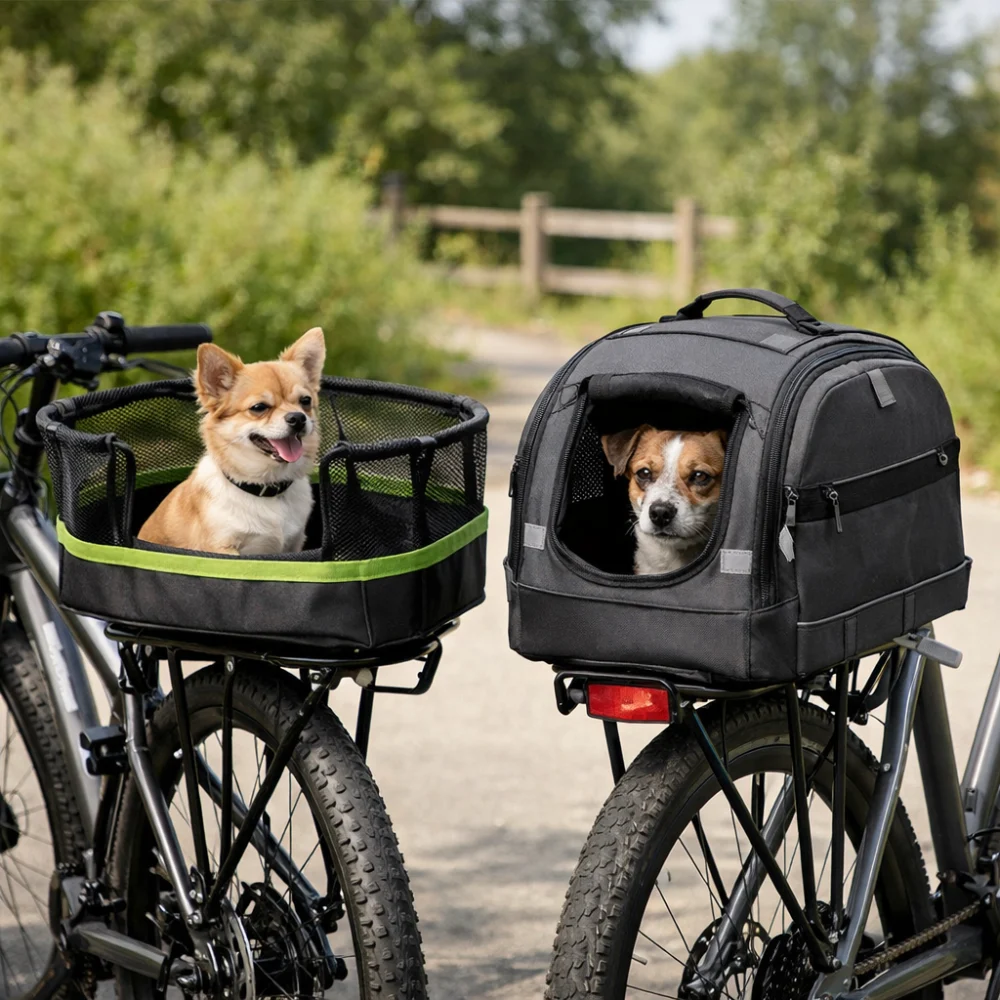
Within this category, the main differences are usually about placement, structure and how enclosed the pet area feels. Some carriers are more open and basket-like, while others are more enclosed or padded for a snugger ride. The right style depends on whether you prioritise easy access, more shelter or a firmer sense of containment.
An open style may suit short, calm rides where visibility and quick loading matter. A more enclosed style may suit pets that prefer a defined space or riders who want a stronger sense of enclosure. Neither approach is automatically better; the useful question is which one matches your pet’s behaviour and your normal route.
Which type suits different buyers?
| Buyer need | More suitable features | Why |
|---|---|---|
| Short leisure rides | Simple loading, basic comfort and secure attachment | You may value convenience and easy handling more than extra enclosure |
| More nervous pets | Supportive interior, secure closure and a calmer enclosure | A steadier, more defined space can help some animals settle |
| Regular use | Easy cleaning, durable fastenings and practical access | Frequent use makes convenience and maintenance more important |
| Owners with other bike gear | Clear compatibility with racks, bags or accessories | You need the carrier to work with the rest of the bike setup |
Common mistakes to avoid
- Choosing by appearance alone: a carrier can look suitable but still be awkward for your pet or your bike.
- Ignoring fit details: the pet’s comfort depends on usable space, not just general product style.
- Overlooking handling: if the carrier makes the bike feel awkward, you are less likely to use it confidently.
- Forgetting the routine: a design that is hard to clean or load can become inconvenient very quickly.
Safety and suitability caveats
Bike pet carriers are only suitable where the pet, the bike and the rider’s confidence all line up sensibly. Do not assume every carrier works for every animal or every route. Check the individual product page carefully for fit guidance and intended use, and avoid choosing a carrier that leaves your pet cramped or unstable.
It is also sensible to think about the riding conditions you expect to face. Busy roads, rough surfaces and longer journeys can all change how practical a carrier feels, even if it seems fine for a short test.
Maintenance and lifespan considerations
Most buyers will want a carrier that is easy to keep clean and simple to inspect after use. Fabrics, fixings and padding can wear differently depending on how often the carrier is used and how it is stored. If you plan to use it regularly, look for materials and finishes that appear straightforward to wipe down and keep dry.
Storage matters too. A carrier that folds away or stores neatly may be easier to live with than one that takes up constant space when not in use. If the product uses removable pads or liners, those can also influence how practical ownership feels over time.
How to compare options efficiently
- Decide how you want to travel with your pet and how often you expect to use the carrier.
- Check the carrier style and mounting position against your bike setup.
- Compare comfort, access and stability before looking at extras.
- Think about cleaning and storage so the carrier suits everyday use.
- Read the individual product page carefully before deciding.
Summary buyer decision checklist
- Does the carrier suit your pet’s size and comfort needs?
- Will it fit your bike and leave room for normal riding?
- Does the mounting or attachment method look secure and practical?
- Is the access style easy enough for regular use?
- Will the materials and design be easy to clean and store?
- Does the carrier match the kind of rides you actually plan to do?
Frequently asked questions
How do I know if a bike pet carrier is the right choice?
It is a good option if you want to travel with a small pet and can find a carrier that suits both the animal and the bike. The key question is whether the pet can ride comfortably and securely without making the bike awkward to handle.
Are all bike pet carriers suitable for the same pets?
No, and that is one of the most important things to check. The usable space, enclosure style and support can vary a lot, so the right choice depends on your pet’s size, behaviour and comfort level.
What matters more: comfort or stability?
You need both, but stability is often the first thing to rule out. If the carrier feels insecure, it is unlikely to be a pleasant experience for the pet or the rider, even if the interior looks comfortable.
Can I use one carrier with any bike?
Not safely assuming so. Bike layout, available mounting space and other accessories can all affect fit, so it is important to check the product page for compatibility information rather than relying on the category name alone.
How important is cleaning?
Very important if you plan to use the carrier regularly. Fur, mud and general wear can build up quickly, so a carrier that is easy to wipe down or freshen up can be much more convenient over time.
Should I choose an enclosed design or a more open one?
That depends on your pet and the way you ride. More enclosed designs can feel more defined and sheltered, while open styles may be easier to load and may suit calm, short trips better.
Check weight as well as space
A pet may fit inside a carrier by its dimensions but still be too heavy for the carrier or its mounting point. Check the stated weight guidance for the carrier and, where relevant, the rack and bike; consider the combined load rather than the pet alone. Do not assume that a carrier that attaches to a rack is suitable for every rack.
Bike-mounted carrier or trailer?
A bike-mounted carrier keeps the pet close to the bike, but its position can affect balance and may take up space needed by other equipment. A tow-behind trailer carries the pet separately behind the bike, which changes the overall length and may need more room to store. Compare the attachment requirements, weight guidance and your usual routes, then consider which arrangement you can handle confidently. Neither style is automatically right for every pet or rider.
More Bike Pet Carriers
See all 60 Bike Pet Carriers →


As an Amazon Associate we earn from qualifying purchases.