


If you are choosing a bike bell or horn, the main question is not simply how loud it is. The better choice depends on where you ride, how much space you have on the bars and whether you want a simple warning sound or something more attention-grabbing.
This guide helps you compare the practical differences between bells and horns, so you can choose a style that feels natural to use and fits your bike neatly.
For many riders, the right starting point is a bell that is quick to reach and easy to operate while keeping a hand safely on the bars. Horns can be useful where a stronger alert is preferred, but they are usually worth considering with more care because they can be less subtle and may not suit every riding environment.
Compare Bike Bells & Horns


As an Amazon Associate we earn from qualifying purchases.
How do you choose between a bike bell and a horn?
Start with how and where you ride. A bell is often the simplest choice for everyday cycling, commuting and shared paths because it gives a clear alert without much fuss. A horn may suit riders who want a stronger attention cue, but the trade-off is usually more bulk, more sound intensity and sometimes a less discreet look. Specifications vary by model, so always check the individual product page before buying.
| Feature | What It Means | Why It Matters | What To Check |
|---|---|---|---|
| Sound type | Bell or horn style of alert | Affects how noticeable and natural the signal feels | Decide whether you want a light warning or a more forceful alert |
| Mounting style | How it attaches to the handlebar | Needs to fit your bar space and hand position | Check the mount shape, size and placement on your bike |
| Ease of use | How quickly you can activate it | Important when you need to signal without losing control | Look for a control that feels reachable and comfortable |
| Size and profile | How much space the unit takes up | Can affect cockpit clutter and access to other controls | Make sure it will not interfere with shifters, brakes or lights |
| Noise level and character | How the sound is perceived by others | Helps you choose something suited to your riding setting | Consider whether you ride in quiet shared spaces or busier traffic |
Key decision criteria
Bell or horn?
Bells are usually the calmer, more familiar option. They suit riders who want a polite warning that is easy to recognise and quick to use. Horns are typically chosen when a louder or more assertive signal is preferred, but that does not automatically make them better. Think about the environments you ride in and whether a stronger alert is genuinely useful or simply more than you need.
Handlebar space and control layout
On many bikes, the real issue is not sound but fit. Your cockpit may already be busy with lights, a cycle computer, brake levers or gear controls, so the bell or horn needs to fit without making everything cramped. A compact design can be easier to position and less likely to interfere with other accessories.
Activation and feel
The best option is usually the one you can operate confidently with one hand. A lever, thumb control or press action should feel natural enough that you do not have to hunt for it while riding. If the control is awkward, you are less likely to use it when it matters.
Material and finish
Material choice is usually about durability, feel and appearance rather than dramatic performance differences. A sturdier-feeling product may suit a bike that lives outdoors or sees frequent use, while a lighter or simpler design may be enough for occasional riding. Check the product details for the intended mounting method and any notes about care.
Sound character versus volume
Volume is only part of the story. A sound can be loud enough yet still be poorly suited to the setting if it feels harsh, brief or hard to recognise. In quieter areas, a clearer tone may be more useful than a very aggressive one, while in busier environments a stronger signal may be easier to notice.
Types and variants
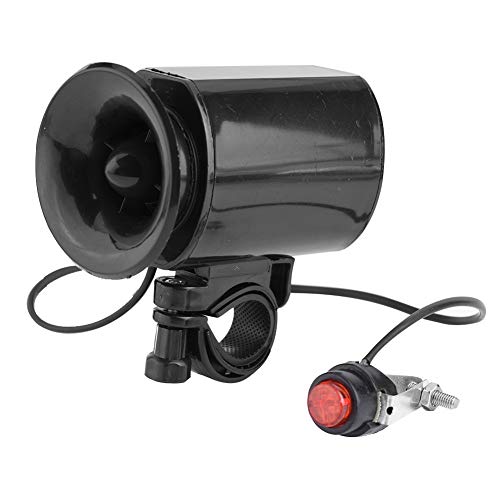
Within this category, the main variation is between bells and horns. Bells are usually compact, familiar and straightforward. Horns are generally more assertive and may appeal to riders who want a stronger presence. The right choice depends less on fashion and more on how noticeable you need the signal to be and how much space you have on the bars.
Which option suits which rider?
| Buyer need | Better fit | Why | What to prioritise |
|---|---|---|---|
| Everyday commuting | Bell | Simple to use and usually easy to live with on a daily basis | Quick reach, neat fit, clear sound |
| Shared paths and leisure rides | Bell | Often provides a polite, familiar warning | Comfortable activation and compact size |
| Riders wanting a stronger alert | Horn | May be more noticeable in noisier surroundings | Control feel and suitability for your riding area |
| Limited handlebar space | Compact bell | Easier to fit alongside other accessories | Mounting footprint and clearance |
| Gift buyers | Simple bell or horn | A practical accessory is easier to choose when the exact bike setup is unknown | Universal fit claims, appearance and ease of use |
Common mistakes and misunderstandings
- Choosing only by loudness: a louder product is not always the most suitable. Consider how the sound feels in real use and whether it fits your riding environment.
- Ignoring handlebar clutter: even a small accessory can be awkward if space is tight. Check where it will sit relative to brakes, gears and lights.
- Assuming all mounts fit every bike: mounting details vary, so it is worth checking the product page carefully rather than relying on a general category label.
- Overlooking ease of activation: if the control is fiddly, you may avoid using it. A simple, intuitive action is often more valuable than a more elaborate design.
Safety and suitability caveats
A bell or horn is a courtesy and communication accessory, not a guarantee that other road users will hear you or react as expected. Choose a model that suits your riding environment, but keep in mind that visibility, speed and awareness all still matter.
If you ride with children, in groups or in mixed traffic, think carefully about who will use the accessory and whether the control feels manageable for them. The most suitable choice is one that can be used reliably, not just one that looks impressive.
Maintenance, storage and lifespan considerations
Most bells and horns are low-maintenance, but they still benefit from occasional checking. Look for secure mounting, clean moving parts and any signs of wear if the item is used often or stored outside. If a model relies on a specific mechanism or separate parts, review the product information so you know what care it may need over time.
How to compare options efficiently
- Decide whether you want a bell or a horn based on your riding environment.
- Check that the mounting style suits your handlebar space and existing accessories.
- Consider how easy the control is to reach and use while riding.
- Compare the sound character, not just the idea of volume.
- Read the individual product page for any model-specific notes before buying.
Summary buyer decision checklist
- Does the bell or horn suit where you ride most often?
- Will it fit your handlebar without crowding other controls?
- Can you activate it comfortably with one hand?
- Is the sound style appropriate for your preferred riding environment?
- Have you checked the product page for model-specific mounting details and care notes?
Frequently asked questions
Is a bike bell or a horn better for everyday riding?
For many everyday riders, a bell is the more straightforward choice because it is compact and familiar. A horn may make sense if you want a more assertive alert, but it is not automatically better for all routes or riding styles.
Do I need a lot of handlebar space?
Not always, but it helps to check carefully. Some bells and horns are compact, while others need more room or a different position to avoid clashing with lights, shifters or brake levers.
What should I look for if I want something easy to use?
Look for a control that feels natural to reach without changing your grip too much. Ease of use matters because an awkward accessory is less likely to be used at the right moment.
Are louder products always more useful?
Not necessarily. A sound that is clear and appropriate for your surroundings can be more effective than one that is simply louder. Think about where you ride and how other people are likely to hear it.
Can one model suit every type of bike?
No single design is likely to suit every handlebar setup. Fit depends on available space, mounting style and how your other accessories are arranged, so it is worth checking the individual product page.
How much care do these accessories usually need?
Usually not much, but regular checks are sensible. Make sure the mount is secure and keep an eye on any moving parts or surfaces that may collect dirt over time.
More Bike Bells & Horns
See all 93 Bike Bells & Horns →



As an Amazon Associate we earn from qualifying purchases.