


Bike chain lubricant is a small purchase that can make a noticeable difference to how a drivetrain feels and how much attention it needs. The main choice is usually not about finding one perfect product, but about matching the lubricant to the conditions you ride in and how often you are willing to reapply it.
This guide helps you compare the main lubricant types, understand the trade-offs and avoid common mistakes such as choosing by label alone. It is aimed at everyday riders, commuters, road cyclists, gravel riders and bikepacking users who want a cleaner, quieter or longer-lasting chain setup.
Because chain lubricants behave differently in wet, dry and mixed conditions, it helps to think first about your riding rather than the bottle size or marketing claims. Specifications vary by model, so always check the individual product page before buying.
Compare Bike Chain Lubricants


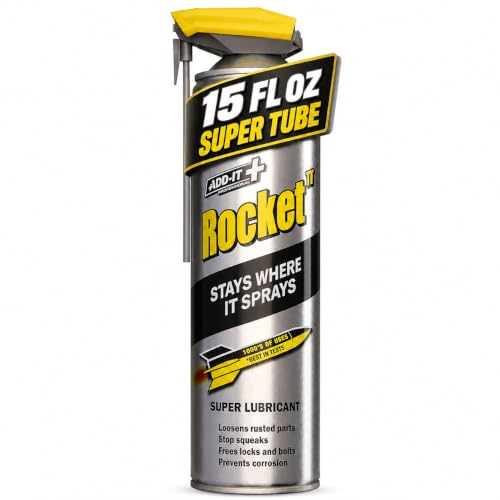
As an Amazon Associate we earn from qualifying purchases.
What should you look for in bike chain lubricants?
The most useful starting point is the conditions you ride in most often. A dry-condition lubricant may help keep a chain cleaner in fair weather, while a wet-condition lubricant is usually chosen for better staying power in rain or muddy use. If you ride across changing weather, a general-purpose or all-condition option may be easier to live with, even if it is not the strongest choice in one specific situation.
| Feature | What it means | Why it matters | What to check |
|---|---|---|---|
| Riding conditions | Whether the lubricant is intended for dry, wet or mixed use | Condition matching affects how long the lubricant stays in place and how clean the chain remains | Look for the stated use case rather than assuming one lubricant suits every ride |
| Application style | How the lubricant is applied to the chain | Ease of use affects how consistently you will maintain the drivetrain | Check whether it is a drip-applied liquid, wax-style treatment or another form |
| Cleanliness | How much residue or dirt it tends to attract | A cleaner chain may need less wiping and can make maintenance simpler | Consider whether you prefer lower mess or maximum staying power |
| Reapplication frequency | How often the chain may need attention | More frequent maintenance can suit short rides, but not everyone wants that routine | Balance convenience against the kind of riding you do most |
| Compatibility | Whether the product is suitable for your drivetrain and use conditions | Some products are aimed at particular riding styles or maintenance routines | Read the product details carefully and check any application notes |
Key decision criteria explained
Dry, wet or all-condition use
Condition-specific lubricants are one of the clearest ways to narrow the choice. Dry lubes are usually chosen by riders who want a cleaner-running chain in dry weather, while wet lubes are often selected for damp or dirty conditions where staying power matters more. All-condition products sit between those two and can suit riders who do not want to switch products through the year.
The trade-off is simple: the more a lubricant is tuned for one environment, the more likely it is to be a compromise elsewhere. If your riding is varied, convenience may matter more than chasing the most specialised option.
Chain cleanliness versus persistence
Some lubricants are chosen because they help keep grime down, while others are chosen because they remain on the chain for longer. These are not always the same thing. A cleaner chain can mean less wiping and a tidier drivetrain, but a product that stays put for longer may be preferable if you ride in frequent rain or long distances between maintenance sessions.
Think about what bothers you most: noise, mess, frequent reapplication or poor performance in bad weather. That usually points you towards the right type more reliably than a general marketing claim.
Application and maintenance routine
How a lubricant is applied affects whether you will actually use it properly. If a product feels awkward or messy, many riders end up maintaining the chain less often than they intended. A straightforward drip application may suit routine home care, while more involved treatments may suit riders who prefer a more deliberate maintenance cycle.
Check whether the product needs a clean chain before use and whether it is intended for regular top-ups or a more complete reset of the drivetrain. That matters as much as the lubricant itself.
Product types and variants
Within bike chain lubricants, the most useful distinctions are usually by riding condition and maintenance style rather than by elaborate sub-types.
- Dry lubricants are generally chosen for drier weather and riders who want a cleaner chain appearance.
- Wet lubricants are generally chosen for wetter conditions and longer-lasting protection on the chain surface.
- All-condition lubricants aim to be a practical middle ground for riders who want one product for mixed use.
- Wax-style options may appeal to riders who prioritise a cleaner drivetrain and are comfortable with a more specific application routine.
The main limitation across these variants is that no single style is ideal for every rider, every weather pattern and every maintenance habit.

Which type suits which rider?
| Buyer need | Likely priority | What may suit | Why |
|---|---|---|---|
| Everyday commuting | Low hassle and dependable routine care | All-condition or a product matched to local weather | Convenience usually matters more than fine-tuning for one riding environment |
| Wet-weather riding | Staying power | Wet lubricant | Persistent rain and road spray place more emphasis on lubricant retention |
| Dry-weather riding | Cleaner drivetrain | Dry lubricant | Less sticky residue may help the chain stay tidier in fair conditions |
| Long-distance or bikepacking use | Reduced reapplication demands | Lubricant chosen for durability in the expected conditions | Frequent maintenance is less convenient when you are away from home |
| Maintenance-focused riders | Cleaner chain feel and controlled application | Wax-style or more specialised option | These riders may accept a more involved routine in exchange for a preferred drivetrain finish |
Common mistakes and misunderstandings
- Choosing only by brand name. A well-known label does not tell you whether the lubricant suits your weather, route or maintenance habits.
- Assuming one product works everywhere. A lubricant that performs well in dry weather may not be the best choice for winter commuting.
- Ignoring how often you maintain the chain. If you rarely reapply lubricant, choose with that habit in mind rather than hoping to change later.
- Overlooking clean-chain preparation. Some products work best when the chain is cleaned first, so the application routine matters.
- Confusing cleaner appearance with longer life. A tidy chain and a long-lasting chain are related but not identical goals.
Safety and suitability caveats
Bike chain lubricants are generally straightforward buying choices, but it still helps to check that the product matches your intended use and drivetrain care routine. If you ride in poor weather, on off-road surfaces or on a bike used for commuting, the lubricant choice should reflect those conditions rather than a generic description.
It is also sensible to confirm any application guidance on the individual product page, especially if the lubricant is part of a more specific cleaning or waxing routine. The right choice is the one you can apply consistently and appropriately for your riding pattern.
Maintenance, storage and lifespan considerations
Lubricant choice affects how often you need to think about the chain, not just how it rides. A product that needs more frequent top-ups may be fine for regular home maintenance, while a longer-lasting option may be more convenient for riders who do not want to check the drivetrain as often.
Keep the product stored as directed on the packaging and pay attention to any notes about preparation, especially if it is intended for a clean or dry chain. If you ride through rain, grit or winter road conditions, expect to re-evaluate your lubricant choice as the seasons change.
How to compare options efficiently
- Start with your usual riding conditions: dry, wet or mixed.
- Decide how much maintenance you are realistically willing to do.
- Compare the lubricant type with the cleaning routine it expects.
- Check whether the product prioritises cleanliness, persistence or general convenience.
- Read the individual product page for any use notes before choosing.
Summary buyer decision checklist
- Have I matched the lubricant to my usual weather and road conditions?
- Do I want a cleaner chain, longer staying power, or a compromise between the two?
- Am I comfortable with the application routine this product implies?
- Will I actually maintain the chain often enough for the lubricant type I am considering?
- Have I checked the individual product page for any use notes or preparation steps?
Frequently asked questions
How do I know whether I need dry or wet chain lubricant?
Think about the conditions you ride in most often. Dry lubricant is usually chosen for fair-weather riding and a cleaner-looking drivetrain, while wet lubricant is usually chosen for rainier or grittier conditions where staying power matters more. If your riding changes a lot through the year, an all-condition product may be a more convenient starting point.
Can I use the same lubricant on every bike?
Often yes, but only if the bikes are used in similar ways. A commuter used through winter may need a different approach from a weekend road bike ridden mostly in dry conditions. The deciding factor is usually use pattern rather than the bike frame itself.
Does a cleaner chain mean better performance?
Not necessarily on its own. A cleaner chain is easier to inspect and can be less messy to maintain, but performance also depends on how well the lubricant suits the conditions and how regularly you reapply it. Cleanliness is useful, but it is only one part of the decision.
How often should I reapply chain lubricant?
That varies with the product, weather and how much you ride. A lubricant that seems fine on a dry short ride may need attention much sooner in persistent rain or muddy conditions. Follow the product guidance and use your riding conditions as the main cue rather than a fixed universal interval.
Is more expensive chain lubricant always better?
No. Price alone does not tell you whether the product suits your conditions or maintenance habits. The better choice is the one that matches how you ride and how often you are willing to care for the chain.
Do I need a special lubricant for commuting?
Not always, but commuting often benefits from a product that is practical in mixed weather and easy to keep up with. If your route includes rain, road spray or winter grit, you may value persistence more than a very clean-running dry option. The best choice depends on how much maintenance you want between rides.
More Bike Chain Lubricants
See all 95 Bike Chain Lubricants →


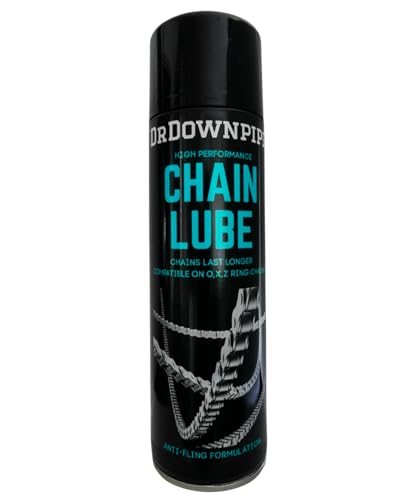
As an Amazon Associate we earn from qualifying purchases.