


Fish stringers are a simple piece of fishing kit, but choosing one still involves a few practical decisions. The right option depends on how you fish, how long you expect to keep fish on the stringer, and how easy you want it to be to secure and retrieve them.
This guide focuses on the buying questions that matter most before you compare individual products. It is aimed at anglers who want a straightforward way to narrow the options without assuming that every stringer is suited to every method or environment.
Because designs vary, it helps to think about material, length, attachment style and how the stringer will be handled at the waterside. Specifications vary by model, so always check the individual product page before buying.
Compare Fish Stringers


As an Amazon Associate we earn from qualifying purchases.
What should I look for in a fish stringer?
A good starting point is to match the stringer to the way you fish and the kind of control you want over your catch. A simple stringer may suit occasional use, while a more secure design may be preferable if you want a firmer hold or easier handling. The main trade-off is usually between simplicity and the amount of control or convenience the design provides.
Think first about how it attaches, how easy it is to open and close, and whether the construction feels appropriate for the conditions you expect. After that, check any details that affect handling, such as the length of the line or cord and the style of connector.
| Feature | What it means | Why it matters | What to check |
|---|---|---|---|
| Attachment style | How the stringer is fixed in place | Helps determine how secure and convenient it is to use | Whether it suits your bank, boat or general setup |
| Material | The cord, line or hardware the stringer uses | Affects durability, handling and upkeep | What the product page says about the main materials |
| Length and spacing | How much room the stringer provides | Can affect how comfortably it is used in practice | Any stated length or design details on the listing |
| Fastening method | How fish are held on the stringer | Influences ease of use and confidence when handling | Whether the fastening looks quick to use and appropriate for your needs |
| Portability | How compact it is to carry and pack away | Useful if you travel light or keep gear in a small bag | Overall size, weight and whether it stores neatly |
Key decision criteria
Attachment and placement
Some buyers want a stringer that is easy to secure to a fixed point, while others care more about how unobtrusive it is once in use. The important question is whether the attachment method fits your normal fishing setup. If you move between spots or fish from different platforms, convenience may matter more than a more elaborate design.
Ease of use
A fish stringer should be straightforward to handle when your hands are busy. Look for a design that seems simple to thread, clip or fasten, especially if you expect to use it frequently. The easier it is to operate, the less likely it is to become fiddly at the water’s edge.
Construction and durability
Stringers are usually uncomplicated, but the materials still affect how long they stay usable and how much attention they need. Stronger-looking components may suit regular use, while lighter options can appeal if you only need an occasional solution. Check the listing for the main material description rather than assuming all similar products are built the same way.
Handling and storage
Think about how the stringer will sit in your bag, pocket or tackle storage. A compact design is easier to carry, but it still needs to be practical enough to use quickly when needed. If you keep a lot of small accessories together, a neatly coiling or foldable style may be more convenient.
Types and variants you may see
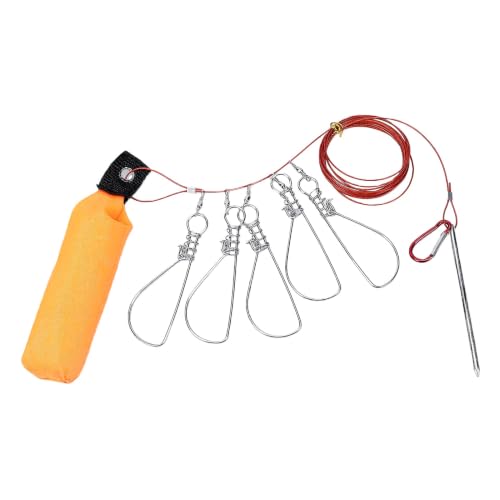
Fish stringers are usually compared by how they fasten and how they are built, rather than by many sharply defined product types. You may see simpler cord-based designs alongside versions with more rigid or specialised hardware. The key difference is often whether the design prioritises simplicity, security or easier handling.
A basic design can suit casual anglers who want something uncomplicated. A more substantial version may suit someone who wants a firmer feel or expects repeated use. The limitation of more specialised styles is that they may be less compact or less simple than a basic alternative.
Which type suits different buyers?
| Buyer need | Feature to prioritise | Why it helps |
|---|---|---|
| Casual or occasional fishing | Straightforward design | Easy to understand, carry and use without much fuss |
| Regular use | Durable construction | Better suited to repeated handling and storage |
| Light packing | Compact size | Fits more easily into a small tackle bag or pocket |
| Ease of handling | Simple fastening method | Makes it quicker to secure and retrieve fish |
| Neater storage | Foldable or tidy-form design | Helps keep accessories organised |
Common mistakes and misunderstandings
Choosing only by appearance: a neat-looking stringer is not necessarily the most practical one. Focus on how it attaches, how it handles and whether it suits your usual fishing conditions.
Ignoring storage needs: even small accessories can become awkward if they tangle or take up more room than expected. Check whether the design looks easy to keep with the rest of your tackle.
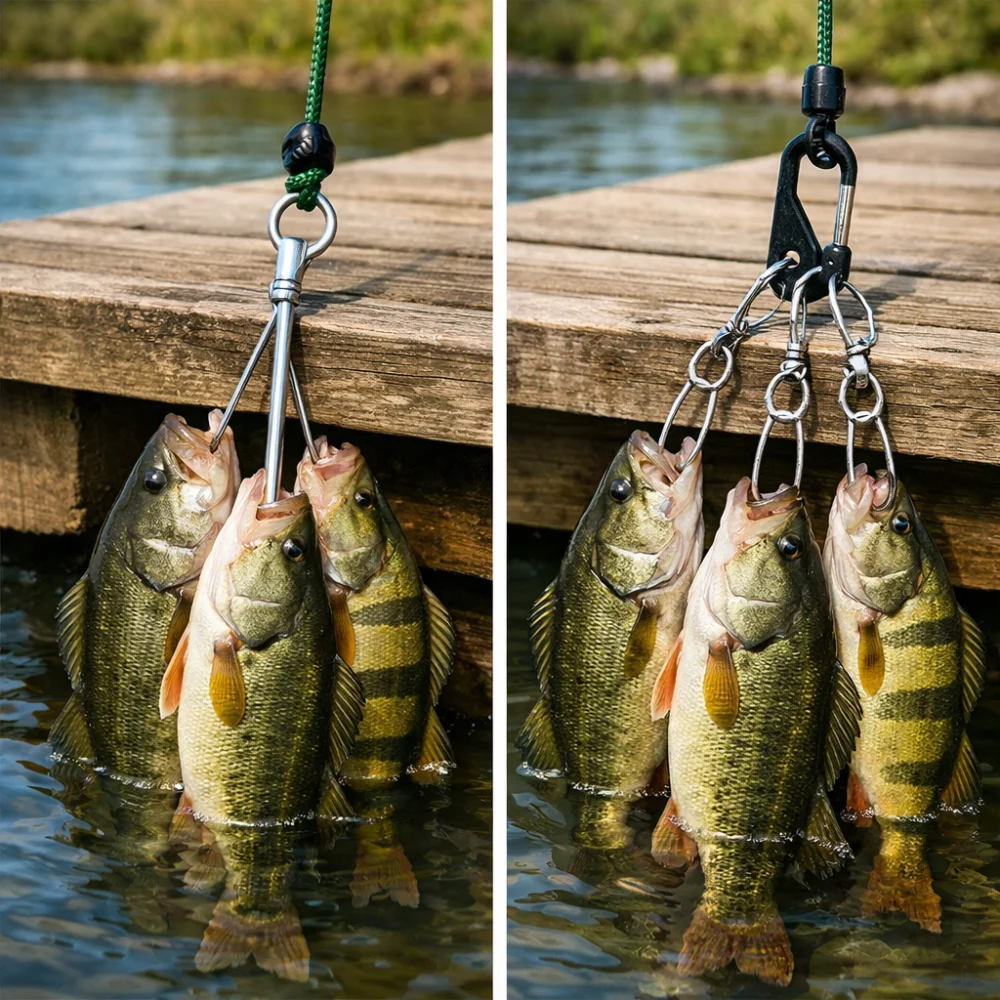
Assuming all models work the same way: the overall category is simple, but the details can still change how easy a stringer is to use. Small differences in fastening or construction can matter more than they first appear.
Overlooking the intended fishing setup: a stringer that works well in one situation may be less convenient in another. Think about where and how you normally fish before deciding.
Safety and suitability caveats
Fish stringers should be chosen with the intended fishing method and local conditions in mind. Make sure any product you consider seems suitable for the way you plan to handle fish, and check the product page for the details that matter most to you. If you are unsure about a design, it is better to choose a simpler option that you understand clearly.
As with any fishing accessory, avoid assuming that a general-purpose design will suit every species, venue or use case. The safest buying choice is the one that matches your actual setup rather than a theoretical ideal.
Maintenance, storage and lifespan
Basic care can make a simple accessory easier to keep in good condition. After use, it is sensible to clean off dirt or residue and store the stringer somewhere dry and tidy. How much care is needed depends on the materials and the way the product is built.
If a design uses moving parts, clips or metal components, those details may need a little more attention than a plain cord. For most buyers, the main consideration is whether the stringer looks easy to keep clean and ready for the next outing.
How to compare options efficiently
- Decide how and where you are most likely to use the stringer.
- Choose the general design that seems easiest to handle for that setup.
- Compare the attachment method, materials and overall size.
- Weigh convenience against durability rather than focusing on one feature alone.
- Check the individual product page for the specific details before deciding.
Buyer decision checklist
- Does the attachment style suit your normal fishing setup?
- Does the fastening method look easy to use?
- Are the materials appropriate for the level of use you expect?
- Is the size convenient for your tackle storage?
- Does the design match the kind of fishing you actually do?
- Have you checked the individual product page for the exact details?
Frequently asked questions
What is a fish stringer used for?
A fish stringer is a simple fishing accessory used to secure fish after they have been caught. Buyers usually compare them by attachment style, ease of use and how convenient they are to carry. The most suitable choice depends on your fishing setup and how often you expect to use it.
Are fish stringers all the same?
No, even if they look similar at first glance, details such as fastening method, materials and overall construction can vary. Those differences affect convenience, durability and handling. It is worth checking the individual product page rather than assuming one design is interchangeable with another.
What matters more: simplicity or durability?
That depends on how often you will use the stringer and how much handling it will get. Occasional users may prefer a simple, compact design, while regular anglers may put more weight on durability. The right balance is the one that fits your routine.
Should I choose the smallest option?
Not always. A very compact design is easier to carry, but it still needs to be practical when you are actually using it. It is usually better to choose the smallest option that still feels easy to handle and suitable for your setup.
Do I need to match the stringer to a particular fishing style?
It is sensible to do so where possible. A stringer that suits one style of fishing may be less convenient in another, especially if your setup changes between venues or trips. Checking the attachment and handling details helps you avoid that mismatch.
How much should I rely on the product title?
Use the title as a broad guide, but not as the full description of how the item performs. The useful details are usually in the product page information, such as materials, size and any design notes. Specifications vary by model, so always check the individual product page before buying.
Match the stringer format to your fishing method
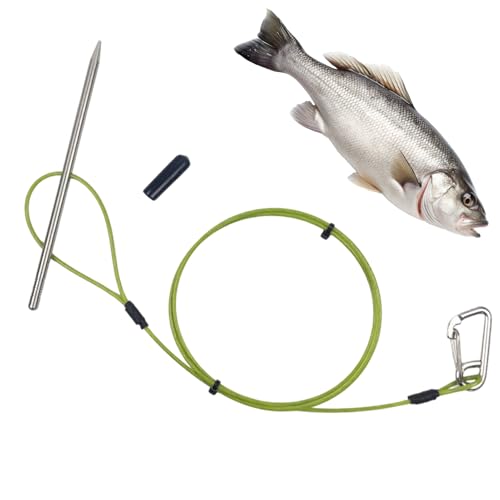
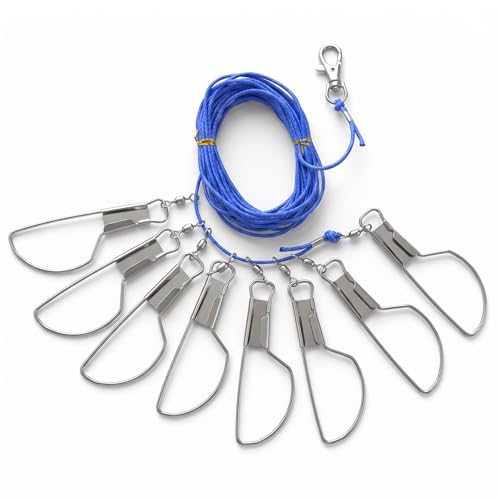
Fish stringers can differ in how they retain a catch. A line or cord design may use a clip or other fastening, while a rigid holder or pointed peg works differently. Some designs are intended for spearfishing rather than general angling, so do not assume that a product described as a stringer suits both.
Before choosing, look for a clear statement of the intended use and check how the fish is held, how the stringer attaches to your setup and whether those details fit your method. If the product information does not make its purpose clear, avoid inferring it from the title or appearance alone.
More Fish Stringers
See all 84 Fish Stringers →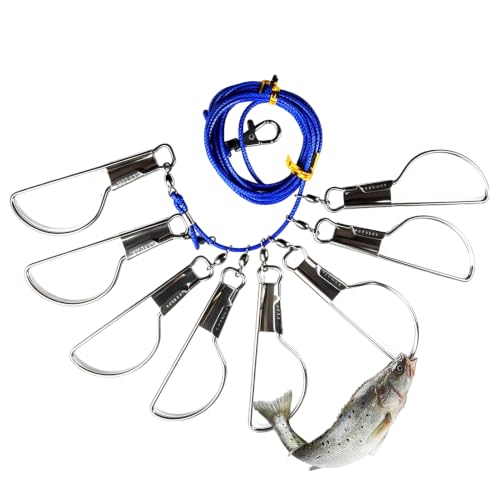


As an Amazon Associate we earn from qualifying purchases.