


Fly line choice can make a noticeable difference to how a rod loads, how a cast unfolds and how the fly behaves on the water. If you are building a new setup, replacing worn line or refining an existing outfit, it helps to look past the packaging and focus on how the line is intended to fish.
Because fly lines vary by taper, sink rate and overall purpose, the right choice depends on more than rod length or brand. It is usually better to start with the kind of fishing you do, then check the line rating and design details that suit that use.
This guide keeps the decision practical. It covers what fly lines do, which features matter most and how to compare options without overcomplicating the choice.
Compare Fly Lines


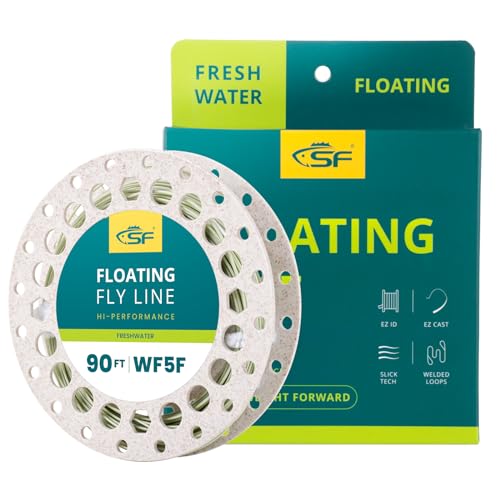


As an Amazon Associate we earn from qualifying purchases.
What should you look for in a fly line?
Start with the line type that matches your rod and your fishing conditions, then look at taper, density and intended use. The most useful line is not the most specialised one, but the one that suits your casting distance, flies and water. Specifications vary by model, so always check the individual product page before buying.
For many anglers, the main trade-off is between easy, general-purpose handling and a line designed for a more specific task such as delicate presentation or deeper fishing.
| Feature | What it means | Why it matters | What to check |
|---|---|---|---|
| Line type | The general design intended for a particular style of fly fishing | Helps match the line to the way you cast and fish | Look for the intended use described on the product page |
| Taper | How the line’s weight is distributed along its length | Affects casting feel, turnover and presentation | Check whether it is presented as a more general or more specialised taper |
| Sink behaviour | Whether the line floats or is designed to sink | Influences how the fly fishes at different depths | Confirm whether the line is floating, sinking or another variant |
| Line rating | The weight class the line is made to pair with | Helps the rod and line work together properly | Match the line rating to the rod recommendation where relevant |
| Fishing environment | Where the line is expected to be used | A line for stillwaters may not suit the same use as one for rivers | Check the product description for the intended water or technique |
Key decision criteria explained
Match the line to the rod
The most important check is whether the line is suitable for the rod you plan to use. Fly line weight and rod rating are closely linked, and mismatches can make casting feel awkward even if the setup technically fits together. If you are unsure, start with the rod maker’s recommendation or the general line weight guidance given by the retailer.
Choose the taper for the kind of cast you make
Taper affects how energy moves through the line. Some tapers are more forgiving and easy to use for general fishing, while others are designed to turn over flies in a more controlled way or help with specialised presentations. A taper that feels smooth at short range may behave differently when you need longer casts or more delicate landings.
Decide how you want the line to fish in the water
Floating lines suit many everyday situations because they stay near the surface and are often easier to mend and control. Sinking styles are chosen when the aim is to reach deeper water or keep flies down for longer. If your fishing changes often, consider how much flexibility you want from one line compared with a more specialised option.
Think about the kind of water you fish
The same line can feel very different on a river, stillwater or other venue. Wind, current and the distance you normally cast can all affect which line characteristics feel easiest to use. A line that is ideal for close control may not be the easiest choice if you frequently need longer presentations.
Common fly line types and variants
There is plenty of variation within fly lines, but the main distinctions usually come down to how the line presents the fly and where it sits in the water.
- Floating lines are widely used and suit many general-purpose setups. They are often the simplest starting point, especially if you want one line that covers a broad range of fishing.
- Sinking lines are designed to get down through the water column. They may suit situations where depth matters more than surface presentation.
- More specialised tapers can help with specific casting styles or fishing situations. Their advantage is precision, but their limitation is that they are less versatile than a general-purpose line.
If you are choosing your first line for a setup, a versatile option is often easier to live with than a very specialised one. If you already know exactly how you fish, a more targeted design can make sense.
What suits different buyers?
| Buyer need | What to prioritise | Why |
|---|---|---|
| Beginner setting up a first outfit | Clear rod match, forgiving taper, straightforward line type | Makes the setup easier to learn with and reduces guesswork |
| Angler replacing old line | Compatibility with the current rod and preferred fishing style | Helps avoid changing the feel of the outfit more than necessary |
| Angler fishing at different depths | Whether a floating or sinking style better suits the main venue | Depth choice has a bigger effect than many buyers expect |
| Angler wanting more precise presentation | Taper and turn-over characteristics | These affect how delicately and accurately the fly lands |
Whatever your level, it helps to decide whether you want one broad-use line or a more focused fishing tool. That simple question usually narrows the options quickly.
Common mistakes and misunderstandings
- Buying by line type alone. A line can be floating or sinking and still be unsuitable if the rating or taper does not suit the rod and fishing style.
- Assuming one line works everywhere. A general-purpose line is useful, but specific waters and presentations may benefit from a different design.
- Overlooking the rod recommendation. The rod-line match is one of the easiest checks to make and often one of the most important.
- Expecting a specialised line to feel better in every situation. Specialised features often improve one kind of fishing while making another kind less convenient.
Safety and suitability caveats
Fly line choice is mostly about performance and suitability rather than safety, but it still pays to check the product description carefully. Make sure the line is intended for the rod and fishing method you plan to use, and do not assume that terms such as floating or sinking mean the same thing across every model.
Specifications vary by model, so always check the individual product page before buying.
Maintenance, storage and lifespan considerations
Fly lines are exposed to water, dirt and repeated handling, so condition matters. Line care expectations vary, but buyers should think about how often they will use the line, whether it will be stored on a reel and whether they are happy to replace or maintain it as it wears. A line that is easy to look after may be more practical for frequent use than one chosen purely for a niche feature.
If you are comparing options, it can also help to consider whether your fishing style is likely to change soon. A line that suits your current setup but not a future rod or venue may be a short-term solution.
How to compare options efficiently
- Start with the rod and the kind of fishing you do most often.
- Decide whether you need a floating line, a sinking line or another specific style.
- Check the taper and line rating against your casting needs.
- Look for any notes about the intended water or presentation style.
- Shortlist the lines that suit your setup best, then compare the product-page details.
Fly line buyer checklist
- Does the line match your rod rating or the maker’s guidance?
- Does the line type suit the way you actually fish?
- Is the taper appropriate for your casting style?
- Do you need a floating or sinking design?
- Have you checked the product page for any model-specific details?
- Will the line suit your main water and usual presentation?
Frequently asked questions
What is the most important thing to check first?
Start with rod compatibility, because the line and rod need to work together well. After that, think about whether the line type matches your fishing situation. Those two checks remove a lot of unsuitable options quickly.
Is a floating line always the best choice for beginners?
Not always, but it is often the simplest starting point because it suits many general uses. A beginner may still choose something else if they have a clear reason, such as fishing deeper water more often. The best starting point is the one that fits the main way you plan to fish.
Why does taper matter so much?
Taper affects how the line carries energy and turns over the fly. That changes how the rod feels, how easily the cast forms and how the fly lands. A small difference in taper can change the overall character of the setup quite a lot.
Can one fly line cover every situation?
One versatile line can cover a broad range of fishing, but it will always involve some compromise. General-purpose lines are easier to live with, while more specialised lines can work better in a narrower set of conditions. The right balance depends on how varied your fishing really is.
Should I choose a line based on water type or fly size?
Both matter, but water type and presentation often shape the first choice more strongly. Fly size can influence how the line turns over, yet the main decision is usually whether you need to fish near the surface, deeper down or with a particular style of cast. If those needs are clear, the rest becomes easier to narrow down.
Do I need to replace a fly line often?
That depends on how much you use it, how it is stored and how well it is looked after. A line that is heavily used or frequently exposed to dirt and abrasion may need replacing sooner than one used less often. It is sensible to inspect the product page details and think about long-term practicality as well as first-time choice.
More Fly Lines
See all 74 Fly Lines →


As an Amazon Associate we earn from qualifying purchases.