


Fishing scales are a straightforward but useful part of an angler’s kit, whether you want to record catches, compare specimens or keep better track of what you land. The right choice depends less on flashy extras and more on how easy the scale is to use, how clearly it reads and how well it suits the way you fish.
If you only weigh fish occasionally, a simple design may be enough. If you fish more often, or you want less fuss when handling a catch, it can be worth paying closer attention to grip, display style and how the scale is held or suspended.
Compare Fishing Scales


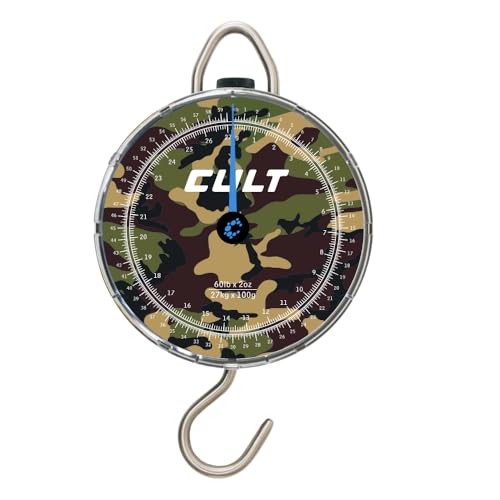


As an Amazon Associate we earn from qualifying purchases.
What should you look for in fishing scales?
The main decision is usually between simplicity and convenience. A basic scale can be perfectly adequate if you only need an occasional reading, while a more refined design may make repeated weighing quicker and easier to manage. The best starting point is to think about how often you will use it and whether you need a reading that is easy to see at a glance.
Specifications vary by model, so always check the individual product page before buying.
| Feature | What it means | Why it matters | What to check |
|---|---|---|---|
| Reading style | How the weight is shown to you | A clearer display can make weighing quicker and reduce uncertainty | Look for a style that is easy to read in the conditions where you fish |
| Handling method | How the scale is held, gripped or suspended | Comfort and control matter when you are managing a fish and other kit at the same time | Check that the design suits your preferred way of weighing |
| Practical size | The overall form and how easy it is to carry | A compact tool is simpler to pack and keep close at hand | Consider storage space, portability and how often you will carry it |
| Ease of use | How simple it is to operate in real conditions | Fishing often involves damp hands, movement and limited space | Look for straightforward controls and a layout that makes sense quickly |
| Durability expectations | How robust the scale feels for regular outdoor use | Outdoor gear needs to cope with being transported and used beside water | Check materials, build description and any care guidance on the product page |
Key decision criteria explained
Accuracy and readability
For most buyers, the most important thing is not just whether the scale gives a reading, but whether that reading is easy to interpret when you need it. If you weigh fish only occasionally, a simple display may be enough. If you use a scale more often, readability becomes more valuable because it reduces hesitation and repeated checking.
Portability and storage
Some anglers want the smallest possible tool for a tackle bag or pocket, while others are happy with something a little larger if it is easier to handle. Portability matters most if you move between swims, travel light or like to keep your kit tidy. A compact scale is not always the easiest to use, so there is often a trade-off between convenience in transit and comfort in use.
Comfort and handling
Fishing scales should feel manageable in the hand and practical alongside the rest of your kit. A secure, comfortable grip can make a simple job easier, especially if conditions are damp or you are dealing with other equipment at the same time. The key question is whether the design suits the way you actually fish, not whether it looks more technical.
Build and care expectations
Outdoor tools are exposed to moisture, mud and general knockabout use, so it is worth checking how the scale is meant to be stored and cleaned. A sensible choice should be easy to look after without demanding much attention. If you want a low-fuss option, pay close attention to the product description for any care notes or storage guidance.
Types and variants you may see
Fishing scales are usually chosen more by style and handling than by dramatic technical differences. In broad terms, shoppers tend to compare simple handheld options with more feature-led designs that aim to make weighing quicker or more convenient.
- Simple scales suit anglers who want a direct, easy-to-understand tool with minimal fuss.
- More convenient handling designs may suit people who weigh fish regularly and want the process to feel smoother.
- Compact travel-friendly options are useful if you want to keep tackle light and organised.
The main limitation of any variant is usually trade-off rather than outright weakness: the easiest scale to carry is not always the easiest to read, and the simplest design is not always the quickest to use.
Which type suits different buyers?
| Buyer need | What tends to matter most | Practical focus |
|---|---|---|
| Occasional angler | Simplicity and ease of use | Choose a design that is straightforward to read and store |
| Frequent angler | Comfort, speed and consistency | Look for a scale that feels reliable in repeated use |
| Travel-light angler | Compact size | Prioritise portability and a tidy fit in your kit |
| Buyer replacing older kit | Clearer handling and better practicality | Compare the current design with what felt awkward about the old one |
| Gift buyer | Broad usability | Pick a simple, general-purpose option unless you know the recipient’s preferences |
Common mistakes to avoid
- Choosing on appearance alone. A neat-looking tool is not necessarily the easiest to use on the bank or at the waterside.
- Ignoring readability. If the display or readout is awkward, the scale becomes more frustrating than useful.
- Overlooking storage needs. A larger design may be fine at home but less convenient in a packed tackle bag.
- Assuming all scales suit all anglers. The best choice depends on how often you fish and how you prefer to handle your kit.
Suitability and care considerations
Fishing scales are generally simple buying decisions, but they still need to suit the conditions you fish in. If you fish in wet or muddy environments, it is worth checking how the scale is described for outdoor use and what kind of care it needs after use. Specifications vary by model, so always check the individual product page before buying.
It is also sensible to think about where the scale will be kept when not in use. A clean, dry storage space helps protect any outdoor tool and makes it easier to grab when you next need it.
How to compare options efficiently
- Start with how often you will use the scale and how much convenience matters.
- Decide whether compact size or easier handling is the bigger priority.
- Compare readability, grip and general ease of use rather than focusing on appearance alone.
- Check the product page for any care notes, storage guidance or model-specific details.
- Choose the option that fits your fishing style without adding unnecessary complexity.
Summary buyer checklist
- Does the scale suit occasional use or regular use?
- Is the reading style easy for you to interpret?
- Will the size fit your tackle bag or pocket?
- Does the handling style match how you prefer to weigh fish?
- Have you checked the model-specific details before buying?
Frequently asked questions
Do I need a fishing scale if I only fish occasionally?
Not every angler needs one, but many people find it useful for occasional catches, especially if they like to keep a record or compare fish over time. If you rarely weigh fish, a simple model is usually easier to live with than a more feature-heavy design.
What matters more: compact size or easier reading?
That depends on how you fish. If you travel light, compact size may be the priority; if you want quick, confident readings, clarity and ease of use matter more. In many cases there is a compromise between the two.
Are more complicated scales always better?
Not necessarily. More features can be useful, but they also add complexity and may be unnecessary if you only need a basic reading. The best choice is the one that matches your normal fishing routine.
Can I use any scale for fishing?
Not always in a practical sense. A general weighing tool may work for some tasks, but fishing-specific designs are usually chosen because they are easier to manage around tackle, wet hands and outdoor conditions. Check that the design suits the way you plan to use it.
How important is build quality in fishing scales?
Quite important, because outdoor gear is likely to be carried, stored and used in less-than-perfect conditions. You do not need to overcomplicate the decision, but it is sensible to look for a scale that feels robust and is easy to keep clean.
What should I check before buying a fishing scale online?
Focus on the reading style, handling method, size and any care guidance in the product details. If anything is unclear, compare the product description with how you actually fish rather than assuming every model works the same way.
Is a lightweight scale always the most practical choice?
Lightweight kit is convenient, but the lightest option is not always the easiest to read or handle. A slightly larger design may be more comfortable and practical if you use it often.
More Fishing Scales
See all 92 Fishing Scales →

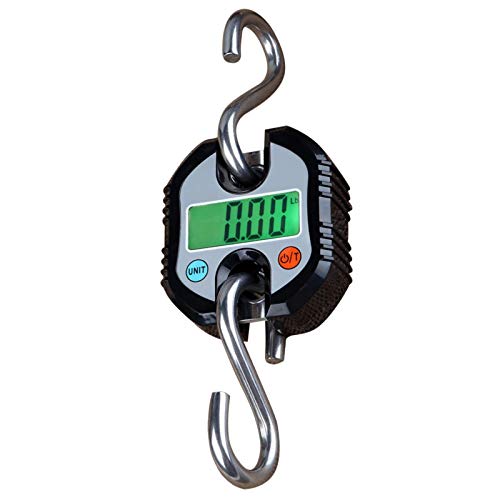


As an Amazon Associate we earn from qualifying purchases.