Quick Summary
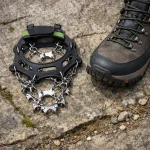
Crampons for Shoes with 28 Stainless Steel Spikes are ice cleats for shoes and boots. They use 28 stainless steel spikes per foot, a chain system and two adjustable straps to help keep them positioned on the footwear. The design is aimed at grip on ice, snow and other slippery ground.
The pair is described as flexible and foldable for easier carrying, with silicone and stainless steel used in the construction. The stated temperature flexibility goes down to -30℃ (-22℉).
Key Details
| Detail | Verified information and buyer relevance |
|---|---|
| Product type | Crampons / ice cleats for shoes and boots. |
| Spikes | 28 stainless steel spikes per foot, which is the main traction feature. |
| Fit system | Two adjustable straps for a more secure position on footwear. |
| Construction | Elastic silicone and stainless steel spikes. |
| Temperature claim | Stated to remain flexible to -30℃ (-22℉). |
| Portability | Designed to fold into a small package for easier carrying. |
What to Compare Before Buying
- Footwear fit: Check that the strap system works with the shoes or boots you plan to use.
- Traction need: The 28-spike layout is the key feature, so compare that with the grip level you want for ice or snow.
- Portability: If you want something to keep in a backpack, the foldable design is relevant.
- Intended ground: These are described for slippery surfaces such as ice, snow, wet grass and muddy ground.
- Temperature use: Compare the stated low-temperature figure with the conditions you expect to face.
Common Buyer Questions
Do they fit both shoes and boots?
They are described for use with shoes and boots, with adjustable straps to help position them on footwear.
Are they easy to carry?
Yes. The pair is described as flexible and foldable, so it can be packed into a small space.
What surfaces are they aimed at?
They are described for ice, snow, icy roads, muddy ground and wet grass.
Before You Decide
Check that the strap system suits the footwear you plan to wear. Compare the 28-spike design with the grip level you need for your usual ground conditions. If low-temperature flexibility matters, confirm the stated -30℃ (-22℉) figure against your intended use.