


Sailing gloves can help make handling ropes and other deck tasks more comfortable, but the right choice depends on how much finger coverage, dexterity and warmth you want. A glove suited to one person or type of sailing may feel restrictive or insufficient for another.
Use this guide to compare common designs and fit considerations, then check the details of an individual product before deciding. The aim is to match the glove to your intended use, not to assume that one style suits every boat or sailor.
Compare Sailing Gloves



As an Amazon Associate we earn from qualifying purchases.
What should you look for in sailing gloves?
Start with the balance between finger coverage and fingertip freedom. Consider how the gloves fit, what the palm construction is intended to do, and whether you need extra warmth or a particular level of water resistance. Check each product’s description and sizing information, as these details differ between models.
Compare the main buying factors
| Feature | What it means | Why it matters | What to check |
|---|---|---|---|
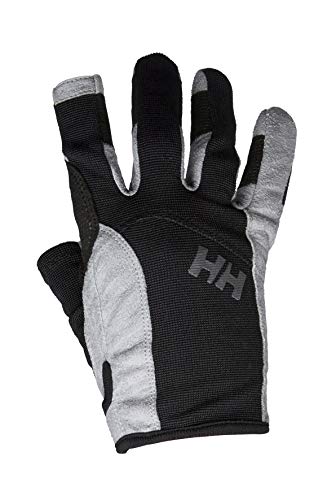
| Finger coverage | Gloves may leave fingertips exposed or cover more of the fingers. | More exposed fingertips can make fine handling easier; greater coverage may suit buyers who prefer more of the hand covered. | Look closely at the product description or images to see which fingers are covered. |
| Fit and sizing | Size, cut and shape affect how the glove sits on your hand. | A comfortable, secure fit matters for handling tasks; a poor fit may feel awkward or limit movement. | Use the stated size guidance and check how the maker recommends measuring, if provided. |
| Palm construction | Some designs describe reinforced or grippy areas on the palm. | Palm details may affect feel and handling, but they are not identical across gloves. | Check which areas are reinforced and what the product description says they are for. |
| Material and warmth | Materials and lining can vary between designs. | These affect how a glove feels and whether it suits the conditions you expect to encounter. | Review the stated materials and any specific guidance about intended conditions. |
| Water-related claims | Some products use terms such as waterproof or describe use in wet conditions. | Such wording can influence suitability, but a category label alone does not establish a rating or guarantee. | Check the individual product information for the exact claim and any stated limitations. |
Choosing the details that matter
Finger coverage and dexterity
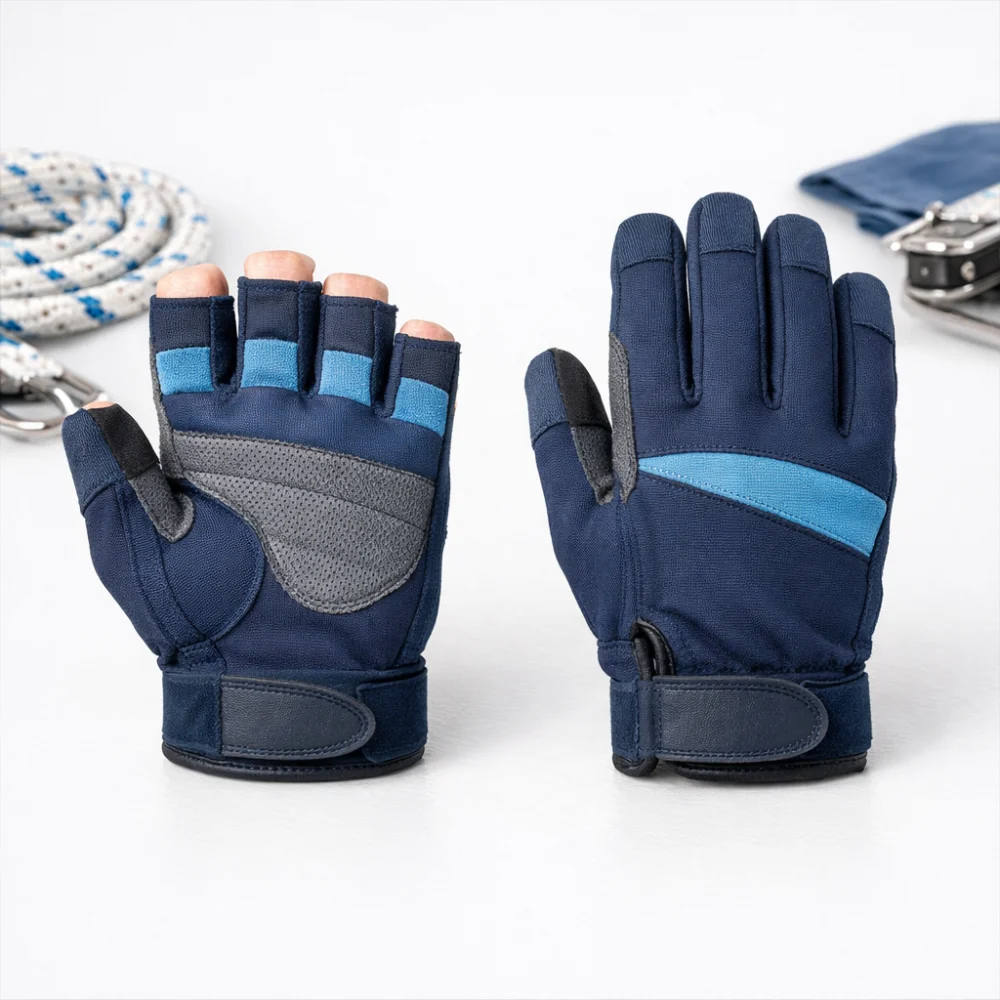
Short-finger or fingerless designs leave some fingertips exposed, which may suit tasks where fingertip feel is a priority. Longer coverage may appeal if you would rather keep more of your fingers covered. The trade-off is personal: consider the tasks you expect to do and whether covered fingertips would get in the way of precise handling.
Specifications vary by model, so always check the individual product page before buying.
Fit and sizing
Use the product’s own size guide rather than assuming that a size from another brand will fit the same way. Check whether measurements are required and how the guide says to take them. If you are between sizes, look for any fit advice supplied for that specific glove instead of guessing from the size label alone.
Palm design and grip
Descriptions may mention a grip palm or reinforced palm areas. Compare the stated coverage and placement, as well as the glove’s overall construction. A feature name by itself does not tell you how a glove will feel for your particular tasks, so treat it as a point to investigate rather than a promise of performance.
Warmth and conditions
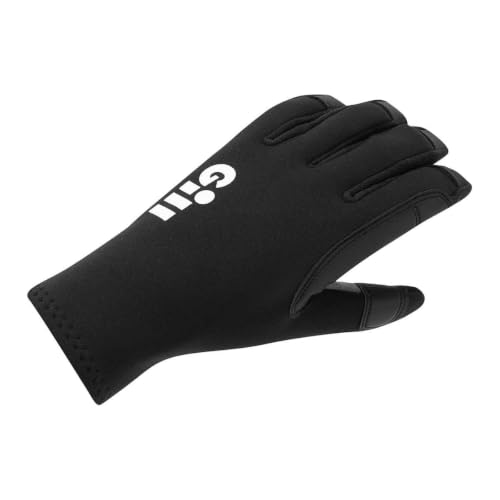
Think about whether your priority is hand coverage, dexterity or additional warmth. Gloves described as neoprene or intended for colder or wetter conditions may differ in feel and flexibility from lighter designs. Check the material and intended-use information; do not infer a precise temperature range or level of water protection unless the product details state it.
Common sailing glove types
- Short-finger or fingerless gloves: Leave some fingertips exposed and may suit buyers who value fingertip access. They provide less finger coverage than a full-finger design.
- Long-finger gloves: Cover more of the fingers and may suit those who prefer that feel. Check whether the fingertips are fully covered or partly exposed, as descriptions can distinguish between these designs.
- Neoprene or weather-focused gloves: May be presented for particular conditions or added coverage. Check the specific material, claims and intended use; the wording does not establish a universal level of warmth or waterproofing.
Which gloves may suit your needs?
- For tasks where fingertip feel matters: Compare short-finger options and check how much of each finger is exposed. Balance access to your fingertips against the coverage you want.
- For more finger coverage: Consider long-finger designs, checking whether the fingertips are fully enclosed or left exposed.
- For varied or cooler conditions: Compare material and warmth descriptions, and consider whether added coverage is worth any reduction in fingertip freedom.
- For a first pair or a replacement: Start with the tasks and fit that matter most to you. If replacing gloves, use your experience with the previous pair to identify what you would keep or change, rather than relying on its size label alone.
Mistakes and misunderstandings to avoid
- Choosing by finger length alone: Coverage is important, but also check fit, palm design and intended conditions.
- Assuming all short-finger designs expose the same areas: Check the product description or images for the actual coverage.
- Treating a material or feature name as a guarantee: Terms such as “grip” or “waterproof” need to be read alongside the product’s specific description and any stated limitations.
- Guessing the size: Use the individual size guide; sizing may differ between designs.
- Expecting one pair to suit every task and condition: More coverage, warmth and fingertip freedom involve different priorities. Decide which matter most for your use.
Suitability and safety
Choose gloves for their stated intended use and consider whether their coverage and fit suit the tasks you have in mind. Gloves should not be assumed to replace other equipment or precautions required for a particular activity. If a product’s stated use or suitability is unclear, check its information before buying.
Care and storage
Care requirements depend on the materials and construction. Follow the product’s care instructions, and check any guidance about cleaning or drying before use. Store gloves in a way that follows the maker’s recommendations; avoid assuming that every material should be treated identically.
A simple buying process
- List the sailing tasks and conditions you want the gloves for.
- Decide how much finger coverage you prefer and how much fingertip freedom you need.
- Compare fit guidance, palm details and material information for suitable designs.
- Weigh the trade-offs between coverage, warmth and dexterity.
- Check the individual product description, size guidance and care information before making a decision.
Sailing gloves buyer checklist
- Have I chosen the finger coverage that suits my tasks?
- Have I checked the product-specific size guide?
- Do I understand the stated palm and material details?
- Are any claims about warmth or water resistance clearly described?
- Have I checked intended use and care guidance?
Frequently asked questions
Are short-finger and fingerless sailing gloves the same?
The terms can describe gloves that leave some fingertips exposed, but the exact coverage may vary. Check the product description or images to see which fingers are covered.
Should sailing gloves cover all my fingers?
That depends on your preference for coverage and fingertip access. Compare the tasks you expect to do with the design shown in the product information.
How do I choose the right size?
Follow the size guide for the specific glove and use its measurement instructions if provided. Do not assume that the same size label will fit identically across different designs.
Are sailing gloves waterproof?
Not necessarily. Check the individual product information for any water-resistance claim and its stated limitations; the category name alone does not confirm waterproofing.
How should I care for sailing gloves?
Follow the care instructions supplied for the specific materials and construction. If cleaning or drying guidance is provided, use that rather than assuming all gloves need the same treatment.
More Sailing Gloves
See all 57 Sailing Gloves →


As an Amazon Associate we earn from qualifying purchases.