


A bike saddle is the seat that supports you while riding, but there is no single shape or level of padding that suits everyone. Your riding position, the type of rides you do and how the saddle fits your body all affect which features are worth considering.
Whether you are replacing a worn saddle or choosing one for a different kind of cycling, compare its dimensions and design with your needs and the way your bike is set up. A saddle that looks soft or generously padded is not automatically the most comfortable choice for every rider.
Compare Bike Saddles




As an Amazon Associate we earn from qualifying purchases.
What should you look for in a bike saddle?
Start with the position you ride in and whether the saddle is intended for a similar style of cycling. Check the saddle’s width, shape and mounting compatibility, then consider padding and pressure-relief features as personal preferences rather than guarantees of comfort. The best choice is the one whose design suits your intended use and can be fitted to your bike.
Compare the main saddle features
| Feature | What it means | Why it matters | What to check |
|---|---|---|---|
| Width and shape | The saddle’s overall dimensions and profile. | These affect where your body is supported and how the saddle feels in your riding position. | Check the listed dimensions and compare them with a saddle you find suitable, if possible. |
| Padding | The amount and type of cushioning described for the saddle. | More padding may feel appealing at first, but comfort depends on fit, position and the individual rider. | Read the product details; do not treat a “soft” or “gel” description as a promise of comfort. |
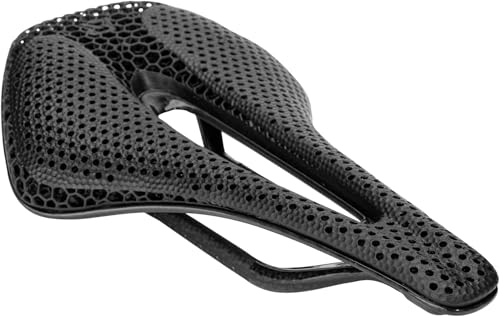
| Relief features | A channel, recess or cut-out in the saddle’s upper surface. | These features alter the contact area and may suit some riders’ preferences. | Check the shape and location shown in the product information, and consider whether it suits your needs. |
| Cover and construction | The outer surface and stated construction materials. | These can affect feel, grip and the care the saddle may need. | Check the stated materials and any specific care or weather guidance. |
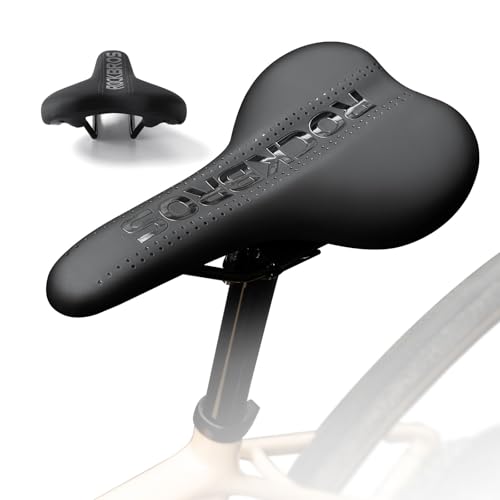
| Mounting compatibility | How the saddle attaches to the bike’s seatpost assembly. | Saddles and seatpost clamps need to work together. | Check the rail or mounting details and confirm they suit your existing seatpost arrangement. |
How to choose the right saddle
Match the shape to your riding position
A more upright position and a forward-leaning position place your body differently on the saddle. Look for a design intended for a comparable style of riding, but treat labels such as “touring” or “mountain” as useful context rather than proof of fit. If you can, compare the saddle’s profile and dimensions with one that has worked well for you.
Consider width and support
Saddle width affects where your body rests, so compare the stated width with your needs rather than choosing by appearance alone. A broader saddle is not automatically better, and a narrow one is not automatically suitable for a more athletic position. If you are unsure how to judge the fit, a knowledgeable cycle retailer or bike fitter may be able to help assess your riding position and saddle choice.
Different saddle profiles can change where support is provided and how the rider sits on the saddle.

Balance padding with shape
Padding descriptions can help you compare designs, but cushioning by itself does not determine comfort. A thickly padded saddle may not suit every rider or riding position, while a firmer design may feel preferable to someone else. Consider padding alongside the saddle’s width and profile, and avoid relying on a single feature to predict how it will feel on longer rides.
Check construction and mounting details
Check the stated materials and whether the product information gives any care guidance, particularly if the bike is stored outdoors or used in wet conditions. Before buying a replacement, confirm that its mounting arrangement is compatible with your seatpost. Specifications vary by model, so always check the individual product page before buying.
Common saddle types and design variations
Saddles may be described by intended riding style, such as road, touring or mountain biking. These labels can help narrow the search, but riders and bike setups differ, so compare the actual shape and dimensions as well.
- More supportive or comfort-oriented designs: These may appeal to riders who prefer a broader profile or more cushioning. They are not a guaranteed solution to discomfort, and their shape still needs to suit the rider’s position.
- Sport-oriented designs: These may have a slimmer profile for a more forward riding position. Consider whether that shape matches how you ride before choosing on the basis of the label.
- Relief-channel or cut-out designs: These change the saddle’s contact area. Whether the feature suits you is personal, so compare its position and shape rather than assuming all relief designs feel alike.
Choose for your riding needs
| Your priority | Features to compare | Trade-off to consider |
|---|---|---|
| Replacing a familiar saddle | Width, profile and mounting details similar to your current setup. | A similar appearance does not guarantee identical dimensions or feel. |
| Longer or mixed-surface rides | Shape and stated intended use, alongside comfort preferences. | A comfort-oriented label cannot predict how a saddle will feel over time. |
| A more forward riding position | A profile described for a comparable riding style, plus its dimensions. | A slimmer design may not suit a more upright position or every rider. |
| A child’s bike | Suitable dimensions and mounting compatibility for the particular bike. | Do not assume an adult saddle will suit a child’s bike or rider. |
Mistakes and misunderstandings to avoid
- Choosing by padding alone: Compare the complete shape and width too; cushioning does not guarantee a good fit.
- Assuming a category label ensures suitability: Use intended-use descriptions as a starting point, then check the actual design and dimensions.
- Overlooking the mounting arrangement: Confirm compatibility with the bike’s existing seatpost assembly before choosing a replacement.
- Expecting a new saddle to correct every comfort issue: Riding position and bike setup also affect how a saddle feels, so consider these factors when comparing options.
Safety and suitability
Choose a saddle intended for the bike and riding use in question, and make sure its mounting details are compatible with the bike. If you are uncertain about compatibility or whether the saddle is fitted securely, seek help from a qualified cycle mechanic. Do not assume that a particular shape or material is suitable for every rider.
Care and storage
Care requirements depend on the saddle’s stated materials and construction. Check the product information for cleaning or storage guidance, and avoid assuming that a cover described as water-resistant or waterproof needs no further care. If the bike is kept outside, consider the saddle’s stated weather guidance when comparing options.
A simple buying process
- Decide what kind of riding the saddle needs to suit and whether you are replacing an existing one.
- Note the width and profile that have suited you, if you have a useful reference saddle.
- Compare shape, padding and any relief feature as a whole rather than focusing on one claim.
- Check mounting compatibility and the stated materials or care guidance.
- Review the individual product information before deciding whether the trade-offs suit your needs.
Bike saddle buyer checklist
- Does the saddle’s stated intended use broadly match how you ride?
- Have you checked its width and profile rather than judging by appearance alone?
- Are padding and relief features preferences you have considered, not assumed benefits?
- Will its mounting arrangement suit your bike’s existing seatpost assembly?
- Have you read the individual product information and any care guidance?
Frequently asked questions
Is a wider bike saddle always more comfortable?
No. Width affects where support is provided, but comfort also depends on the saddle’s shape, your riding position and personal fit. Compare dimensions rather than assuming wider is better.
Does more padding make a saddle more comfortable?
Not necessarily. Padding is one factor among several, and a softer-feeling saddle may not suit every rider or position. Consider the overall profile and intended use as well.
Are road and mountain bike saddles interchangeable?
The labels describe intended riding styles, not a guarantee of fit or compatibility. Compare the saddle’s shape and mounting details with your riding needs and bike before choosing.
Will a saddle with a cut-out suit everyone?
No single relief design suits every rider. Cut-outs and channels change the saddle’s contact area, so consider their shape and position as part of the overall fit.
How do I know if a replacement saddle will fit my bike?
Check the saddle’s mounting or rail details against the arrangement on your existing seatpost. If the product information does not make compatibility clear, ask a cycle retailer or mechanic before buying.
Should I choose a saddle based on its “comfort” description?
Use that description as a clue, not a guarantee. Compare the stated dimensions, shape and intended use, since comfort is personal and depends on the bike setup too.
Check the saddle rails against the seatpost clamp
Compatibility depends on the saddle’s rail design as well as the seatpost clamp, so a saddle that appears to fit the bike may not suit its existing clamp. Compare the product’s stated rail shape and dimensions with the clamp details, and check whether any change to the seatpost would be needed. If either side is unclear, confirm compatibility with a cycle retailer or mechanic before buying.
More Bike Saddles
See all 62 Bike Saddles →


As an Amazon Associate we earn from qualifying purchases.