


Canopy sidewalls are a simple way to add more shelter, privacy and weather protection to a canopy or similar open-sided setup. They can make a shaded area feel more enclosed, but the right choice depends on how the canopy is built and how you plan to use it.
If you are comparing sidewalls for camping, outdoor events or general garden cover, the main job is to match the wall panel to the frame, the opening you want to close and the level of protection you expect. The details matter more than the product name alone.
Because canopy setups vary, it helps to think first about fit and function, then about convenience and storage. Specifications vary by model, so always check the individual product page before buying.
Compare Canopy Sidewalls


As an Amazon Associate we earn from qualifying purchases.
What should I look for in canopy sidewalls?
The most useful starting point is to decide whether you want partial shelter, a more enclosed setup or simple wind reduction. From there, compare how the sidewall attaches, how much of the canopy it covers and whether the material suits your expected use. A lighter panel may be easier to handle, while a more substantial one may feel better suited to regular outdoor use.
The biggest trade-off is usually between coverage and flexibility. More coverage can improve privacy and weather protection, but it may also reduce airflow and make access less convenient.
| Feature | What it means | Why it matters | What to check |
|---|---|---|---|
| Fit | How the sidewall matches the canopy frame or opening | A poor fit can leave gaps or make fitting awkward | Compatible size, attachment points and intended canopy style |
| Coverage | Whether it closes one side or gives broader enclosure | More coverage can improve shelter but reduce openness | Panel width, height and how many walls are needed for your setup |
| Attachment method | How the wall connects to the canopy | It affects setup speed and how securely the wall stays in place | Fastening style, ease of use and whether it suits your frame |
| Material | The fabric or panel construction | It influences weight, handling and how much shelter you get | General material description and how it is intended to be used |
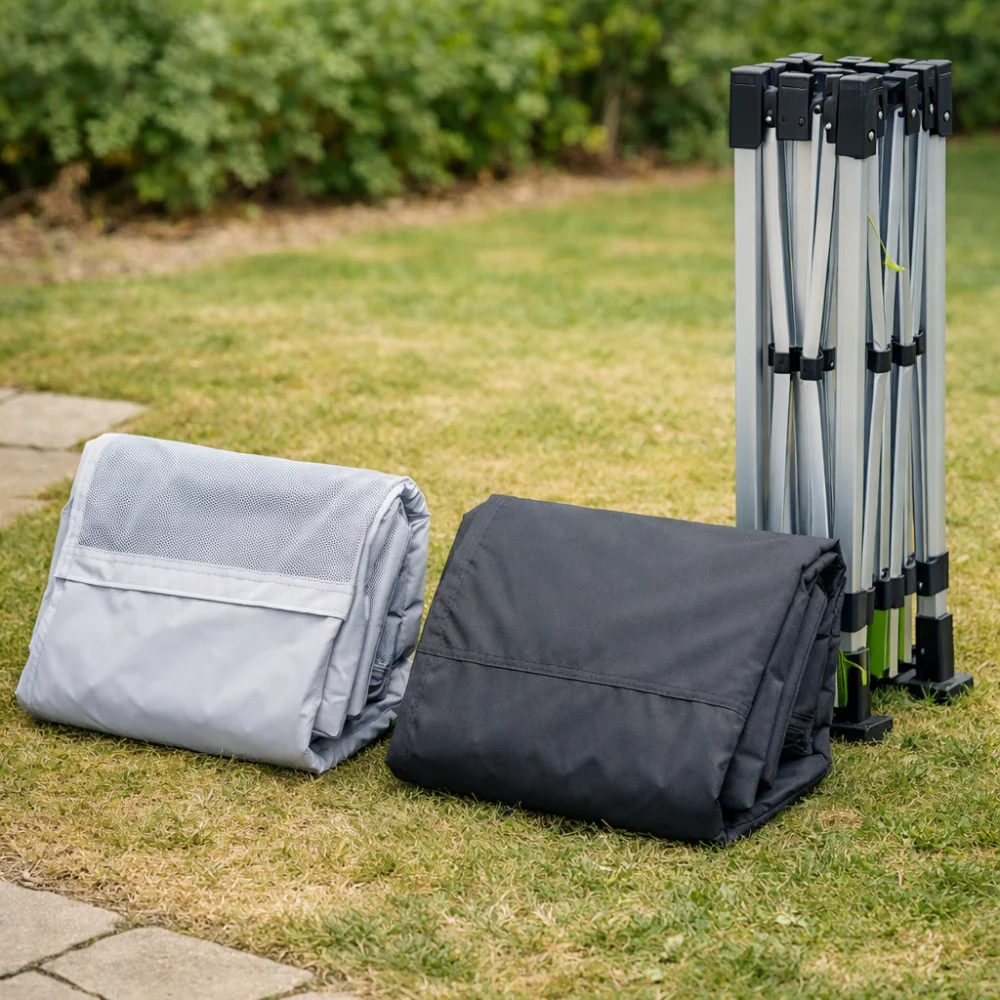
| Storage and portability | How easy the wall is to carry and pack away | Useful if you move the setup often | Packed size, foldability and whether it is practical for your storage space |
| Use case | The setting the sidewall is meant for | Some options suit occasional shade, others suit more regular enclosure | Whether it fits camping, garden use, events or other intended scenarios |
Key decision criteria
Fit and compatibility
Fit is usually the first thing to check because sidewalls are only useful if they attach properly to the canopy you already have or plan to use. Some buyers want a wall that closes one side, while others want multiple panels to create a more enclosed area. Look for the intended canopy type, attachment method and any size guidance on the product page.
Coverage and enclosure
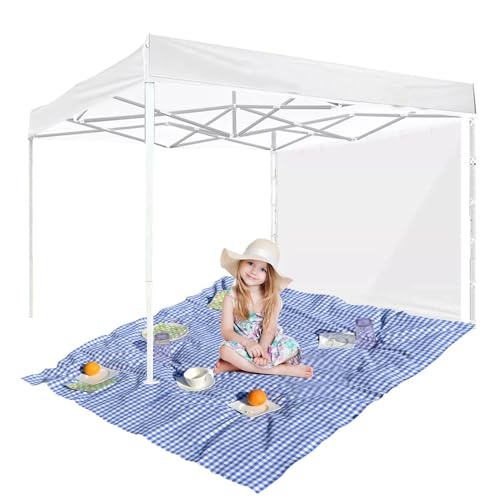
Think about whether you want a barrier against wind, a bit of privacy or a more complete sheltered area. A single wall can be enough for one direction of exposure, but it will not transform an open canopy into a fully sealed shelter. More panels can increase enclosure, though that can also make the space feel less open and airy.
Ease of fitting
Some sidewalls are intended for quick on-and-off use, while others are better if you expect to leave them in place for longer periods. Simpler fastening can be convenient, especially if you are setting up alone. The trade-off is that a very quick attachment may not always be the most secure or the most adaptable option.
Material and weather use
The material helps determine whether a sidewall is better for shade, privacy, mild weather buffering or more regular outdoor use. Do not assume every wall does the same job. Check the product wording carefully and remember that different materials can affect weight, folding and how much light or airflow comes through.
Types of canopy sidewalls
There is usually more variation in purpose than in form. Some sidewalls are mainly about adding a single sheltered side, while others are intended as part of a fuller enclosure. The useful question is not only what it is called, but how many panels you need and how you want the space to feel.
- Single-panel sidewalls: Useful if you mainly want to block one direction of wind or add privacy on one side.
- Multi-panel sets: Better if you want broader enclosure, but they can take longer to fit and store.
- Lightweight utility panels: Suitable when portability and simple handling matter most.
- More substantial panels: Better for buyers who want a more settled setup and do not mind extra bulk.
Which sidewall suits which buyer?
| Buyer need | What to prioritise | Why |
|---|---|---|
| Occasional camping or day use | Simple fitting and easy storage | You are more likely to value convenience than a heavier, more complex setup |
| Privacy around a shared space | Greater coverage and fewer gaps | A sidewall is often chosen to make an open shelter feel less exposed |
| Wind reduction | Coverage on the exposed side and a secure attachment method | Positioning and fit matter more than appearance |
| Frequent setup and pack-down | Light handling and straightforward fastening | Repeated use makes convenience a bigger factor |
| More enclosed outdoor area | Multiple compatible panels | You may need more than one wall to create the space you want |
Common mistakes and misunderstandings
- Assuming all sidewalls fit all canopies: Check the attachment style and intended canopy type rather than relying on the category name alone.
- Choosing more coverage than you need: Extra enclosure can be useful, but it may also reduce airflow and flexibility.
- Overlooking pack size: A wall that seems simple online may still be bulky to store or transport.
- Expecting one panel to solve every weather issue: A sidewall can improve shelter, but it does not make an open canopy the same as a fully enclosed tent or gazebo.
Safety and suitability caveats
Use canopy sidewalls only in ways their design and intended setup support. In windy or exposed conditions, a secure fit becomes more important, so check the product information carefully and make sure it suits the canopy frame you have. If you are using a sidewall outdoors for longer periods, think about ventilation, access and whether the space still meets your needs.
Maintenance, storage and lifespan considerations
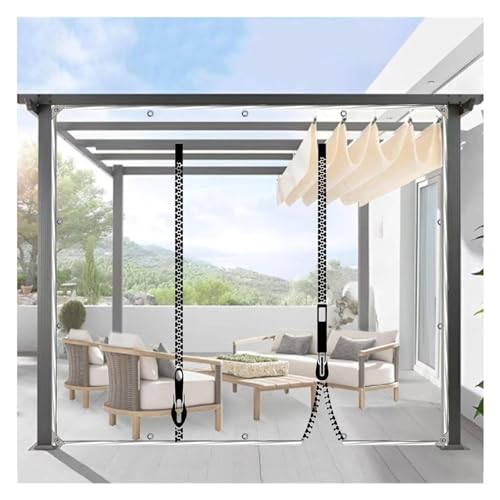
General care is usually straightforward: keep the wall clean, dry it before storage where appropriate and avoid forcing fastenings that do not line up properly. Folding and storing it neatly can make repeated use easier and may help it last longer. If a product relies on clips, zips or ties, those parts are worth checking as part of the buying decision because they can affect everyday convenience.
How to compare options efficiently
- Start with the canopy or shelter you want to use it with.
- Decide whether you need one side covered or a more enclosed arrangement.
- Compare attachment method, size guidance and overall coverage.
- Consider how often you will set it up and pack it away.
- Check the individual product page for the exact details before deciding.
Summary buyer decision checklist
- Does the sidewall suit your canopy type and attachment method?
- Is the level of coverage appropriate for your use?
- Will it give you the privacy or shelter you actually want?
- Is it likely to be practical to fit, remove and store?
- Does the material description match your planned use?
Frequently asked questions
Do canopy sidewalls make a canopy fully enclosed?
Not usually on their own. A single sidewall often just covers one side, while a fuller enclosure may need multiple compatible panels. Check how many panels are needed for the setup you want.
How do I know if a sidewall will fit my canopy?
Look for the intended canopy type, attachment method and any size guidance given on the product page. If those details are not clear, it is better to verify them before buying than to assume a universal fit.
Are sidewalls mainly for weather protection or privacy?
They can help with both, but different designs lean more one way than the other. A buyer looking for privacy may value coverage and fewer gaps, while someone wanting weather buffering may focus more on fit and the exposed side of the canopy.
Can I use a canopy sidewall on its own?
Some products may be useful only when paired with the right canopy or frame, while others may have a more flexible use case. The product page should make that relationship clear, so check the intended setup before you rely on it.
What matters more: material or attachment method?
Both matter, but attachment method often decides whether the wall is practical day to day, while material affects how it feels to use. If you are comparing similar options, it helps to prioritise the factor that affects your main use, whether that is convenience, privacy or shelter.
Do I need multiple sidewalls?
Only if you want more enclosure than one panel can provide. Some buyers are happy with a single windbreak or privacy side, while others want a more sheltered space and therefore need several compatible panels.
What should I check before storing a sidewall?
Make sure it is clean and dry where appropriate, then fold or pack it in a way that avoids stressing the fastenings. Storage matters because sidewalls are often bought for repeat outdoor use, so convenience and neat packing can influence how enjoyable they are to keep using.
Check what the listing includes
Before buying, confirm whether the listing is for a sidewall panel only or for a canopy bundle, and check the stated contents rather than relying on photographs or the product title. If you already have a frame, verify that the panel is intended to fit it; if you need a complete setup, confirm that the frame and the number of panels you want are included.
More Canopy Sidewalls
See all 97 Canopy Sidewalls →



As an Amazon Associate we earn from qualifying purchases.