


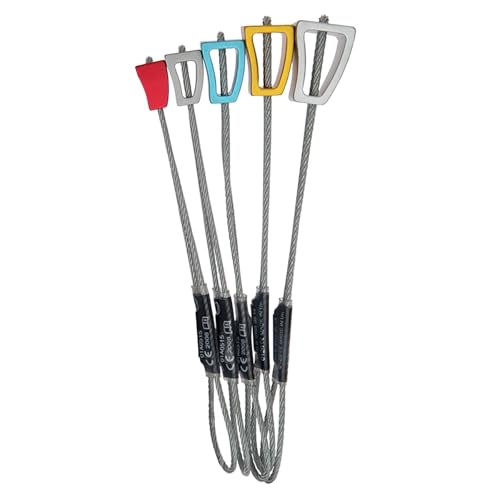
Climbing nuts are a classic form of climbing protection for anyone looking to build a trad rack, replace worn gear or understand how passive protection fits into a wider system. They are chosen for the shape of the crack, the rock quality and how easily each piece can be placed, removed and re-used.
If you are comparing climbing nuts for the first time, the main challenge is not finding a single “best” option. It is matching the size range, head shape and handling style to the kind of routes you climb and the rest of your protection system.
Specifications vary by model, so always check the individual product page before buying.
Compare Climbing Nuts


As an Amazon Associate we earn from qualifying purchases.
What should you look for in climbing nuts?
Start with the range of crack sizes you expect to protect, then look at how the pieces are shaped and how easy they are to place cleanly. After that, consider whether you want a compact set for occasional use or a broader range that gives more placement choices. The main trade-off is usually between simplicity, coverage and how quickly you can identify the right piece on the rack.
| Feature | What It Means | Why It Matters | What To Check |
|---|---|---|---|
| Size range | The span of crack sizes the set covers | Determines how often you will have a useful placement available | Look at the smallest and largest sizes included and whether they suit your routes |
| Head shape | The profile of the metal head | Affects how well a nut seats in different crack shapes | Consider whether the shape suits straight, flared or irregular placements |
| Weight and rack bulk | How heavy and space-consuming the set is | Matters for long routes and carrying comfort | Check whether you want a compact set or a wider selection |
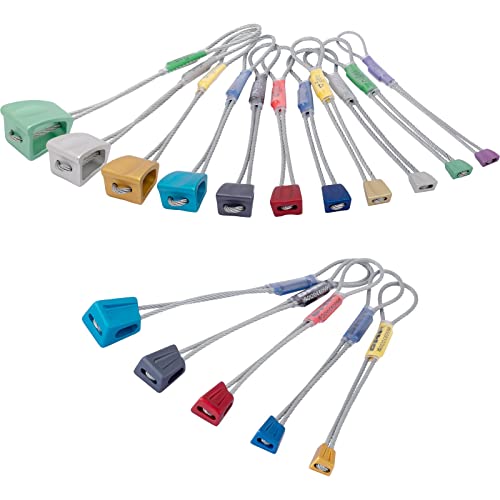
| Colour or size identification | How easily you can tell pieces apart | Helps speed up placements and tidy gear management | See whether the set uses clear differentiation you can read at a glance |
| Wire and handling style | How the nut is carried, placed and removed | Influences ease of use with gloves, cold hands or awkward stances | Look for a style that feels easy to manipulate without fuss |
Key factors that affect the choice
Size coverage
Size coverage is the first thing to compare because it determines where the nuts can actually be used. A narrow range may suit a climber who already knows the crack sizes they most often encounter, while a broader spread can be better for a general trad rack. The trade-off is that more coverage can mean more pieces to carry and sort.
Shape and placement
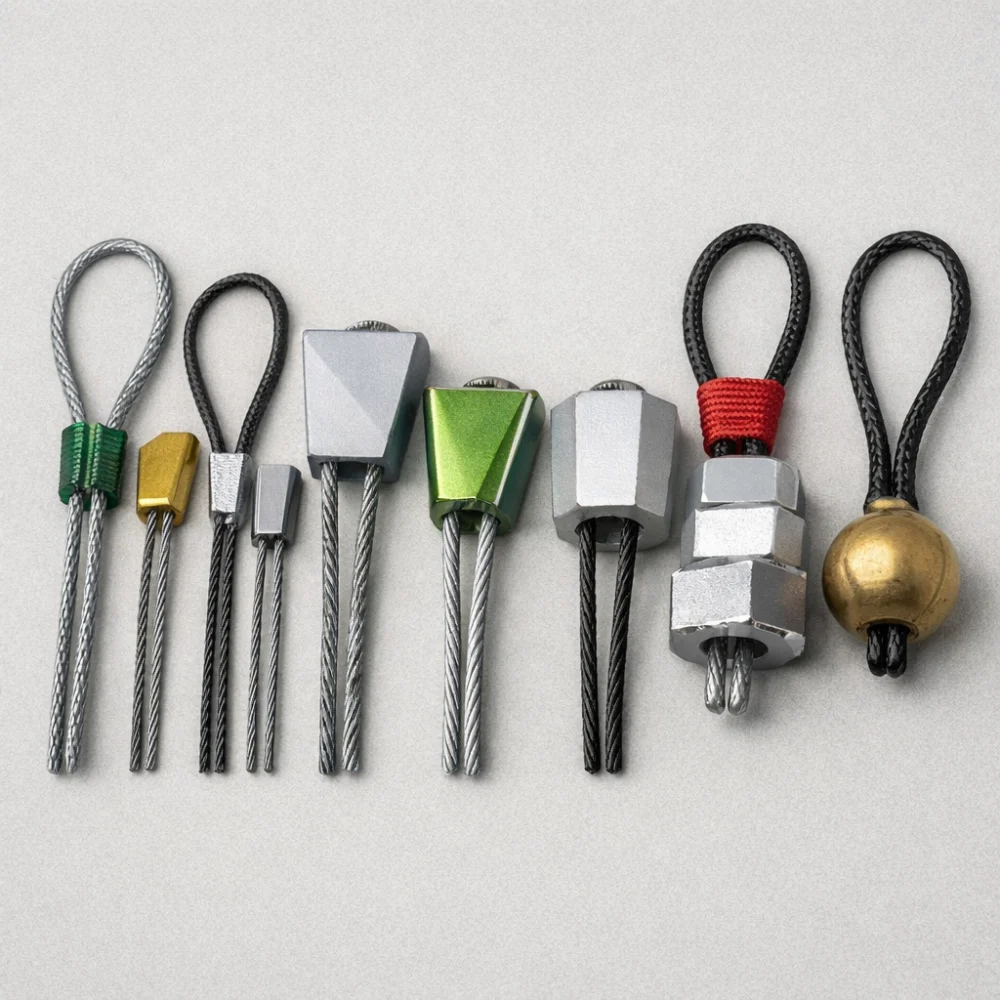
Nuts do not all seat in the same way. Some shapes are easier to place in parallel-sided cracks, while others may feel more versatile in slightly irregular placements. The important check is whether the shape seems suited to the rock and climbing style you expect, rather than assuming one shape works everywhere.
Ease of identification
Being able to find the right piece quickly matters more than many new buyers expect. If the set is easy to tell apart on the rack, you may place gear more confidently and spend less time second-guessing the size. This is especially helpful when hands are cold, the stance is awkward or you are building a larger rack.
Weight, bulk and rack organisation
For long climbs, multi-pitch days or general rack building, the way the nuts carry on the harness matters. Lighter and less bulky options are easier to live with, but a compact rack is only useful if the sizes still match your needs. The balance here is between comfort on the harness and having enough choice when the placement appears.
Types and variants within the category
Climbing nuts are usually compared by set size, size range and shape rather than by highly specialised subtypes. A smaller set can make sense for climbers who want a simple starting point or who climb on routes with repeated, familiar placements. Larger or broader sets suit people who want more options and fewer gaps between sizes, but they can be heavier and less immediate to organise.
Some buyers also look at whether a set feels more general-purpose or more specialised toward certain crack styles. If you climb a wide variety of routes, a more versatile spread may be useful. If you already know the rock type and style you most often encounter, you may prefer a more focused choice.
Which type suits which buyer?
| Buyer need | Useful feature | Why it helps |
|---|---|---|
| First-time trad rack builder | Clear size distinction and a sensible spread | Makes it easier to learn placements and identify the right piece |
| Route climber who values speed | Easy-to-read sizes and straightforward handling | Helps with quick selection at the stance |
| Climber focusing on variety | Broader coverage | Gives more placement choices across different cracks |
| Buyer replacing old gear | Familiar handling and compatible rack feel | Makes the new set feel consistent with existing kit |
Common mistakes when choosing climbing nuts
- Buying a set only because it looks compact. Compact is helpful, but not if the size spread leaves obvious gaps for the routes you climb.
- Assuming one shape suits every crack. Placement quality depends on the rock and the shape of the opening, so variety can matter.
- Ignoring how quickly you can tell sizes apart. If the set is awkward to read, it can slow down decision-making on the wall.
- Choosing without thinking about the rest of the rack. The most useful nuts are the ones that fit your broader protection system, not just the ones that look neat on their own.
Safety and suitability caveats
Climbing nuts are protection items, so suitability matters. Check that the product is intended for climbing use, read the individual product information carefully and make sure the size range, handling and design fit the kind of climbing you do. Do not assume that a piece will be appropriate for every crack or rock type.
Specifications vary by model, so always check the individual product page before buying.
Maintenance, storage and lifespan considerations
Passive protection is straightforward to look after, but it still benefits from regular checks. Keep an eye on wear, deformation and any damage to the wire or head, and store the pieces so they do not become bent or tangled on the rack. If the set is used often, it is worth choosing a style that is easy to inspect and organise.
Cleaning needs are usually modest, but mud, grit and moisture can still make gear harder to inspect and handle. Buying with storage and organisation in mind can make everyday use easier than choosing purely on size spread alone.
How to compare options efficiently
- Decide what sort of climbing you want the nuts for and what placements you commonly see.
- Choose a size range that matches those placements without leaving obvious gaps.
- Compare how the shapes, markings and handling style affect placement confidence.
- Balance coverage against weight and rack bulk.
- Check the individual product page for model-specific details before you buy.
Summary buyer decision checklist
- Does the size range match the crack sizes you expect to protect?
- Is the shape suitable for the placements you are likely to encounter?
- Can you tell the sizes apart quickly on the rack?
- Does the set feel manageable for the length of climb you do?
- Does it fit naturally with the rest of your protection system?
- Have you checked the individual product page for model-specific details?
Frequently asked questions
Are climbing nuts a good starting point for trad climbing?
They can be, because they are relatively simple and useful in many common placements. The main thing is to choose a set that matches the routes you expect to climb, rather than buying the most extensive option by default.
Do I need a full set?
Not necessarily. Some climbers are happy with a smaller, carefully chosen range, while others want broader coverage for more route variety. The right answer depends on how much choice you want at the crux and how much gear you are willing to carry.
What matters more: shape or size range?
Both matter, but for many buyers size range is the quickest way to narrow the choice. Shape becomes more important once you know the kind of rock and crack style you climb most often.
Should I choose the lightest option?
Light weight is helpful, especially on longer climbs, but it is only one part of the decision. A very light set is less useful if the size spread does not suit your usual placements.
Can I use climbing nuts in every crack?
No single protection type suits every placement. Climbing nuts are best understood as one part of a broader rack, and their usefulness depends on crack shape, rock and the quality of the placement.
How do I know whether a set is easy to organise on the rack?
Look for clear size separation and a layout that makes sense to you when the pieces are clipped together. Ease of organisation can matter as much as the raw size range once you are using the set regularly.
Adding nuts to an existing rack
If you are supplementing a rack, compare the actual size information for the pieces you already own with the options you are considering. Numbering and colour conventions can differ between manufacturers, so matching labels or colours do not necessarily mean two nuts cover the same placements. Look for useful overlap where you want another choice, while avoiding unnecessary duplication if your priority is filling gaps in coverage.
When might an offset profile be useful?
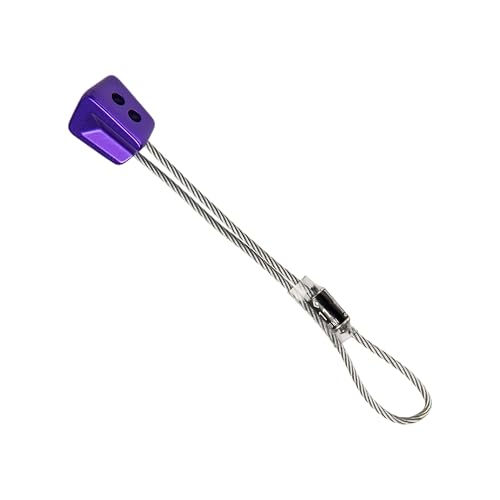
Some nuts have offset or curved profiles intended to offer another fit in flared or less regular cracks. That shape can add useful choice alongside more conventional profiles, but it is not a universal solution and may not suit every placement. If you are considering one, check the product information and think about the rock and crack shapes you commonly encounter.
More Climbing Nuts
See all 24 Climbing Nuts →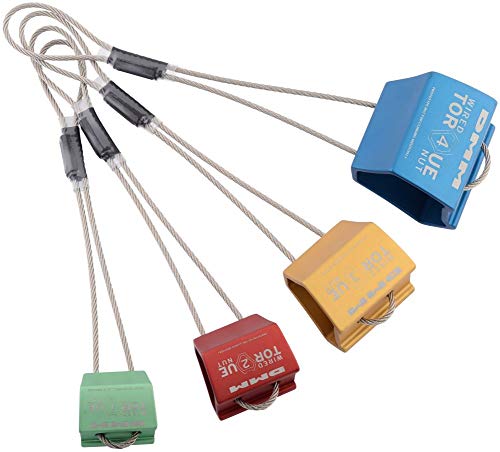


As an Amazon Associate we earn from qualifying purchases.