


Climbing slings are simple-looking items, but they play several different roles in a climbing and mountaineering system. Some are used to extend protection, some help with anchors, and some are chosen for general kit organisation or rigging tasks.
If you are comparing slings, the main question is usually not whether they are “better” in the abstract, but which construction, length and intended use suit your system. That is especially important because small differences can affect handling, bulk and how you build a belay or reduce rope drag.
This guide focuses on buying decisions rather than on technique. It should help you narrow the type you need, compare product-page details efficiently and avoid common misunderstandings.
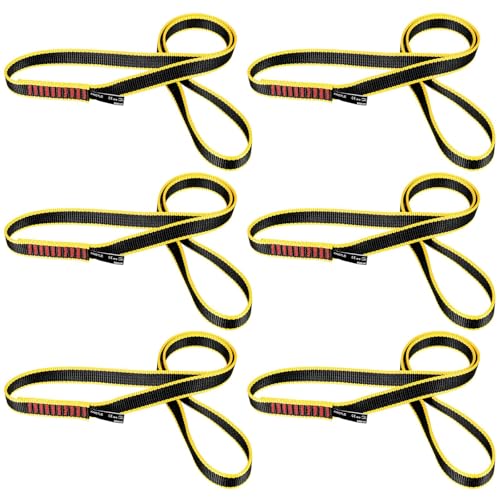
Compare Climbing Slings



As an Amazon Associate we earn from qualifying purchases.
What should you look for in a climbing sling?
The best starting point is the intended job. A sling used to extend a placement has different priorities from one used in an anchor system or for general connection duties. The main trade-off is usually between strength, flexibility, weight, bulk and ease of handling. Specifications vary by model, so always check the individual product page before buying.
| Feature | What it means | Why it matters | What to check |
|---|---|---|---|
| Length | The overall reach of the sling | Affects extension, adjustment and how much extra material you carry | Match the length to the tasks you expect to do most often |
| Construction | How the sling is made and finished | Changes handling, bulk and how neatly it packs away | Look for the style that suits your preferred balance of compactness and manageability |
| Intended use | Whether it is aimed at extension, anchor work or general connection | Prevents choosing a sling that is awkward for your system | Read the product description carefully rather than relying on the product name alone |
| Handling and flexibility | How easily the sling bends, feeds and sits in use | Can make a noticeable difference on busy racks and in colder conditions | Check whether the product is described as easy to handle or compact |
| Bulk and packing size | How much space it takes on your harness or in a pack | Useful if you carry several pieces or want a tidier setup | Compare compactness with ease of grabbing and clipping |
Key decision criteria
Length
Length is one of the most practical choices because it changes what the sling can do. A shorter sling may be neater and easier to rack, while a longer sling gives more reach and more options for extending placements or building a larger system. The right choice depends on whether you want minimal bulk or greater versatility.
Construction and material feel
Different sling constructions can feel firmer, softer, thinner or more compact in the hand. That affects how easily you thread, clip and sort them on your harness. If you expect to use the sling often, handling may matter almost as much as the headline description.
Weight and bulk
For climbers and mountaineers who carry several pieces, bulk matters because it affects rack organisation and how quickly you can find the right item. A very compact sling may be easy to stash, but it can also feel less forgiving to handle. A slightly larger option may be simpler to manage if you value accessibility over absolute tidiness.
Intended system use
Some buyers need a sling mainly for extending protection, while others want something more suited to anchor building or general rigging. Those uses overlap, but they do not always favour the same features. Think first about the system you are building, then compare products against that task.
Common sling types and how they differ
The category can include slings aimed at slightly different jobs, even when the products look similar at first glance. The important distinction is usually not appearance alone, but how the sling is intended to be used and how it behaves in a real rack.
- Shorter slings may suit neat racking and simple extensions where you do not need much extra reach.
- Longer slings can be more versatile for building anchor systems or managing awkward placements, but they add more material to carry.
- More compact options can be attractive if space and organisation are priorities.
- Easier-handling options can be helpful if you want a sling that is simple to grab, clip and adjust quickly.
Use the product description to decide which of these characteristics is most important for your climbing style. Do not assume that a similar-looking sling will feel or behave the same way in use.
Which sling suits which buyer?
| Buyer need | What to prioritise | Why |
|---|---|---|
| Beginner building a basic rack | Straightforward handling and a length that is easy to understand | Makes the first purchase easier to use and less confusing |
| Experienced climber extending protection | Length choice and easy clipping behaviour | Helps reduce rope drag and keeps the system tidy |
| Anchor-focused buyer | Versatility and enough reach for the intended setup | Supports more flexible use in different situations |
| Buyer with limited rack space | Compactness and neat storage | Helps keep gear organised and accessible |
Common mistakes and misunderstandings
- Choosing by name alone: product names can sound similar, so read the description to confirm the intended use.
- Ignoring length: a sling that is too short or too long for your needs can be awkward to manage.
- Focusing only on compactness: the smallest option is not always the easiest one to use quickly.
- Assuming all slings behave the same: handling and bulk can vary enough to matter in practice.
Safety and suitability caveats
Climbing slings are part of a safety-critical system, so suitability matters. Check that the product is intended for the use you have in mind and that you understand any information provided by the manufacturer or retailer. If a sling will be used in a climbing system, treat product-page details as essential reading rather than optional background.
Do not buy on the assumption that any sling will suit every climbing task. The right choice depends on the setup, the way it will be loaded and how it fits with the rest of your gear.
Maintenance, storage and lifespan considerations
Slings are usually straightforward to look after, but they still benefit from sensible storage and regular visual checking. Keep them clean and dry, avoid unnecessary abrasion and store them so they are easy to inspect before use. If a sling looks worn, badly faded or damaged, it should be treated cautiously.
Because usage conditions vary, lifespan is not something you can judge from category name alone. Build maintenance into your buying decision by choosing a sling you can store neatly and check easily.
How to compare options efficiently
- Decide what you need the sling to do most often.
- Choose the likely length range that fits that job.
- Compare handling, bulk and compactness.
- Check the product description for the intended use and any model-specific details.
- Balance neatness against ease of use rather than chasing a single feature.
Summary buyer decision checklist
- Does the sling match the main job you want it for?
- Is the length suitable for your usual setup?
- Is the handling likely to suit how you rack and clip gear?
- Will the bulk fit your storage and carrying preferences?
- Have you checked the individual product page for model-specific details?
Frequently asked questions
What is a climbing sling used for?
Climbing slings are used in several parts of a climbing system, including extension, anchor work and general rigging tasks. The exact use depends on the sling type and the way it is integrated into your gear. Always match the product to the task rather than assuming any sling is suitable for everything.
How do I choose the right length?
Start with the type of climbing or mountaineering task you expect to do most often. Shorter options can be tidier, while longer options give more reach and flexibility. If you are unsure, compare the intended use on the product page with the setup you normally carry.
Does a more compact sling always mean a better sling?
Not necessarily. Compactness is useful, but an overly compact sling may be less convenient to handle if you need quick access or frequent adjustments. It is often better to weigh compactness against ease of use.
Are all climbing slings interchangeable?
No, because different slings may be aimed at different tasks and may feel quite different in use. Even if two products look similar, their length, handling and intended role can vary. That is why it helps to compare the product description carefully.
What matters more: length or handling?
Both matter, but the more important factor depends on your intended use. If the sling needs to fit a specific setup, length comes first. If several lengths could work, handling may be the deciding factor.
How can I avoid buying the wrong sling?
Check the intended use, compare the length with your needs and read the product details rather than relying on the category name alone. It also helps to think about how much bulk you are willing to carry. Specifications vary by model, so always check the individual product page before buying.
Check that it is climbing-specific equipment
The word “sling” is used for products with very different purposes, including lifting straps, bags and accessory loops. A similar name or appearance does not make those products suitable for climbing or for supporting a person.
Before buying, confirm that the manufacturer identifies the item for the climbing use you have in mind and check its stated limitations and relevant conformity information. Do not treat a strength figure or a product title on its own as proof of suitability. If the intended use is unclear, choose equipment with clear manufacturer guidance rather than guessing.
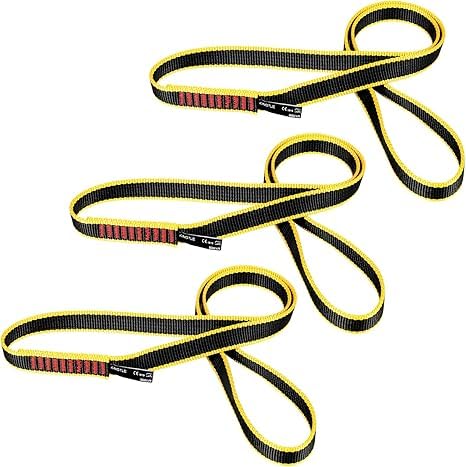
More Climbing Slings
See all 93 Climbing Slings →


As an Amazon Associate we earn from qualifying purchases.