


If you are looking at ear protection in a target sports accessories category, the main question is usually not just whether it reduces sound, but how it fits your activity. The right choice depends on comfort, compatibility with other kit and how much coverage you want during use.
This guide helps you compare the practical differences between ear protection styles without assuming that one type suits everyone. It is especially useful if you are balancing noise awareness, bulk, comfort over longer sessions and the need to wear other protective gear at the same time.
For many buyers, the simplest starting point is to decide whether you want low-profile protection that stays out of the way or fuller coverage that places more emphasis on reducing sound. Comfort, seal and how the product sits with glasses, headwear or other accessories often matter as much as the headline design.
Compare Ear Protection


As an Amazon Associate we earn from qualifying purchases.
What should you look for when choosing ear protection?
The best starting point is the balance between comfort, coverage and how you plan to use it. A lighter or lower-profile option may be easier to wear for longer periods, while a bulkier design may feel more reassuring if you want stronger coverage around the ears. Specifications vary by model, so always check the individual product page before buying.
| Feature | What It Means | Why It Matters | What To Check |
|---|---|---|---|
| Coverage | How much of the ear and surrounding area the product covers | Affects comfort, bulk and the amount of protection you feel you need | Shape, ear fit and whether it sits well with other gear |
| Fit | How securely and comfortably it stays in place | Poor fit can make even a sensible design frustrating to wear | Adjustment method, head shape compatibility and pressure points |
| Profile | How bulky or compact the product is | Lower-profile options can interfere less with other accessories | Side clearance, ear cup shape and overall size |
| Comfort | How the product feels over longer use | Comfort affects whether you will actually keep it on | Padding, weight distribution and how it feels during extended wear |
| Compatibility | How well it works with glasses, hats or other protective equipment | Incompatible kit can reduce comfort and convenience | Temples, headbands, padding contact and clearance around the ears |
| Portability | How easy it is to carry, pack or store | Useful if you travel with kit or want simple storage between sessions | Foldability, shape and the space it takes in a bag or case |
Key decision criteria explained
Coverage and style
Different ear protection designs suit different priorities. Some buyers prefer a compact option that does not feel intrusive, while others want a fuller design that gives more physical coverage around the ear. Think about where and how long you will wear it, because a design that feels acceptable for a short session may become irritating over time.
Comfort over longer use
Comfort is often what separates a useful purchase from one that stays in a bag. Look at padding, contact points and how the product distributes pressure, especially if you expect longer sessions. A good fit should feel secure without squeezing excessively.
Fit with other accessories
If you wear glasses, a cap or other protective kit, check whether the ear protection is likely to sit neatly with it. Small fit issues can become much more noticeable once you add other equipment, so compatibility is worth checking early rather than after purchase.
Ease of carrying and storing
For buyers who move kit between home, vehicle and venue, size and foldability can matter more than they first appear to. A bulkier design may be fine if it gives the comfort and coverage you want, but it may also take more space in a packed bag.
Common types and how they differ
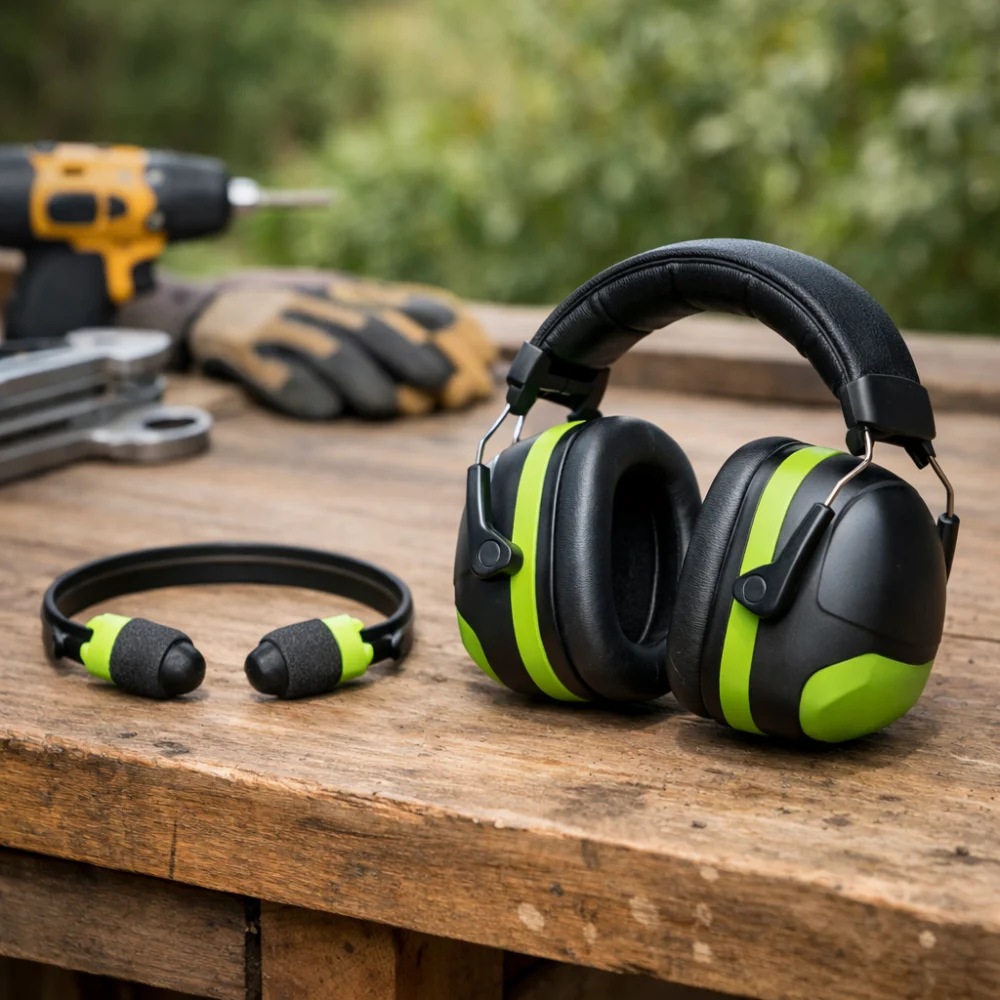
Within this category, shoppers usually compare by form factor and how much presence the product has on the head or around the ears. The main choice is typically between lower-profile designs and fuller coverage styles.
- Low-profile designs: These are suited to buyers who want something less bulky and easier to combine with other accessories. Their main trade-off is that they may feel less substantial to wear.
- Fuller coverage designs: These may suit buyers who want a more enveloping feel and do not mind extra bulk. Their main trade-off is that they can feel larger and may be less convenient in a packed kit bag.
Which type suits which buyer?
| Buyer need | What to prioritise | Why that matters |
|---|---|---|
| New buyer | Straightforward fit and comfort | Easy-to-wear options reduce the chance of buying something that feels awkward |
| Long-session user | Padding and pressure distribution | Small comfort issues become more noticeable over time |
| Kit user with glasses or headwear | Clearance and compatibility | Good interaction with other gear usually matters more than extra bulk |
| Portable kit owner | Compact shape and easy storage | Smaller, neater designs are simpler to carry and stow |
| Buyer balancing different uses | Flexible fit and moderate profile | A balanced design can be easier to live with across different sessions |
Common mistakes and misunderstandings
Choosing on appearance alone. A design can look suitable but still feel uncomfortable or awkward with other gear. Fit and clearance are often more important than style.
Ignoring how long it will be worn. Something that seems fine for a few minutes may not stay comfortable through a longer session. If you expect extended use, give more weight to pressure, padding and overall feel.
Overlooking storage and transport. A more substantial design may be perfectly suitable, but it can be less convenient to carry. Think about where it will live between uses as well as how it performs when worn.
Assuming one size works for every head shape. Adjustability and shape matter. Check whether the product looks likely to sit securely without forcing an awkward position.
Safety and suitability caveats
Ear protection should be chosen for the activity you intend to use it for, but buyers should still check the individual product information rather than assuming every model works the same way. If you need it for a specific environment, consider whether the fit, coverage and comfort match that setting. For any protective product, it is sensible to treat the product page as the source of the exact details.
Maintenance, storage and lifespan considerations
Most ear protection benefits from simple care: keep it clean, dry and stored so it does not get crushed or bent out of shape. If it has padding or other soft contact areas, those parts may matter most for long-term comfort. Wear and tear usually shows up first in the parts that touch the head or ears, so inspect those areas when deciding whether a product will suit regular use.
How to compare options efficiently
- Start with your main use and decide how much bulk you are willing to carry.
- Compare fit and comfort before focusing on secondary details.
- Check whether the design is likely to work with glasses, hats or other kit you use.
- Think about storage and transport if you will be moving it often.
- Read the individual product page carefully for the exact details that apply to that model.
Summary buyer decision checklist
- Does the style suit how you plan to use it?
- Will it feel comfortable for the length of time you expect to wear it?
- Is the fit likely to work with other gear you use?
- Is the profile and size practical for carrying and storage?
- Have you checked the exact product page for model-specific details?
Frequently asked questions
How do I choose between compact and fuller ear protection?
Compact designs are often easier to wear with other kit and can feel less intrusive. Fuller designs may feel more substantial and can suit buyers who prefer more coverage around the ears. The better choice depends on whether convenience or coverage matters more to you.
What matters most for comfort?
Comfort usually comes down to fit, pressure and how the product sits against the head over time. Padding and the shape of the contact points can make a noticeable difference. If possible, compare those features first rather than relying on appearance.
Should I choose based on portability?
If you travel with your kit or store it in a crowded bag, portability can be a meaningful factor. A smaller or more compact design may be easier to carry, but it should still suit your comfort and fit needs. Think of portability as a practical plus, not the only deciding factor.
Is compatibility with glasses important?
Yes, because a good fit with glasses can affect comfort quite a bit. Even a well-made design may feel awkward if it presses too hard against frames or temple arms. Check the shape and clearance carefully if you wear glasses.
Do all ear protection products feel similar once worn?
No, because shape, padding and fit can make them feel quite different in use. Two products in the same category may suit different head shapes or comfort preferences. That is why it is worth checking the individual product information rather than assuming they will feel the same.
What should I compare first if I am unsure?
Start with the type of use, then compare fit, comfort and compatibility with other gear. Those are usually the factors that matter most in day-to-day use. After that, consider portability and storage.
More Ear Protection
See all 85 Ear Protection →


As an Amazon Associate we earn from qualifying purchases.