


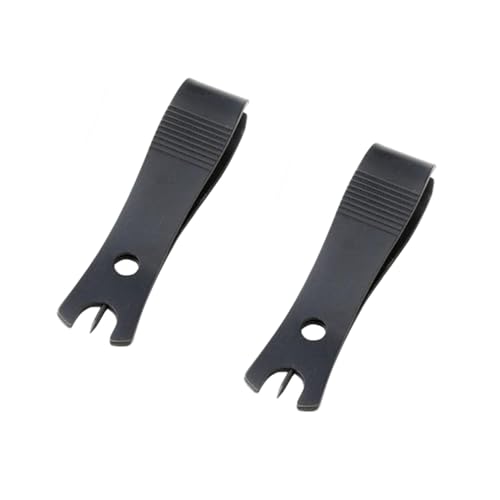
Fishing line cutters are small tools, but the right choice can make regular rig changes quicker and neater. They are used to cut fishing line cleanly, whether you are replacing a hook snood, trimming tags after tying knots or tidying up after a session.
Because this category is focused on a simple task, the main buying decision is usually about how and where you fish. Some buyers want a compact cutter that disappears into a pocket, while others prefer a tool that is easier to grip with wet hands or when wearing gloves.
It also helps to think about the line you use most often. Monofilament, fluorocarbon and braided lines can feel different to cut, so the most practical option is the one that suits your usual setup without feeling awkward to carry or use.
Compare Fishing Line Cutters


As an Amazon Associate we earn from qualifying purchases.
What should you look for in fishing line cutters?
The best starting point is clean cutting with minimal fuss. After that, the useful differences are usually size, grip, blade style, attachment options and how easy the cutter is to use with cold or wet hands. Specifications vary by model, so always check the individual product page before buying.
| Feature | What it means | Why it matters | What to check |
|---|---|---|---|
| Cutting action | How the tool slices through line | A cleaner cut helps with knot finishing and general tackle tidy-up | Look for a style that suits the line you use most often |
| Grip and handling | How easy it is to hold and use | Small tools can be fiddly when hands are wet, cold or gloved | Check the handle shape, finger access and overall feel |
| Size and portability | How compact the cutter is to carry | Smaller tools are easier to stash, but may be less comfortable to use | Consider pocket carry, attachment points and storage |
| Blade or cutting edge design | The part that does the cutting | Different designs suit different users and line materials | Check whether the design is intended for fine trimming or more general use |
| Corrosion resistance | How well the cutter stands up to damp conditions | Fishing kit often gets exposed to water, spray and bait residue | Look for materials and finishes that are easy to keep in good condition |
| Safety and storage | How the cutter is carried when not in use | Sharp edges need to be stored sensibly in a tackle bag or pocket | Check for caps, sheaths, locking features or secure storage options |
Key decision criteria explained
Match the cutter to your line type
If you mostly use lighter line, a compact cutter may be enough. If you often trim stiffer or thicker line, the most convenient option is usually the one that gives you better control and a cleaner finish. The important point is not whether one cutter sounds more advanced, but whether it feels effective with the line you actually use.
Think about grip before style
Some cutters are easier to handle with wet fingers, while others are more compact and discreet. A neat pocket tool is appealing until you need extra purchase in poor weather. If you fish in cold conditions or wear gloves, grip and access can matter more than size alone.
Choose portability with honesty
Small cutters are convenient if you want them on a lanyard, clipped into a bag or kept in a waist pouch. Larger tools may be a little more comfortable to use, but they can take up more space. The right answer depends on whether you want something always to hand or something that stays in a dedicated tackle kit.
Check how the cutter fits your routine
Some anglers trim line constantly throughout a session, while others only need a cutter occasionally. If you use one often, ease of access matters. If it is a backup tool, compactness may be the bigger priority.
Common types and variants
There is usually less variation in this category than in larger fishing tools, but buyers may still see a few practical styles.
- Very compact cutters suit anglers who want a lightweight tool that is easy to carry.
- Grip-focused cutters suit buyers who prefer a more secure hold and easier handling.
- Multi-purpose fishing tools with a cutting function suit people who want fewer items in their kit, although the cutting function may be just one part of the design.
The main limitation is that a small, simple cutter may not feel ideal in every situation. If you want one tool to do several jobs, compare the whole design rather than assuming any built-in cutting feature will be equally comfortable or precise.
Which type suits which buyer?
| Buyer need | Likely priority | What that means in practice |
|---|---|---|
| Beginner angler | Simplicity | A straightforward cutter that is easy to recognise, hold and store |
| Frequent session angler | Speed and access | Something easy to reach quickly when changing tackle or tidying line |
| Cold-weather or glove user | Grip | A design that remains easy to handle when dexterity is reduced |
| Minimal kit user | Compact size | A small cutter that takes up little room in a pocket or bag |
| Gift buyer | General usefulness | A sensible, practical tool that fits most standard fishing setups |
Common mistakes to avoid
- Choosing only by size. A very small cutter can be easy to carry but less comfortable to use.
- Assuming all cutters feel the same. Handling and access can differ in ways that matter during a session.
- Ignoring storage. A sharp cutting tool should be easy to stow safely in a bag or pocket.
- Overlooking line type. What feels fine on one setup may be less convenient on another.
Safety and suitability caveats
Fishing line cutters are simple tools, but they should still be chosen with care. Check that the design suits your fishing habits, that it can be stored safely, and that it is comfortable to use without forcing your hand into an awkward position. If you fish around children or in a busy shared kit bag, easy storage becomes especially important.
Maintenance, storage and everyday care
General care is usually straightforward. Wipe the tool after use, especially if it has been exposed to damp conditions or bait residue, and store it where the cutting edge will not damage other tackle. If the product page mentions specific materials or care guidance, follow that advice for the individual model.
How to compare options efficiently
- Start with the way you fish most often and the line you usually need to cut.
- Decide whether compactness or easier handling matters more.
- Compare the grip, cutting style and storage method.
- Consider how often you will use it during a session.
- Check the individual product page for the exact details before making your choice.
Summary buyer decision checklist
- Will it suit the line type you use most often?
- Is it comfortable to hold with wet or cold hands?
- Does the size suit pocket carry or tackle bag storage?
- Will it be easy to access when you need it?
- Does the design feel practical for your usual fishing routine?
Frequently asked questions
Do I need a dedicated fishing line cutter?
Not everyone does, but a dedicated tool is often cleaner and easier to carry than improvising with another item. It is usually most useful if you change rigs often or want a small tool that stays in your tackle kit.
Are compact cutters always the best choice?
Not necessarily. Compact tools are convenient, but they can be less comfortable if you have larger hands or need better grip in poor weather. The right balance depends on how you fish and how often you use the cutter.
What matters most: blade style or handle design?
For many buyers, handle design and ease of use matter just as much as the cutting edge. A cutter that feels secure in the hand is often more practical than one that only looks more specialised.
Can one cutter suit different line types?
Sometimes, yes, but performance and feel can vary by design. If you use more than one line type, look for a cutter that seems suited to your main setup and check the product information carefully.
How should I store a fishing line cutter?
Store it somewhere that protects the cutting edge and keeps it easy to find. A dedicated pocket, pouch or tackle compartment is usually more practical than leaving it loose with other kit.
Is corrosion resistance important?
It can be, because fishing tools are often exposed to damp conditions. Even if you only fish occasionally, a cutter that is easier to keep in good condition can be a better long-term choice.
More Fishing Line Cutters
See all 87 Fishing Line Cutters →



As an Amazon Associate we earn from qualifying purchases.