


Four-season tents are for buyers who need a shelter that is intended for harsher weather than a standard three-season camping tent. They are often considered by people planning winter trips, exposed campsites, alpine-style conditions or journeys where a stronger, more weather-conscious shelter matters more than low weight or maximum space.
That does not mean every four-season tent suits every cold-weather trip. Some are built with a strong emphasis on stability in wind and snow, while others balance weather resistance with a more practical pack size and quicker pitching. The right choice depends on where you camp, how often you move, and how much comfort you want to give up for extra resilience.
Compare Four-Season Tents
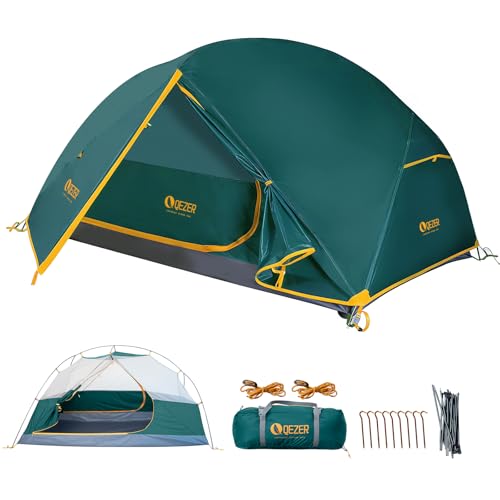


As an Amazon Associate we earn from qualifying purchases.
What should you look for in a four-season tent?
The best starting point is to match the tent to the conditions you expect, then compare structure, ventilation, size and carry weight. A stronger shelter can be worth the compromise if your trips regularly involve poor weather, but an overbuilt tent can feel heavy and restrictive if you mainly camp in milder conditions. Specifications vary by model, so always check the individual product page before buying.
| Feature | What It Means | Why It Matters | What To Check |
|---|---|---|---|
| Weather resistance | How the tent is intended to cope with wind, snow and exposure | Helps you judge whether the tent matches your likely conditions | Season rating, structure and any stated intended use |
| Pole structure | The way the frame supports the shelter | Affects overall stability and confidence in poor weather | How the poles are arranged and how robust the design appears |
| Weight and packed size | How easy the tent is to carry and store | Important for backpacking, longer approaches and limited luggage space | Pack weight, packed dimensions and how you plan to transport it |
| Ventilation | How air moves through the tent | Helps reduce condensation and improves comfort in cold, damp conditions | Vents, doors and inner layout |
| Internal space | Sleeping room and usable living space | Matters if you need room for kit, movement or extended time inside | Headroom, floor area and vestibule design |
| Pitching ease | How straightforward the tent is to set up | Useful in bad weather, low light or when solo pitching | Pitching method, number of components and setup complexity |
Key decision criteria explained
Weather and season rating
Four-season tents are chosen because they are intended to handle more demanding conditions than lighter camping tents. The key question is not just whether a tent is labelled four-season, but whether its design suits the actual weather you expect. A winter campsite with strong wind exposure asks more of a shelter than a sheltered summer site with the odd cold night.
Structure and stability
Stability comes from the frame design as much as from the fabric. For a buyer, the main trade-off is usually between increased resilience and extra weight or reduced interior volume. If your trips are likely to face gusty conditions, a design that looks purpose-built for support can matter more than one that simply offers the most living space.
Ventilation and condensation control
Cold-weather camping often makes condensation more noticeable, especially when you close up a tent to keep warmth in. Ventilation features help, but they usually work best when the tent is designed to balance airflow and shelter rather than sealing everything off. Look for practical vent placement and an inner layout that supports air movement.
Weight, packed size and transport
Some four-season tents are aimed at remote travel, while others are better suited to campsite access or short carry distances. More weather-focused designs can be heavier and bulkier, which is worth accepting if the conditions demand it. If you plan to carry the tent for long distances, packed size and total weight quickly become major decision points.
Space, livability and storage
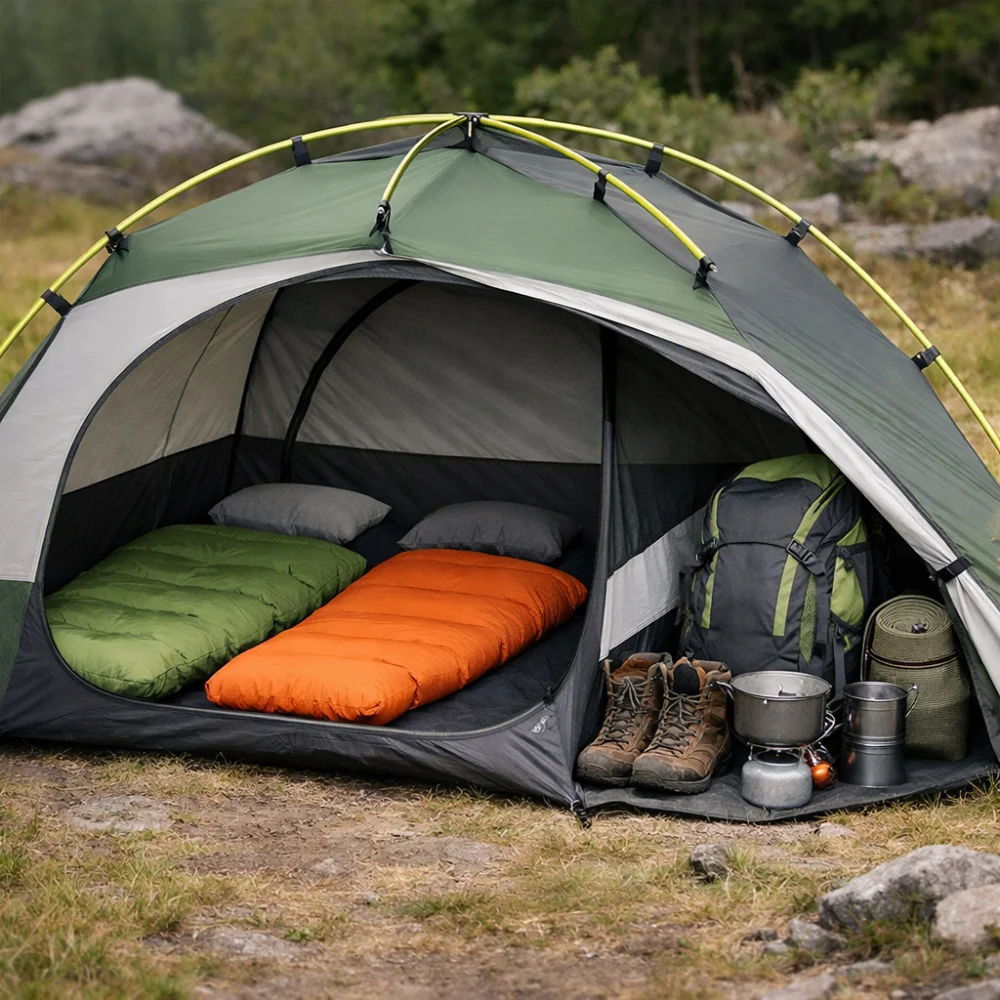
Cold trips often involve more kit, more time inside the tent and less willingness to tolerate a cramped interior. That makes floor space, vestibule room and headroom especially important. A smaller tent may be easier to move with, but it can feel less practical if you need to organise gear indoors or wait out poor weather.
Types and design approaches
Within this category, buyers generally compare tents by how strongly they prioritise protection, how much weight they carry, and how much interior comfort they provide. A more compact, expedition-style design may suit harsh environments, while a roomier model can be more comfortable for basecamp use or longer stays. The trade-off is usually between solidity, livability and portability rather than between completely different product families.
- More robust expedition-style tents may suit harsher conditions and exposed campsites, but they often ask more in weight and bulk.
- More balanced all-round designs can be easier to carry and live with, but may involve some compromise in space or weather focus.
- Roomier cold-weather shelters can feel more comfortable for extended use, but comfort usually comes with a larger pack and more setup complexity.
Which buyer needs point to which features?
| Buyer need | Features to prioritise | Main trade-off |
|---|---|---|
| Winter or exposed conditions | Stability, stronger structure, weather-focused design | Often more weight and less compact packing |
| Long carries or moving camp often | Lower weight, smaller packed size, simpler setup | May give up some interior space or resilience |
| Basecamp or longer stays | Livability, vestibule space, ventilation | Can be larger and less convenient to transport |
| Solo use | Simple pitching, efficient floor plan, manageable carry weight | Less room for gear and comfort extras |
| Two people plus kit | Usable sleeping space, storage room, practical door access | More size usually means more weight |
Common mistakes and misunderstandings
- Assuming four-season always means suitable for extreme conditions. The label helps narrow the category, but design details still matter.
- Focusing only on strength. A shelter that is very robust may be awkward to carry or too cramped for real use.
- Ignoring ventilation. In cold weather, condensation can become a bigger comfort issue than many buyers expect.
- Choosing too much tent for the trip. If your usual camps are mild and sheltered, a heavy winter-focused design may be more than you need.
Safety and suitability caveats
A four-season tent can be part of a more suitable setup for demanding weather, but it is not a guarantee that any camping plan will be comfortable or appropriate. Check that the tent’s intended use matches the conditions you expect, and think about the rest of your kit, pitching location and experience level. If you are unsure, choose the shelter that best matches the most demanding trips you realistically plan to do, not the most extreme scenario you can imagine.
Maintenance, storage and lifespan considerations
Good care matters because weather-focused tents are often used in more demanding conditions. After use, allow the tent to dry fully before storage, keep dirt and moisture from building up, and store it in a way that avoids unnecessary compression for long periods. Zips, seams, poles and fabric all benefit from careful handling, especially if you expect repeated trips in wet or abrasive conditions.
How to compare options efficiently
- Start with the conditions you actually expect to face.
- Decide how much carry weight and packed size you can realistically accept.
- Compare the structure, ventilation and internal space of the shortlisted tents.
- Check whether the setup method suits solo pitching or poor-weather pitching.
- Read the individual product page carefully before buying.
Summary buyer decision checklist
- Does the tent suit the conditions you plan to camp in?
- Is the structure appropriate for the level of weather exposure you expect?
- Are weight and packed size realistic for how you will travel?
- Is there enough ventilation for colder, damper conditions?
- Will the internal space work for your people and kit?
- Is the pitching method manageable in the places you intend to use it?
Frequently asked questions
Are four-season tents only for winter?
No. They are most often chosen for colder or more exposed conditions, but they can also suit trips where a stronger shelter is preferred. The key is whether the tent’s design matches the weather and terrain you expect, not the calendar season alone.
Do I need a four-season tent for British camping?
Not always. Many campers will find a lighter tent more practical for milder conditions, while a four-season model makes more sense for colder, windier or more exposed trips. Think about the least forgiving conditions you are likely to encounter, not just the average weekend away.
Why are some four-season tents heavier than other camping tents?
Extra structure, weather-focused materials and more robust designs can increase weight. That is often the trade-off for better stability and protection in demanding conditions. The right balance depends on whether you value transport convenience or shelter confidence more highly.
Is ventilation still important in cold weather?
Yes. Cold air does not remove the need for airflow, and reduced ventilation can make condensation more noticeable. Look for a design that tries to balance protection with practical air movement.
Can a four-season tent be comfortable for two people?
It can be, but comfort depends on the specific layout and available space. Some designs prioritise resilience over room, so check sleeping area, entrance access and storage options before assuming it will feel roomy enough.
What matters more: weight or stability?
That depends on how you camp. If you carry the tent far or move often, weight may be decisive. If you camp in exposed conditions, stability may matter more than convenience.
Should I buy the largest tent I can fit?
Not necessarily. More space can improve comfort, but it can also increase weight, packed size and setup effort. It is usually better to choose the smallest tent that still fits your people, kit and intended use.
More Four-Season Tents
See all 47 Four-Season Tents →


As an Amazon Associate we earn from qualifying purchases.