

Gel blaster safety glasses are a straightforward category, but the choice still matters. The main job is to help you compare fit, coverage and comfort so you can choose eyewear that suits the way you play.
If you are buying for yourself, for a younger player or as part of a wider gel blaster setup, it helps to think beyond appearance. Small differences in lens shape, strap comfort and facial coverage can make one option feel much better suited than another.
This guide focuses on the buying decision rather than the game itself. It explains what to check on the product page so you can narrow down the options with less guesswork.
What should you look for in gel blaster safety glasses?
The best starting point is usually fit and coverage. Glasses should sit securely, feel comfortable enough for repeated use and cover the eye area in a way that suits your face shape and intended play setting. After that, compare lens style, strap design and any features that may affect comfort or visibility.
Specifications vary by model, so always check the individual product page before buying. A sensible choice is usually the one that balances protection, comfort and compatibility with the way you will actually wear it.
| Feature | What it means | Why it matters | What to check |
|---|---|---|---|
| Fit | How securely the glasses sit on your face | Poor fit can be distracting and uncomfortable | Adjustability, shape and whether they suit the intended wearer |
| Coverage | How much of the eye area the glasses protect | More coverage may suit some users better than a minimal frame | Lens size, frame shape and side coverage |
| Comfort | How easy they are to wear for a full session | Comfort affects whether people keep them on properly | Weight, strap design and pressure points |
| Visibility | How clearly you can see through them | Clear vision helps with confidence and awareness | Lens tint or clarity, and whether the shape feels unobtrusive |
| Compatibility | Whether they work with other facewear | Some buyers want eyewear that suits masks or helmets | Frame shape and space around the temples and nose |
Key decision criteria explained
Fit and face shape
Fit is one of the most important checks because the same glasses can feel fine on one person and awkward on another. Look for signs that the frame, bridge and strap are likely to suit the wearer’s face shape. If the glasses are for a younger player or as a gift, comfort and adjustability become especially important.
Coverage and style
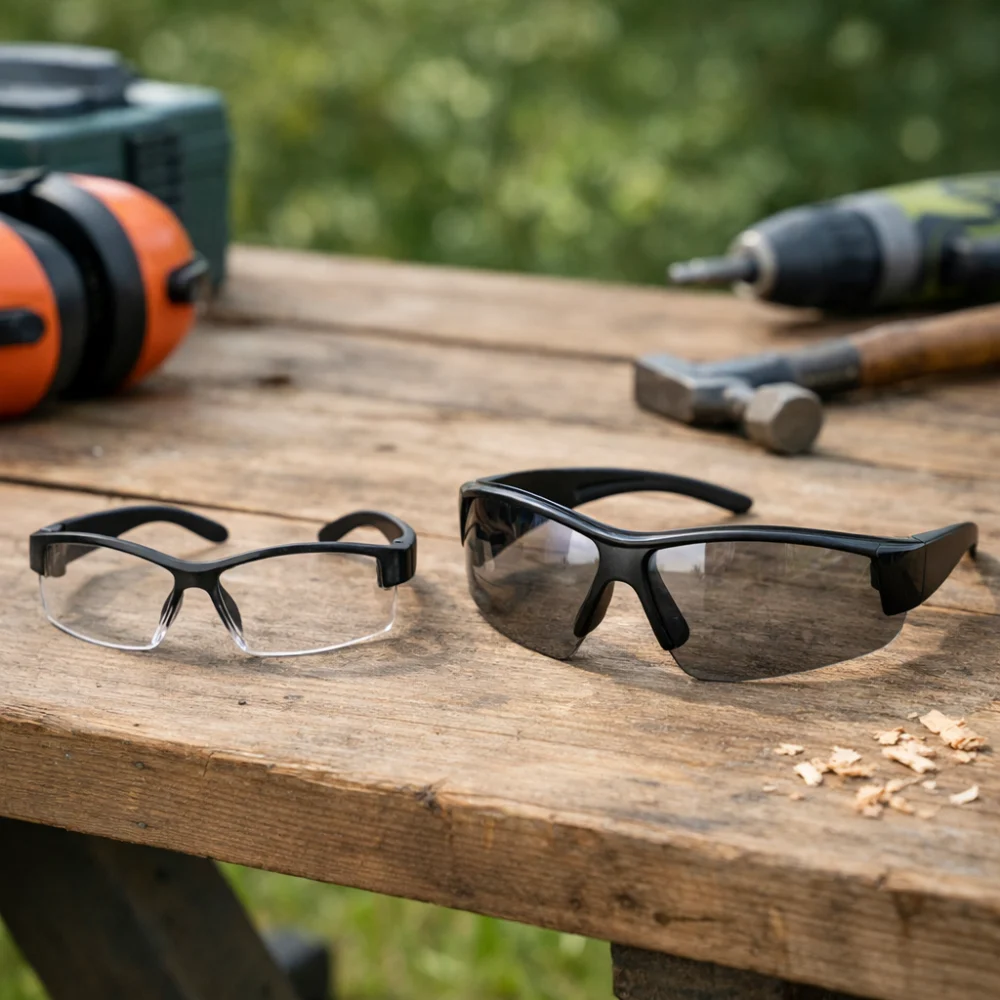
Some buyers prefer a compact, low-profile style, while others want more wraparound coverage. The trade-off is usually between a lighter, less intrusive feel and a design that sits closer around the eye area. Think about where the glasses will be used and whether the wearer prefers a more open or more enclosing shape.
Lens clarity and tint
Lens appearance can affect how comfortable the glasses feel to wear, even when the main aim is simply eye protection. Clear lenses are often easier for general use, while tinted options may suit brighter conditions if they are intended for that purpose. Check whether the lens style is appropriate for the environment rather than choosing by appearance alone.
Strap and retention
A secure strap helps keep eyewear in place during movement. A simple strap may be enough for casual use, while a more adjustable design can suit a wider range of head sizes. The main question is whether the glasses are likely to stay stable without feeling tight or shifting around during play.
Types and variants you may see
This category is usually less about highly technical variation and more about form factor. In practice, the main choices are often compact glasses, more wraparound styles and options that sit more comfortably with other facewear.
- Compact safety glasses: Often preferred when a lighter, simpler feel matters most.
- Wraparound styles: May suit buyers who want more side coverage and a closer fit.
- Glasses for use with other gear: Useful when the wearer also uses a mask or helmet and wants the items to work together.
The right type depends on how the glasses will be worn, not just how they look on their own.
Which type suits which buyer?
| Buyer need | What usually matters most | Useful trade-off to consider |
|---|---|---|
| Beginner or casual player | Simple fit and easy comfort | Choose straightforward eyewear rather than complicated features |
| Younger wearer | Secure fit and comfort | Adjustability may matter more than a minimalist look |
| Gift buyer | Broadly usable design | A neutral, adaptable style is often safer than a very specific fit preference |
| Player wearing other face gear | Compatibility with masks or helmets | Check how much space the frame needs around the face |
| Frequent player | Comfort over longer sessions | A better-feeling strap and frame may be worth more than a basic option |
Common mistakes and misunderstandings
- Choosing by appearance only: A style that looks good may still feel awkward if the fit is wrong.
- Ignoring other gear: Glasses that clash with a mask or helmet can be frustrating to wear.
- Overlooking comfort: If eyewear is uncomfortable, people often adjust it too much or stop wearing it properly.
- Assuming all sizes feel the same: Small differences in frame shape can make a noticeable difference on the face.
Safety and suitability caveats
Because this is protective eyewear, suitability matters as much as style. Check that the product is intended for the activity and that the fit is appropriate for the person who will wear it. If the wearer already uses other face protection, make sure the pieces work together comfortably rather than forcing a tight combination.
Do not assume one design suits every face or every play setting. The most practical choice is the one that feels secure, allows clear vision and is comfortable enough to be worn consistently.
Care, storage and day-to-day ownership
General care is usually simple: keep the lenses clean, store the glasses so they are not scratched and avoid tossing them loosely into a bag with hard items. A scratched lens or bent frame can make eyewear less pleasant to use, even if it still looks fine at a glance.
If the product uses a strap or other adjustable parts, check that they stay easy to adjust over time. For buyers comparing options, simple care and easy storage can be part of the value, especially if the glasses will be used regularly.
How to compare options efficiently
- Start with the wearer: adult, younger player, gift recipient or someone using other face gear.
- Decide whether you want a compact, wraparound or more gear-compatible style.
- Compare fit, strap comfort and how much coverage the shape appears to give.
- Check lens clarity or tint, then think about whether that suits the intended environment.
- Read the individual product page carefully for any details that affect fit or use.
Summary buyer decision checklist
- Does the shape suit the intended wearer’s face?
- Will the glasses stay comfortable during a full session?
- Is the coverage level appropriate for the way they will be used?
- Will they work with any other face or head protection being worn?
- Is the lens style suitable for the intended setting?
- Have you checked the individual product page for model-specific details?
Frequently asked questions
Are gel blaster safety glasses the same as regular sunglasses?
No. Sunglasses are mainly made for light reduction and style, while safety glasses are chosen for suitability in a sport or activity setting. The important buying question is whether the glasses are intended for the use you have in mind and whether they fit well enough to wear comfortably.
Should I choose glasses or a full face mask?
That depends on the style of play, comfort preference and how much face coverage the wearer wants. Glasses may feel lighter and less restrictive, while a mask may suit people who prefer more coverage overall. If you are comparing the two, think about comfort, compatibility and how the item will be worn for a typical session.
What matters more: lens shape or strap design?
Both matter, but for different reasons. Lens shape affects coverage and how the glasses sit on the face, while the strap affects how securely they stay in place. If the fit is uncertain, strap adjustability can make a practical difference.
How do I choose eyewear as a gift?
Pick a style that looks broadly adaptable rather than highly specialised. A neutral shape, comfortable strap and sensible coverage are often safer choices when you are not sure about the recipient’s face shape or existing gear. If possible, check the product page for dimensions or fitting notes.
What if the wearer also uses a mask or helmet?
Then compatibility becomes a key part of the decision. Look for a frame shape that is likely to sit comfortably with the other gear without pressing or slipping. The best option is usually the one that works together as a set rather than each item being judged on its own.
How can I tell if a pair is likely to feel comfortable?
Start with the available fit information and look for signs that the design is adjustable or shaped for secure wear. Comfort often depends on the bridge, temples or strap rather than the lens alone. If any details suggest a particular head size or wearing style, use that as part of the decision.