

Hiking hydration packs are designed for carrying water hands-free while you walk, climb or cover uneven ground. They are a practical choice when you want quicker access to hydration than a bottle in a side pocket can offer, without carrying a full hiking rucksack.
The main buying question is not simply how much water the pack holds, but how well it fits, how stable it feels when moving, and whether it has enough room for the items you actually carry. That balance matters whether you are heading out for a short local walk or a longer day on the hills.
Because hiking needs vary, it helps to think in terms of comfort, capacity and organisation rather than one fixed idea of the “right” pack.
What should you look for first in a hiking hydration pack?
Start with fit and carrying comfort, then decide how much hydration and storage you need. A pack that sits securely and does not bounce is usually more useful than one with extra features you will not use. After that, compare how easy it is to refill, drink from and pack away the rest of your kit.
The main trade-off is between lightweight simplicity and added carrying space. A smaller pack can be less distracting on the move, while a larger one may suit longer outings where you also want snacks, a layer or small essentials with you.
| Feature | What it means | Why it matters | What to check |
|---|---|---|---|
| Fit and stability | How securely the pack sits on your body | A stable pack is easier to forget about while walking | Harness style, adjustability and whether the shape looks suited to active movement |
| Hydration setup | The way water is carried and accessed | Good access makes it easier to drink regularly on the move | Reservoir or bottle arrangement, hose routing and refill convenience |
| Storage space | Room for snacks, layers and small items | Prevents you needing a separate bag for simple day hikes | Number of compartments, pocket layout and whether the space matches your load |
| Weight and bulk | How much the pack adds to your load | Lighter packs can feel less noticeable over distance | Materials, overall shape and how much extra structure the pack appears to have |
| Ease of cleaning | How simple it is to rinse and dry after use | Helps keep the pack fresh between outings | Access to the reservoir, drying space and whether parts can be removed easily |
Key decision criteria
Fit and comfort
Fit is often the deciding factor because an awkward pack can become irritating even if the rest of the design looks good on paper. Look for straps and a shape that should sit comfortably over the clothing you normally hike in. If you expect to wear the pack for several hours, comfort matters more than a feature list.
Specifications vary by model, so always check the individual product page before buying.
Hydration capacity
Different packs are aimed at different trip lengths and drinking habits. Some buyers want a compact water carry for shorter walks, while others prefer more space for longer days away from a refill point. Think about how much you usually drink and how often you are likely to stop.
Storage and organisation
Many hikers want room for more than water, even if the pack remains small. A few simple pockets can help keep keys, snacks and a map separate from the hydration system. Too much storage, however, can make a pack feel larger than necessary, so it is worth matching the layout to the kind of walk you do most often.
Access on the move
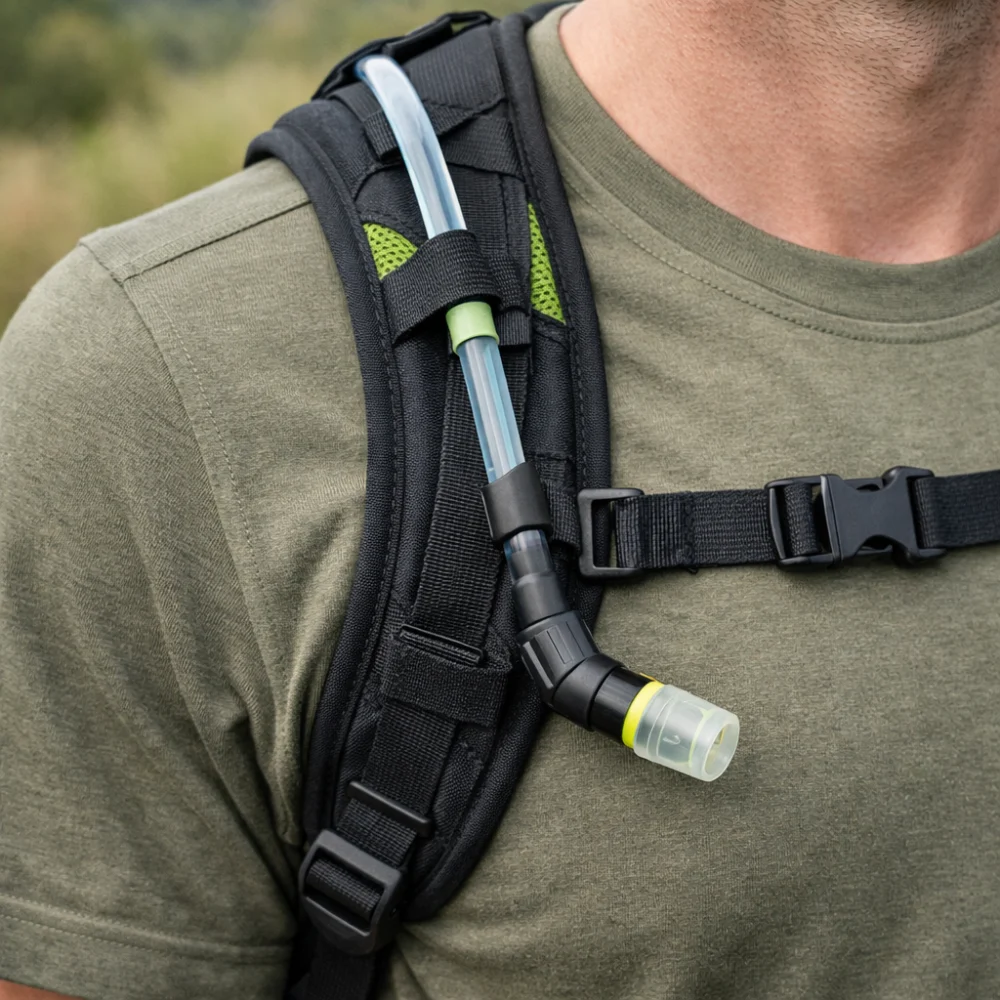
How easily you can drink, open pockets or reach small items affects day-to-day usefulness. A hydration pack is meant to reduce faff, not create it. Check whether the tube, zip placement and compartments look convenient for the way you hike.
Ventilation and back feel
Some buyers place more importance on how the pack feels against the back, especially in warmer weather or on steep climbs. Breathability, padding and the overall shape can all influence comfort. The more you expect to carry, the more worth checking the back panel and strap arrangement becomes.
Types and variants you may see
Within hiking hydration packs, the main difference is usually between compact packs and roomier day-hike styles. Compact designs are often better when you want the lightest possible carry and only a little storage. More spacious designs suit walkers who like to carry layers, snacks and small essentials without moving up to a larger hiking pack.
Some shoppers also prefer hydration systems that feel more integrated into a backpack shape, while others want a very minimal pack that focuses mainly on water carry. The better choice depends on whether hydration is your main need or only one part of a wider kit carry.
Which pack suits which kind of buyer?
| Buyer need | Likely priority | What to look for |
|---|---|---|
| Short local walks | Simplicity | A compact pack that carries water without feeling bulky |
| Longer day hikes | Balance of water and storage | Enough room for essentials alongside a comfortable hydration setup |
| Hilly or fast-moving walks | Stability | A secure fit that is less likely to shift as you move |
| Minimal-kit hikers | Lightweight carry | Streamlined design with only the storage you will actually use |
| Walkers who like extras close to hand | Organisation | Clear pocket layout and easy access to small items |
Common mistakes and misunderstandings
- Choosing by hydration capacity alone: a bigger reservoir is not always the better choice if the pack feels uncomfortable or oversized.
- Ignoring storage layout: a pack can hold enough water but still be awkward if there is nowhere sensible for keys, snacks or a layer.
- Overlooking fit: if the straps and shape do not suit your body, the pack may move too much when walking.
- Assuming more features always help: extra compartments and structure are useful only if they match the way you actually hike.
- Forgetting maintenance needs: a hydration pack that is hard to clean may become less pleasant to use over time.
Safety and suitability checks
A hiking hydration pack is only suitable if it matches the activity you intend to do. A compact day-hike pack may be fine for walking but not ideal if you need to carry more clothing or equipment. Check the intended use, the carrying comfort and the storage layout before deciding.
If you hike in changeable weather or over longer distances, think carefully about how the pack works with the rest of your kit. The aim is to support your walk, not to replace the carrying space or planning that a larger backpack may provide.
Maintenance, storage and everyday care
Hydration packs usually need a little more care than a simple day bag because they combine fabric storage with a drinking system. General upkeep may include rinsing, drying thoroughly and storing the pack in a clean, dry place between outings. If the hydration part is removable or easier to access, that can make routine care simpler.
Long-term usefulness often comes down to whether the pack is easy to keep fresh and ready for the next walk. When comparing options, consider whether the design looks practical to clean after repeated use.
How to compare options efficiently
- Decide how you will use it most often, such as short walks or full day hikes.
- Choose the level of storage you really need, rather than the most space available.
- Check how the pack is likely to fit and whether it should stay stable when moving.
- Compare the hydration setup, pocket layout and cleaning convenience.
- Read the individual product information carefully before choosing.
Summary buyer checklist
- Does the pack suit the length and style of your hikes?
- Is the fit likely to feel secure and comfortable?
- Is the hydration setup easy for you to use?
- Is there enough storage for the items you normally carry?
- Does the design look manageable to clean and store?
- Are you comparing the right type of pack for your needs?
Frequently asked questions
How do I know if I need a hydration pack rather than a normal backpack?
If you want quick access to water while walking, a hydration pack can be more convenient than reaching for a bottle in a bag. A normal backpack may still be better if you need to carry more gear than a compact hydration pack comfortably allows.
Is a larger hydration pack always better for hiking?
Not necessarily. Larger packs can carry more, but they may also feel bulkier than you need on shorter walks. The best choice is the one that matches your usual route, load and comfort preferences.
What matters more: water capacity or comfort?
For most buyers, comfort comes first because a pack that fits badly becomes annoying quickly. Water capacity still matters, but only in relation to how long you are out and how often you can refill.
Can I use a hiking hydration pack for other activities?
Sometimes, but it depends on the design and how you use it. Packs built for hiking often prioritise a different balance of storage, fit and stability than packs designed for cycling or running.
How much storage do I really need?
That depends on whether you carry only water or also want space for small essentials. Many walkers are happier with a simple layout than with extra pockets they never use.
What should I check before buying online?
Look at the fit, the way hydration is carried, the storage layout and any notes about cleaning or care. Specifications vary by model, so always check the individual product page before buying.