

Men’s climbing shorts are usually chosen for freedom of movement, comfort in warmer conditions and enough practicality for the kind of climbing you do. They sit at the overlap between outdoor shorts and performance clothing, so the right choice depends less on fashion and more on fit, fabric and the details that matter when you are moving, crouching or sitting in a harness.
If you are browsing this category, it helps to think about where the shorts will be worn: at the wall, on longer approaches, on indoor sessions or as general outdoor wear. Different buyers will want different balances of stretch, durability, pocket layout and lightweight feel.
Because product details can vary, it is worth comparing each listing on its own merits rather than assuming every climbing short suits the same use.
What should you look for in men’s climbing shorts?
The best starting point is fit and movement, then the fabric and construction. A good pair should allow you to step high, bend and sit comfortably without feeling restrictive, while still feeling practical enough for repeated use. The main trade-off is usually between lighter, more breathable shorts and more robust ones that may feel a little less airy. Specifications vary by model, so always check the individual product page before buying.
| Feature | What It Means | Why It Matters | What To Check |
|---|---|---|---|
| Fit and cut | The shape through the waist, hips and thigh | Affects movement, comfort and whether the shorts ride up when climbing | Waist style, leg room and whether the cut looks suited to active movement |
| Stretch | How much the fabric gives when you move | Helps with high steps, squats and long sessions | Whether the fabric is described as stretch or flexible |
| Durability | How well the fabric and seams stand up to repeated use | Useful if you climb often or spend time on rough rock | Fabric weight, construction details and reinforcement where listed |
| Breathability | How easily heat and moisture can escape | Important for warmer conditions and indoor sessions | Lightweight fabric notes and any mention of airflow or quick-drying performance |
| Pockets and storage | How many pockets there are and how they are placed | Affects carrying a phone, keys or small essentials off the wall | Pocket depth, closure style and whether items are likely to stay secure |
| Waist design | How the waistband fastens and adjusts | Helps with comfort under a harness and day-long wear | Closure style and whether the waistband looks comfortable rather than bulky |
Key decision criteria explained
Movement and comfort
Climbing shorts need to feel easy when you lift your knees, twist and step high. A slightly more generous cut can be helpful if you want freedom of movement, but overly loose shorts may feel fussy under a harness or in windy conditions. Think about the activities you do most often and choose a shape that supports those movements.
Fabric weight and feel
Lighter shorts are often more comfortable in warm weather and on longer approaches, while a sturdier feel may suit frequent use and rougher environments. The right choice depends on whether you care more about airy comfort or a more substantial fabric. If you are unsure, look for product descriptions that explain the intended balance rather than focusing on one single fabric word.
Waist and harness comfort
For climbing, the waistband matters as much as the leg shape. A waistband that sits smoothly can feel better under a harness and during long periods of wear, while bulky details may become noticeable. Check whether the fastening looks simple and whether the waist design seems likely to stay comfortable when layered with other clothing.
Practical details
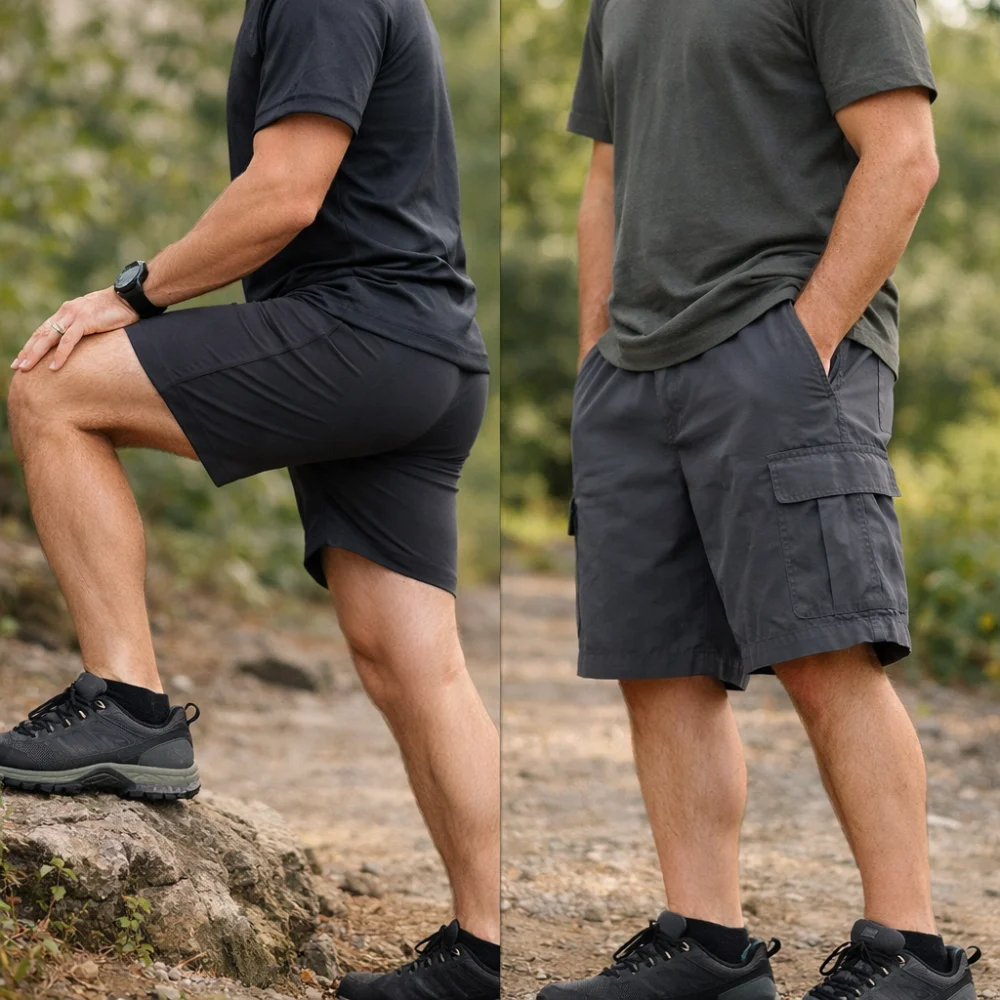
Pockets, closure styles and drying behaviour can all affect how useful the shorts feel away from the wall. Cargo-style storage may be handy for everyday use, but extra volume can be less streamlined for climbing. Decide whether you want maximum practicality for general outdoor wear or a cleaner, more movement-focused design.
Product types and variants
Within this category, the main differences are usually about use rather than a strict technical split. Some shorts lean more towards climbing performance, with a simpler and more mobile feel, while others are closer to general outdoor shorts and may favour pockets or everyday practicality.
If you climb indoors and outdoors, a more versatile pair may be enough. If you want shorts for regular rock use, you may prefer a design that feels more secure and less bulky. The limitation of a more versatile style is that it may not feel as purpose-built, while a more climbing-focused short may offer less everyday storage.
Which features suit different buyers?
| Buyer need | What usually helps | What to be cautious about |
|---|---|---|
| Indoor climber | Comfort, stretch and a clean fit | Overly heavy or bulky designs |
| Outdoor climber | Durability, secure fit and practical movement | Very lightweight shorts that may feel less robust |
| Warm-weather buyer | Breathable, lighter-feeling fabric | Features that add weight or reduce airflow |
| General outdoor wearer | Pockets and versatile styling | Climbing-specific cuts that may feel less versatile off the wall |
| Buyer replacing older shorts | Similar fit with improved comfort or practicality | Changing waist style or leg shape too much at once |
Common mistakes and misunderstandings
- Assuming all outdoor shorts are the same. Climbing shorts often need more stretch and a more movement-friendly cut than casual shorts.
- Focusing only on pockets. Storage is useful, but comfort under movement usually matters more for climbing.
- Choosing a fit that is too tight. A short that looks neat but restricts movement may be disappointing in use.
- Ignoring waistband comfort. The waist is one of the first places you notice problems during a long session.
- Overlooking the intended use. A pair that is excellent for everyday wear may still not be the best match for climbing-specific movement.
Safety and suitability caveats
Climbing shorts are a clothing choice, not a safety product, so the main question is suitability rather than protection. Check that the fit, length and waistband work for your planned activity and do not interfere with movement or with any harness you use. If you climb in mixed conditions, think about weather, friction and how much layering you normally wear.
Maintenance, storage and lifespan considerations
Shorts that are used for climbing and outdoor wear are likely to need regular washing and sensible storage. If a pair uses stretch fabric or lighter construction, it may be worth checking care guidance on the individual product page so you can keep the fit and feel for longer. As with most clothing, repeated abrasion and frequent use will affect appearance and comfort over time.
How to compare options efficiently
- Decide where you will wear the shorts most often: indoor climbing, outdoor climbing or general outdoor use.
- Compare fit first, especially through the waist and thighs.
- Check whether the fabric and cut suggest more stretch, more durability or more everyday versatility.
- Review practical details such as pockets and waistband design.
- Read the individual product page carefully and weigh the trade-offs rather than relying on the category name alone.
Summary buyer decision checklist
- Does the fit allow easy movement?
- Will the waistband feel comfortable in use?
- Is the fabric likely to suit your climate and activity level?
- Do you want climbing focus or more everyday versatility?
- Are the pockets and closures practical for how you plan to use them?
- Have you checked the individual product page for the details that vary by model?
Frequently asked questions
Are climbing shorts different from regular outdoor shorts?
Often, yes. Climbing shorts usually place more emphasis on movement, comfort and a waistband that works well in active use. Regular outdoor shorts may still be suitable, but they do not always offer the same balance of stretch and climb-friendly fit.
Should I choose a tighter or looser fit?
Neither is automatically better. A tighter fit can feel neat and less bulky, while a looser fit may allow more freedom of movement. The right choice depends on your body shape, how you move and whether you want the shorts mainly for climbing or also for everyday wear.
Do pockets matter for climbing?
They can, but they are not the first thing to prioritise. Pockets are useful for carrying small items before and after a session, yet too much bulk can be inconvenient when climbing. A simpler layout is often easier to live with on the wall.
Are lighter shorts always better for warm weather?
Lighter shorts are often more comfortable when temperatures rise, but they are not the only factor. Fit, breathability and how the shorts move with you all matter too. A slightly sturdier pair may still be the better choice if you want more durability.
Can climbing shorts be used for hiking as well?
Many can, especially if you want one pair for mixed outdoor use. The main question is whether the design gives you enough comfort, storage and versatility for both activities. If hiking is a major use, consider whether the shorts feel practical beyond climbing.
What should I double-check before buying online?
Check the fit guidance, fabric description, waistband style and pocket layout on the individual product page. If the details matter to you, compare them carefully rather than relying on the category name alone. Specifications vary by model, so always check the individual product page before buying.