


Men’s golf jackets are designed to help you stay comfortable when the weather changes on the course. The right choice depends on how much protection you need, how warm you tend to run and how freely you want to move through the swing.
This guide focuses on the features that usually matter most: weather protection, breathability, stretch, layering and fit. It also covers the common compromises, because a jacket that blocks wind well may feel different from one that feels lighter and more flexible.
If you are comparing options, it helps to think about when and where you will wear the jacket. A mild, breezy round asks for different qualities from a cold, wet or changeable day.
Compare Men's Golf Jackets


As an Amazon Associate we earn from qualifying purchases.
What should you look for in a men’s golf jacket?
The best starting point is matching the jacket to your usual playing conditions. For some golfers that means a light layer against wind and drizzle; for others it means a warmer, more protective outer layer for colder rounds. The main trade-off is usually protection versus freedom of movement and breathability. Specifications vary by model, so always check the individual product page before buying.
| Feature | What it means | Why it matters | What to check |
|---|---|---|---|
| Weather protection | How well the jacket helps against wind, light rain or damp conditions | Affects how usable the jacket is when the weather turns | Look for the level of protection described for the product and whether it suits your local conditions |
| Breathability | How readily moisture and warmth can escape | Helps reduce overheating when walking the course or playing a full round | Check whether the jacket is described as breathable or vented |
| Stretch and mobility | How easily the fabric moves with your body | Important for a natural swing and comfortable layering | Consider whether the jacket is intended to feel flexible rather than restrictive |
| Fit and layering room | How the jacket sits over a polo, mid-layer or base layer | A fit that is too tight can feel limiting; too loose can feel bulky | Review the cut and any sizing guidance on the individual listing |
| Warmth | The amount of insulation or body warmth the jacket is designed to provide | Helps decide whether it is for cool, cold or changeable weather | Check whether it is a light outer layer or a more insulating style |
| Packability | How easy it is to carry when conditions improve | Useful if you want a jacket you can keep in your bag | Look for information on weight, foldability or whether it is easy to stow |
Key decision criteria
Weather protection
Golf jackets are often chosen for wind resistance first, then for the level of rain protection they provide. If you mainly play in breezy conditions, a lighter jacket may be enough. If you face colder or wetter rounds, you may need a more substantial outer layer. The key is to avoid overbuying protection you will not use, because extra coverage can bring extra bulk.
Freedom of movement
A jacket should feel comfortable when you turn, raise your arms and rotate through the swing. This is where fabric stretch, cut and overall shape matter. If you prefer a closer fit, make sure there is still room for layering and movement. If you prefer a looser fit, check that it will not feel baggy or catch your attention during play.
Breathability and comfort
Some jackets focus on keeping weather out, while others are better at letting heat escape. That difference matters on longer rounds or during brisk walking. If you run warm or tend to layer up, breathability can be as important as warmth. If you usually feel cold, you may value insulation more than airflow.
Layering
Think about what you will wear under the jacket. A jacket that works well over a polo may feel different once you add a mid-layer. Buying with layering in mind helps prevent a fit that feels fine in the house but awkward on the course. This is especially useful if you want one jacket for a range of conditions rather than a single-season option.
Fit and length
Different cuts suit different preferences. Some golfers like a neater fit to reduce bulk, while others prefer a little more room for comfort. Length also matters because you want coverage without the jacket feeling in the way. Check the product page for sizing notes, and if measurements are available, compare them with something you already wear comfortably.
Types and variants within the category
Within men’s golf jackets, the main differences are usually about weight, warmth and weather resistance rather than dramatic changes in use. A lighter jacket can suit mild, changeable days and frequent layering. A warmer or more protective jacket may suit colder rounds, but it may feel less airy or less compact.
Some buyers want a jacket mainly as a wind layer, while others want something closer to all-round outerwear for the course. The better choice depends on whether you need mobility first, weather protection first or a balance of both.
Which jacket suits which buyer?
| Buyer need | Likely priority | What to favour | Main trade-off |
|---|---|---|---|
| Frequent golfer in changeable weather | Balanced protection and comfort | A jacket with enough weather resistance for breezy or damp days, plus usable breathability | May not be the warmest or most compact option |
| Cold-weather golfer | Warmth and layering space | A jacket with room for a mid-layer and enough coverage for colder rounds | Extra warmth can mean more bulk |
| Player who wants maximum freedom of movement | Flexibility | A lighter, stretch-friendly jacket that feels unobtrusive in the swing | May offer less insulation or weather protection |
| Buyer looking for a carry-in-the-bag layer | Packability | A jacket that is easy to stow and quick to put on when conditions change | Very compact options may be less substantial in cold weather |
| Occasional golfer | Simple all-round use | A straightforward jacket with a balanced feature set | May not be specialised for extreme conditions |
Common mistakes and misunderstandings
- Choosing by weather protection alone. A jacket that sounds robust may still feel uncomfortable if it is too warm, too stiff or too bulky for your swing.
- Ignoring layering. A jacket that fits over a T-shirt may not be comfortable over a polo and mid-layer together.
- Assuming all golf jackets are the same. Some are aimed more at wind, some at rain and some at general comfort, so the details matter.
- Overlooking breathability. If you walk most rounds, comfort can drop quickly if the jacket holds too much heat.
- Not checking fit guidance. A neat golf cut and a regular casual cut can feel quite different once you start moving.
Safety and suitability caveats
A golf jacket should be chosen for the conditions you actually expect to face, not for the most extreme weather you can imagine. If you regularly play in heavy rain or very cold conditions, check the product details carefully rather than assuming a jacket is suitable because it looks sporty. For any model, specifications vary by model, so always check the individual product page before buying.
Maintenance, storage and lifespan considerations
Care needs can affect value as much as features do. A jacket that is easy to clean and simple to store may be more practical if you use it often. If a jacket is designed with performance fabrics or weather-resistant finishes, it is sensible to follow the care guidance on the product page so the garment keeps its intended feel and appearance for longer.
How to compare options efficiently
- Decide when you will wear the jacket most often.
- Choose the main priority: warmth, weather protection, breathability or mobility.
- Check the fit and whether you need room for layering.
- Compare the practical details that matter on the course, not just the general description.
- Read the individual product page carefully before deciding.
Summary buyer decision checklist
- Does the jacket suit the weather you usually play in?
- Will it let you swing freely without feeling restrictive?
- Is there enough room for the layers you actually wear?
- Does the balance of warmth and breathability match your needs?
- Is the fit likely to feel comfortable over a full round?
- Have you checked the individual product details before buying?
Frequently asked questions
What makes a golf jacket different from an ordinary casual jacket?
Golf jackets are usually chosen with movement, layering and course comfort in mind. That means the shape, fabric feel and weather protection can matter more than they would in a general casual jacket. The right one should feel practical both when standing still and when swinging.
Should I choose a lighter jacket or a warmer one?
That depends on when you play most often. If you often face breezy conditions or mild weather, a lighter jacket may be more versatile. If you play in colder months, a warmer option may be more useful, even if it feels less compact.
How important is stretch in a golf jacket?
Stretch can make a noticeable difference to comfort, especially through the shoulders and arms. It is not essential for every buyer, but many golfers appreciate the extra freedom of movement. If you prefer a neater fit, stretch can help avoid the jacket feeling tight.
Do I need a waterproof jacket for golf?
Not every golfer does. Some buyers only need a jacket for wind or light showers, while others want something more protective for wetter conditions. Think about the weather you actually face most often and check the product details for the level of protection described.
Can I wear a golf jacket over a mid-layer?
Often yes, but fit matters. Some jackets are designed with layering in mind, while others are cut more closely. If you usually play with extra layers underneath, check for enough room before choosing a size.
What should I check first on the product page?
Start with the intended weather use, the fit and the amount of layering room. After that, look at breathability and any notes about warmth or packability. Those details usually tell you much more than a short title alone.
How to compare rain-protection claims
Terms such as “water-resistant” and “waterproof” can signal different levels of intended protection, but the wording alone does not tell you how a particular jacket will perform in your conditions. Check the individual product information for any stated protection level and relevant construction details, such as seam treatment, where provided. If those details are not specified, avoid assuming the jacket is suitable for prolonged or heavy rain.
More Men's Golf Jackets
See all 87 Men's Golf Jackets →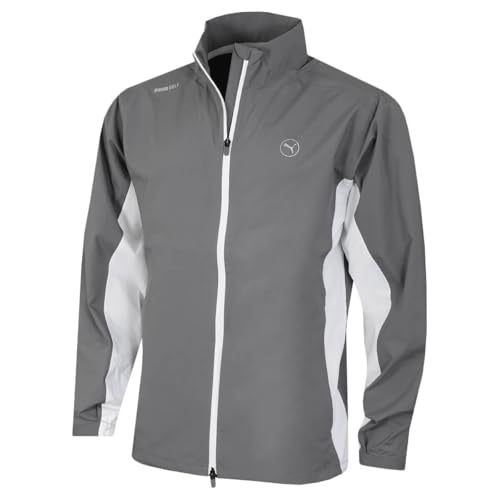


As an Amazon Associate we earn from qualifying purchases.