


Men’s outdoor hoodies sit somewhere between casual comfort and practical outdoor layering. They can be useful for walking, travel, light activity and cooler days when you want something easy to wear rather than a fully technical shell.
The main challenge is that not every hoodie in this category serves the same purpose. Some are better as warm mid-layers, some are lighter and more breathable, and some are designed with more active use in mind.
This guide helps you narrow down what suits your plans, your climate and how you prefer to wear layers. It focuses on the buying questions that matter most before you compare individual product pages.
Compare Men’s Outdoor Hoodies



As an Amazon Associate we earn from qualifying purchases.
What should you look for in a men’s outdoor hoodie?
The best place to start is with intended use: a hoodie for relaxed outdoor wear will not need the same balance of warmth, breathability and movement as one chosen for more active days. Think first about whether you want extra insulation, easy layering, sun protection, or a lightweight top you can wear on its own. Specifications vary by model, so always check the individual product page before buying.
| Feature | What it means | Why it matters | What to check |
|---|---|---|---|
| Fabric weight | How substantial the material feels | Affects warmth, drape and how bulky it feels under other layers | Whether the hoodie is intended as a lighter layer or a warmer one |
| Breathability | How easily heat and moisture can move away from the body | Important if you will walk, travel actively or wear it for long periods | Product wording about quick-dry, lightweight or active use |
| Fit | How closely the hoodie sits on the body | Changes comfort, movement and how well it layers | Whether it is described as relaxed, regular or closer-fitting |
| Hood design | How the hood sits and whether it feels substantial | Can affect coverage, comfort and how well it works in wind or cooler weather | Any mention of drawcords, shaping or a more technical hood |
| Fastening | Pullover or zip-front style | Changes ease of on-off, ventilation and layering flexibility | Whether you prefer a simple pullover or a more adjustable zip style |
| Pockets and storage | Where you can keep small items or warm your hands | Useful for everyday carry, but adds bulk and weight | Whether pockets are hand-warmer style, zipped or absent |
Key factors that affect the right choice
Warmth versus ventilation
Outdoor hoodies vary from lighter tops that work well in mild conditions to thicker layers aimed at cooler weather. A warmer hoodie is useful if you often feel the cold or spend more time standing around, while a lighter one can be better if you move a lot and want less overheating. The trade-off is simple: more warmth usually means less flexibility when the weather changes.
Layering under other clothing
If you want the hoodie to sit under a jacket, the cut and bulk matter as much as the look. A slimmer or less bulky style is usually easier to layer, while a roomier style may feel more comfortable on its own. Check how the product is described and whether the garment is meant for casual wear, active use or mid-layer use.
Fabric feel and care
Some buyers want a soft everyday feel, while others prefer a smoother or more technical finish. That choice affects comfort as well as upkeep, because different fabrics can behave differently after repeated washing and wear. Look for any care notes on the product page and consider how often you will use the hoodie outdoors rather than just indoors.
Pocket layout and practical use
Pockets are not just a convenience detail. Hand-warmer pockets may make a hoodie more pleasant for casual use, while zipped pockets can be helpful if you are moving about more or carrying small items. If you do not need storage, a simpler design may feel lighter and less cluttered.
Common types and variants
Within men’s outdoor hoodies, the main differences are usually about structure rather than radically different product families.
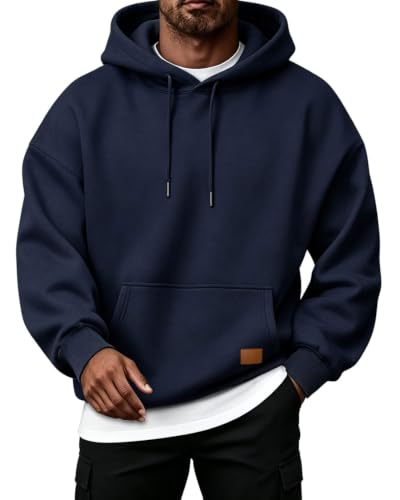
- Pullover hoodies are simple and familiar, often chosen for comfort and easy wear.
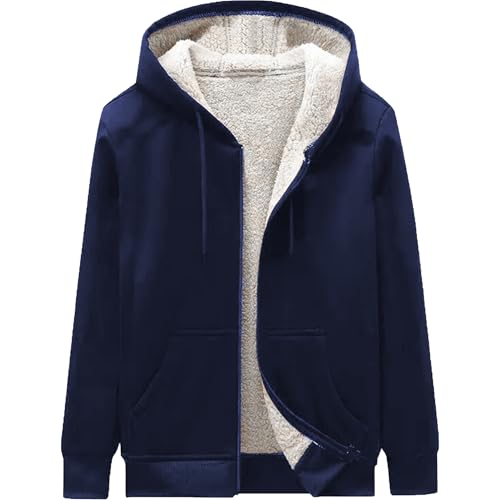
- Zip-front hoodies give more control over ventilation and are easier to take on and off.
- Lighter outdoor hoodies suit layering and active use in milder conditions.
- Warmer, heavier styles can suit cooler weather or slower-paced outdoor use.
Which one suits you depends on whether you prioritise convenience, layering, temperature control or a more substantial feel.
Which hoodie suits which kind of buyer?
| Buyer need | Likely better choice | Why | Watch out for |
|---|---|---|---|
| Everyday casual outdoor use | Comfort-focused pullover or zip hoodie | Easy to wear for varied routines and relaxed outings | Overspecifying technical features you may not need |
| Walking or more active days | Lighter, more breathable hoodie | Helps reduce overheating and is easier to move in | Choosing something too thick or heavy |
| Layering in cooler weather | Less bulky mid-layer style | Sits more neatly under outer layers | A fit that is too loose or too warm for layering |
| Travel and on-the-go wear | Practical zip-front or easy-on style | Convenient for changing temperatures | Details that add bulk without adding real usefulness |
| Simple comfort first | Soft-feel hoodie with a familiar cut | Prioritises easy wear over technical features | Assuming all outdoor hoodies are equally suitable for activity |
Common mistakes to avoid
- Buying for looks alone. A hoodie can look right but still feel too warm, too light or too bulky for how you plan to use it.
- Ignoring layering needs. If you want to wear it under another layer, cut and thickness matter more than a casual first impression.
- Overvaluing features you will not use. Extra pockets, heavier fabric or more complex details are not automatically better.
- Assuming “outdoor” means technical. Some outdoor hoodies are mainly lifestyle pieces, so check the wording carefully.
- Not checking the fit description. A relaxed fit and a closer fit can feel very different even within the same size label.
Suitability and care considerations
A men’s outdoor hoodie is usually a low-risk purchase, but suitability still depends on how you plan to use it. If you want protection from wind, rain or harsh conditions, a hoodie alone may not be enough and may work better as part of a layered outfit. For active use, it is worth checking whether the material is described as breathable, quick-dry or lightweight.
For care and storage, the main point is to follow the product’s own guidance and think about how often the hoodie will be washed and worn. Frequent outdoor use can make easy-care fabrics more convenient, while softer casual styles may need a little more attention to keep their shape and feel.
How to compare options efficiently
- Start with the setting: everyday wear, walking, travel or layering.
- Decide whether you want warmth, breathability or a balance of both.
- Compare fit, fastening and bulk so the hoodie works the way you plan to wear it.
- Check pocket layout and hood design only if those details matter to your use.
- Read the individual product page carefully for the exact fabric, care notes and sizing information.
Summary checklist before you buy
- Is this hoodie for casual wear, layering or more active outdoor use?
- Do you want a warmer feel or a lighter, more breathable layer?
- Do you prefer a pullover or a zip-front style?
- Will the fit work under other clothing if needed?
- Are pockets, hood shape and overall bulk relevant to your use?
- Have you checked the product page for the exact details of the individual model?
Frequently asked questions
Are outdoor hoodies the same as regular hoodies?
Not always. Some are mainly casual hoodies with an outdoors-focused label, while others are made with lighter, more breathable or more practical features. The difference usually shows up in the fabric choice, fit and intended use.
Is a zip hoodie or pullover better?
Neither is always better. Zip-front styles are easier to vent and remove, while pullovers are often simpler and more familiar to wear. The right choice depends on whether you value convenience or a cleaner, more straightforward feel.
Can a men’s outdoor hoodie be used for walking and light activity?
Yes, if the fit and fabric suit that purpose. A lighter, more breathable hoodie is usually more comfortable for movement than a heavier casual layer. Check the product wording to see whether it is positioned for active use.
What matters most if I want to layer it?
Bulk and fit matter most. A hoodie that is too thick can feel awkward under a jacket, while a cut that is too loose may bunch up. Look for a shape that leaves enough room without adding unnecessary volume.
Do pockets matter much?
They can, depending on how you will use the hoodie. Pockets are handy for casual wear and hand warmth, but they are not essential for everyone. If you want a lighter, simpler layer, fewer pockets may be preferable.
How do I avoid choosing the wrong warmth level?
Think about how often you will be moving versus standing still, and whether the hoodie will be worn alone or as part of a layer system. If you are unsure, a more versatile mid-weight option is often easier to live with than something very heavy or very light.
Choosing a size for layering
If you plan to wear the hoodie beneath a jacket, compare the product’s sizing information with a layer you already find comfortable. Check whether measurements refer to the garment or the wearer, where that information is provided, and allow for the clothing you expect to wear underneath. A close fit may reduce bulk but feel restrictive over another layer; a looser fit gives more room but can bunch beneath an outer layer.
More Men’s Outdoor Hoodies
See all 370 Men’s Outdoor Hoodies →



As an Amazon Associate we earn from qualifying purchases.