


Nut tools are small but useful items in a climbing protection rack, especially for climbers who place and remove passive protection regularly. If you are comparing options, the main question is usually not how complicated the tool is, but how well it suits the way you climb and the kind of placements you expect to deal with.
Because this category sits within climbing protection, it helps to think in terms of handling, reach and ease of use rather than gimmicks. A good choice should make removal easier without getting in the way on the harness or taking up more space than you want.
For buyers new to this part of the rack, the main challenge is separating convenience features from genuinely useful ones. A simple, well-shaped tool can be more practical than a bulkier design if it is easier to grip and quick to access.
Compare Nut Tools

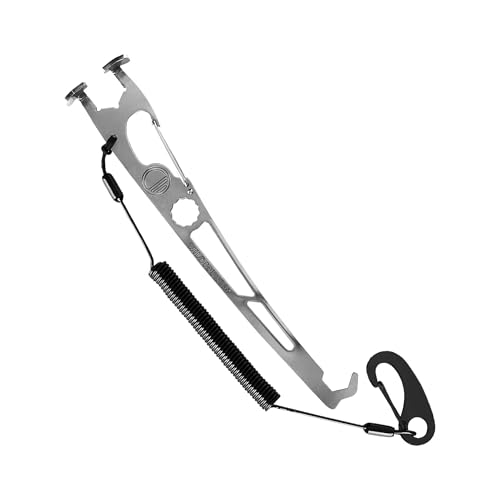

As an Amazon Associate we earn from qualifying purchases.
What should I look for in a nut tool?
Start with the shapes and handle features that make the tool comfortable to hold and easy to control with gloves or cold hands. Then look at whether the profile is compact enough for the way you carry gear, because a tool that is awkward on the harness often gets used less often. The best starting point is usually the simplest design that gives you a secure grip and enough leverage for your intended use.
The main trade-off is between compactness and ease of handling. A smaller tool may be tidier, while a larger or more shaped design may feel easier to use. Specifications vary by model, so always check the individual product page before buying.
| Feature | What it means | Why it matters | What to check |
|---|---|---|---|
| Handle shape | The form of the grip or body you hold | Affects comfort and control during removal | Look for a shape that feels secure and easy to grasp |
| Size and profile | How compact or bulky the tool is | Influences carry comfort and access on the harness | Check whether the tool looks easy to stow without snagging |
| Tip design | The working end used for levering or reaching | Determines how easily you can get under stuck gear | Compare the tip shape and whether it suits your usual placements |
| Grip security | How confidently it can be held when wet, cold or gloved | Helps with control and reduces fumbling | Look for a design that appears easy to manage in real conditions |
| Carry convenience | How the tool fits with the rest of your rack | Important for fast access and tidy storage | Consider weight, length and whether it seems easy to clip or tuck away |
Key decision criteria
Ease of grip
A nut tool should be easy to hold securely, especially if your hands are cold or you are working quickly at the end of a pitch. Comfortable grip usually matters more than elaborate shaping. If a tool looks slim or awkward, consider whether that will still feel manageable when you are tired.
Reach and leverage
Some tools are shaped to help you reach awkward placements or apply a bit more leverage. That can be helpful, but it may also make the tool less compact. Choose the balance that suits your climbing style rather than assuming longer is always better.
Carry size
On a harness, a tool that is too long or bulky can be annoying to keep out of the way. Smaller options are often better for minimalist racks, while a more pronounced shape may be preferable if ease of use matters most. Check how it will sit with your other protection and accessories.
Durability and finish
At category level, it is sensible to look for a straightforward construction that should cope with regular use and storage. For this sort of gear, a clean, simple finish often matters more than cosmetic detail. Do not assume appearance alone tells you how well it will age.
Because nut tools are used with climbing protection, the most useful comparison is usually about control, not complexity. A simple tool that feels secure in hand is often easier to live with than one that tries to do too much.
Types and variants within this category
This category is relatively narrow, so the main differences are usually in shape, size and how the tool is intended to feel in use. Some versions will prioritise compact carry, while others may favour a more substantial handle or working end. The choice is less about strict types and more about which design details suit your preferences.
- Compact tools: Suitable if you want something unobtrusive and easy to stash. The main limitation is that very small tools may be less comfortable to use with gloves.
- More shaped tools: Suitable if you want a more obvious grip and easier handling. The main limitation is extra bulk on the harness.
Which buyer needs point to which kind of tool?
| Buyer need | What tends to matter most | Likely trade-off |
|---|---|---|
| Occasional climber | Simplicity and easy carry | May not need the most elaborate handle |
| Regular climber | Comfort, control and quick access | May accept a slightly larger profile |
| Minimalist rack | Compact size and tidy storage | May give up some grip comfort |
| Gloved or cold-weather use | Secure handling and obvious shape | May be less slim than the smallest options |
Common mistakes and misunderstandings
- Choosing by looks alone: A neat design is not the same as an easy-to-use one. Focus on grip, shape and how it will feel in real use.
- Ignoring carry comfort: A tool that snags or feels bulky may be left behind. Check whether the size looks sensible for your harness setup.
- Assuming bigger is always better: More size can mean more leverage, but also more weight and clutter. Decide what matters more for your climbing.
- Overlooking hand comfort: If the tool is hard to hold, it may be less useful when you need it quickly. Practical handling is the key trade-off in this category.
Safety and suitability caveats
Nut tools are part of climbing protection use, so it is worth treating them as specialist accessories rather than general-purpose tools. Check that the design suits your intended climbing and the way you organise your rack. If you are unsure how a tool will work with your other gear, the individual product page should be your main reference.
Do not assume that any one design will suit every climbing situation. The safest buying approach is to match the tool to the kind of use you expect, then check the product details carefully.
Maintenance, storage and lifespan considerations
For a simple accessory like this, care is usually straightforward: keep it clean, dry and easy to inspect when stored with the rest of your gear. Avoid letting it rattle around loose with other metal items if that could damage the finish or make it harder to find when needed.
If the tool has any shaped grip or special surface finish, think about how that may wear with repeated use and storage. A design that is easy to clean and unlikely to snag often stays more pleasant to use over time.
How to compare options efficiently
- Decide how you expect to use the tool most often.
- Choose the overall size and shape that looks easiest to handle.
- Compare grip comfort, compactness and carry convenience.
- Consider the likely trade-off between leverage and bulk.
- Check the individual product page for the final details before buying.
Summary buyer decision checklist
- Does the tool look comfortable to hold?
- Is the size sensible for your rack and storage style?
- Will the shape feel easy to control with cold or gloved hands?
- Does the design suit the kind of climbing you do?
- Have you checked the individual product details rather than relying on category-level assumptions?
Frequently asked questions
What is a nut tool used for?
A nut tool is used as a small accessory for working with climbing protection, usually to help with the removal of gear. The exact way it feels and functions can vary, so the shape and grip are often the most important things to compare. Think of it as a practical helper rather than a complicated piece of equipment.
Do I need a large nut tool?
Not necessarily. Larger tools may feel easier to grip or use for leverage, but they can also be bulkier to carry. If you prefer a tidy harness setup, a smaller design may be the better fit.
Should I choose the most compact option?
Only if compact carry matters most to you. Very small tools can be convenient, but they are not always the most comfortable to hold. The better choice is usually the one that balances portability with control.
Are nut tools all the same?
No, the details that matter are usually shape, size and handling. Two tools in the same category can feel quite different in use. That is why it helps to compare the product page carefully rather than assuming one design is interchangeable with another.
What matters more: grip or leverage?
That depends on how you climb and what you want from the tool. Grip usually helps with comfort and control, while leverage can help in more awkward situations. If you are unsure, a balanced design is often the most practical place to start.
How do I know if a nut tool will suit my setup?
Check how much space you have on the harness, how often you expect to use it and whether you prefer a compact or more substantial feel. Specifications vary by model, so always check the individual product page before buying. The right fit is usually the one that matches your carrying style and handling preferences.
A nut tool is not climbing protection
A nut tool is an accessory for working with placed protection; it is not itself load-bearing protection and must not be treated as part of an anchor or as a substitute for suitable climbing equipment. Choose protection separately for the intended use, and follow appropriate instruction for climbing and protection placement.
Ready to choose?
See all 4 Nut Tools →As an Amazon Associate we earn from qualifying purchases.