

Outdoor headbands are a simple bit of headwear, but the right choice can make a noticeable difference to comfort on colder or windier outings. They are often chosen for activities where you want some warmth around the ears without the full coverage of a hat.
This guide helps you compare the main options by fit, fabric, coverage and intended use. It is aimed at shoppers who want a practical starting point rather than a long list of unrelated features.
Because this category can include sport-focused and warmth-focused styles, the key is to match the headband to how you will actually wear it. A running headband, for example, may feel quite different from a wide fleece style made mainly for cold-weather comfort.
Compare Outdoor Headbands


As an Amazon Associate we earn from qualifying purchases.
What should you look for in an outdoor headband?
The best starting point is the conditions you expect to use it in and how much coverage you want. If you mainly need to keep ears warmer on walks, a broader, fleece-lined or thermal style may suit you better than a very light sports band. If you want something for exercise, a slimmer and more secure fit may matter more than maximum warmth.
Think of the choice as a trade-off between warmth, breathability, coverage and comfort. Specifications vary by model, so always check the individual product page before buying.
| Feature | What It Means | Why It Matters | What To Check |
|---|---|---|---|
| Fit | How securely the headband sits on the head | Too loose can slip; too tight can feel uncomfortable | Look for size guidance, stretch and intended fit |
| Width and coverage | How much of the forehead and ears the band covers | Wider styles usually give more warmth and protection | Check the shape and whether it is designed to cover the ears |
| Material | The fabric used for comfort and insulation | Different materials suit exercise, layering or colder weather | Read the product description for fabric type and lining |
| Breathability | How well it manages heat and moisture | Important if you will wear it while moving or running | See whether the design is described as lightweight or moisture-managing |
| Stretch | How much give the headband has | Affects comfort and whether it stays in place | Check whether it is elastic, one-size or size-specific |
| Intended use | Whether it is aimed at sport, casual wear or cold-weather comfort | Helps narrow the range quickly | Match the product description to your main activity |
Key decision criteria explained
Warmth versus breathability
A warmer headband usually gives better ear coverage and feels more suitable in cold conditions. The trade-off is that thicker styles can be less comfortable if you are working hard or moving fast. If you expect changing conditions, look for a style that balances insulation with ventilation rather than assuming thicker is always better.
Fit and stability
A good headband should stay put without constant adjustment. This matters most if you are running, cycling or walking briskly. A very snug fit may improve stability, but it can become tiring if you wear it for a long time.
Width, shape and ear coverage
Some headbands are narrow and mainly act as a light sports band, while others are wider and shaped to keep more of the ears covered. Wider styles tend to suit colder weather, but they may feel warmer than you want during exercise. Consider how much coverage you actually need rather than assuming a broader band is always more versatile.
Fabric feel and comfort
Fabric choice affects softness, stretch and how the headband sits against the skin. For some buyers, the feel matters as much as warmth, especially if the headband will be worn for long periods. If you are sensitive to texture or pressure, check the product description carefully for the type of material used.
Product types and variants
Outdoor headbands are often grouped by how they are built and where they are likely to be used. The most common broad distinctions are sporty elastic styles and warmer, more insulating styles.
- Sport headbands: Usually slimmer and more breathable, making them a practical choice for active use.
- Thermal or fleece-style headbands: Usually aimed at colder weather and greater ear warmth, with comfort often prioritised over minimal bulk.
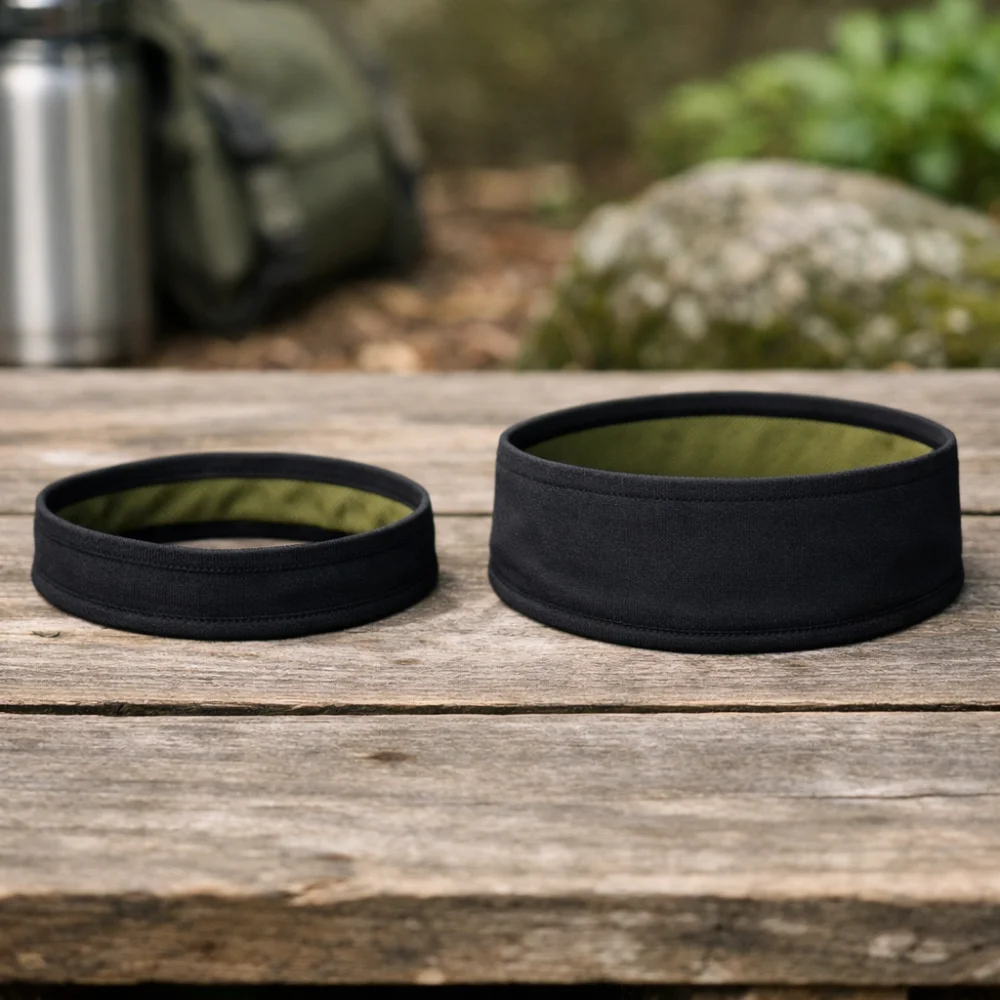
- Wide wrap-style headbands: Often chosen when coverage matters more than a barely-there feel, though they can be warmer to wear.
The main limitation is that a style optimised for one use may not be ideal for another. A very light sports band may not feel warm enough on a cold evening, while a thicker style may feel too warm for faster exercise.
Which type suits different buyers?
| Buyer need | Helpful features | Possible compromise |
|---|---|---|
| Running or other active use | Secure fit, stretch, breathability | May offer less insulation than a thicker style |
| Cold walks or casual outdoor wear | Wider coverage, softer fabric, warmth | May feel bulkier or warmer than needed for exercise |
| Layering with other headwear | Low-profile shape, comfortable seams | May provide only light coverage on its own |
| Gift buying | Simple sizing, versatile design, neutral appearance | Harder to choose if the recipient has strong fabric or fit preferences |
Common mistakes and misunderstandings
- Choosing by look alone: A style that looks similar to another can feel very different when worn. Check the intended use and coverage rather than relying on appearance.
- Assuming one size suits everyone: Stretch helps, but fit still matters. If you are unsure, look for size guidance or a clear description of the fit.
- Overvaluing thickness: More fabric can mean more warmth, but it can also mean more heat and less comfort during activity.
- Ignoring ear coverage: Some buyers want forehead coverage when they really need the ears protected. Make sure the shape matches your main need.
Safety and suitability caveats
Outdoor headbands are a comfort and clothing choice, not a substitute for appropriate weather planning or other protective clothing. If you are using one in wet, windy or very cold conditions, check whether the design suits those conditions before relying on it.
For children, sensitive skin or strong preferences about fit and texture, it is sensible to check the product description closely. Specifications vary by model, so always check the individual product page before buying.
Maintenance, storage and lifespan considerations
General care is usually straightforward, but the details can affect how long the headband stays comfortable. Some styles may be easy to wash and quick to dry, while others may need a bit more care to keep their shape or softness.
If you plan to carry one in a bag or pocket, think about how well it will keep its form and whether it can be stored without getting twisted or stretched. For frequent use, a simple design that is easy to clean and put back into service is often the most practical choice.
How to compare options efficiently
- Start with the main use: exercise, casual wear, commuting or colder outdoor activities.
- Decide how much warmth and ear coverage you want.
- Compare fit, stretch and fabric type rather than only the appearance.
- Check whether breathability or insulation matters more for your use.
- Read the individual product page for any size guidance or care information before deciding.
Summary buyer decision checklist
- Does the headband suit your main activity?
- Is the fit likely to feel secure but not too tight?
- Does the width give enough ear coverage for your needs?
- Is the material suitable for warmth, breathability or both?
- Will it be comfortable for the length of time you plan to wear it?
- Have you checked the individual product page for the exact details?
Frequently asked questions
Are outdoor headbands mainly for sport or for warmth?
They can serve either purpose, depending on the design. Slimmer styles are often chosen for exercise, while wider and warmer versions are more often used for cold-weather comfort.
How do I know if a headband will stay in place?
Look for information about stretch, fit and intended activity. A secure-feeling design usually matters more for running or cycling than for relaxed walking.
Is a wider headband always better?
Not necessarily. Wider styles often give more coverage and warmth, but they may feel too warm or bulky for active use.
Can one headband work for different activities?
Some can, especially if the design is fairly balanced. However, a headband that feels ideal for exercise may not be the best choice for very cold weather.
What matters more: material or fit?
Both matter, but fit is often the first thing buyers notice in use. A comfortable material can still disappoint if the band slips or feels too tight.
Should I choose a thermal style for all outdoor use?
Only if you expect cold conditions or want extra warmth. Thermal styles can be less comfortable in milder weather or during higher-intensity activity.
More Outdoor Headbands
See all 193 Outdoor Headbands →


As an Amazon Associate we earn from qualifying purchases.