


Pack buckles are a small part of a pack, but they can make a big difference to whether a repair is worthwhile and whether a closure feels secure in use. Buyers usually want a replacement for a broken buckle, a spare for a DIY repair, or a buckle that suits a specific strap width and use case.
Because buckles vary in shape, fitting method and intended strap size, the main decision is usually compatibility rather than brand choice. The best starting point is to identify what you are replacing, how it attaches, and how much load or adjustment the fastening needs to handle.
Compare Pack Buckles


As an Amazon Associate we earn from qualifying purchases.
What should you look for in a pack buckle?
Start with fit, then look at the style of closure and the way the buckle attaches to the strap or webbing. A buckle that looks similar may still be wrong if the opening, slot arrangement or release style does not match the original part. Specifications vary by model, so always check the individual product page before buying.
| Feature | What It Means | Why It Matters | What To Check |
|---|---|---|---|
| Strap compatibility | The width and type of webbing or strap the buckle is meant to work with | A mismatch can make the buckle loose, awkward to thread or unusable | Measure the strap and compare it with the product description |
| Attachment style | How the buckle connects to the pack or strap | Different fittings suit different repairs and replacements | Check whether it is a side-release, ladderlock or another attachment format |
| Closure action | How the buckle opens, locks and releases | It affects ease of use, security and how quickly you can adjust the strap | Look for the type of fastening and consider one-handed use if that matters |
| Strength expectation | How much strain the buckle is intended to cope with | Some buckles are better for light accessories, others for more heavily loaded straps | Check the product details for intended use and any stated limitations |
| Repair approach | Whether the buckle is a sew-in, replacement or quick-fit part | It affects how easy the repair is and whether extra tools are needed | Confirm how it is meant to be fitted before you buy |
Which buckle type suits the job?
Replacement buckles
These are usually chosen when an original buckle has cracked, worn or gone missing. They are a practical option if you want to restore function without changing the rest of the pack. The key limitation is that replacement parts still need to match the strap and attachment method closely.
Side-release buckles
These are common where quick opening and closing matters. They can suit chest straps, daypack adjustments and other everyday uses, but they are only appropriate when the strap layout and fitting match the design.
Ladderlock-style buckles
These are often used where adjustment is more important than rapid release. They are useful when you want a strap to hold its position securely, although the exact threading path needs to be right for the buckle to work properly.
Other pack hardware
Some buyers search for a buckle when the real issue is a damaged adjuster, a strap end or another piece of pack hardware. If the fastening problem is broader than the buckle itself, compare the whole strap assembly before deciding on a replacement part.
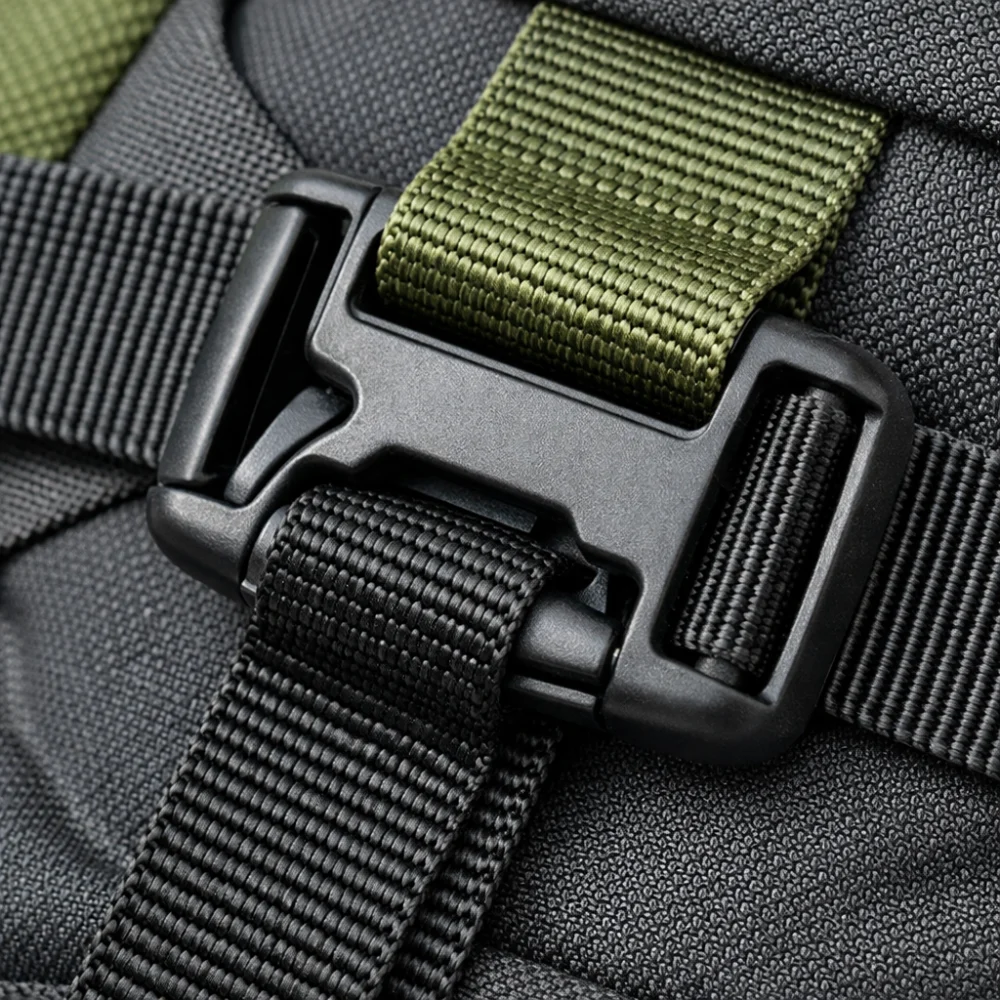
How to match a buckle to your needs
| Buyer need | What usually matters most | Typical trade-off | What to verify |
|---|---|---|---|
| Simple replacement | Exact fit and attachment style | Fastest repair may still require careful matching | Measure the strap and compare the fitting shape |
| DIY gear repair | Ease of installation and compatibility | A more flexible part may not be the neatest option | Check whether sewing, threading or hardware removal is needed |
| Everyday pack use | Convenient opening and closing | Quick release can be less suited to load-holding needs | Look at closure type and intended application |
| Light accessory strap | Small, practical closure | Compact parts may not suit heavier loads | Confirm the buckle is intended for the strap size and use |
Common mistakes to avoid
- Matching by appearance alone: two buckles can look similar but still differ in how they thread or attach.
- Ignoring strap width: even a good buckle can be the wrong choice if the webbing size does not suit it.
- Replacing only one part of a worn system: if the strap end or adjuster is also damaged, the repair may not hold up well.
- Assuming one buckle suits every job: quick-release and adjustment-focused buckles are not interchangeable in every situation.
Safety and suitability checks
Pack buckles are simple components, but they still need to suit the intended use. A buckle used on a lightly loaded accessory strap is not the same decision as one that helps secure a more important closure on a pack. If the fastening contributes to carrying stability, take compatibility and secure engagement seriously rather than choosing only by colour or appearance.
It also helps to think about who will use the pack and how often the buckle will be opened. Easier release can be convenient, but a fastening that is too easy to disengage may not suit every application.
Care, storage and longevity
Most buckles need very little maintenance, but dirt, grit and strain can shorten their useful life. Keeping the strap path clear and storing the pack without unnecessary twisting or crushing can help reduce wear. If a buckle becomes stiff, cracked or visibly distorted, replacement is usually the sensible buying decision rather than continued use.
How to compare options efficiently
- Identify the exact part you are replacing or adding.
- Measure the strap or webbing and note how the buckle attaches.
- Choose the buckle style that suits the way the closure needs to work.
- Compare the product details for fitting method, intended use and limitations.
- Check whether the repair needs any additional hardware or tools.
Summary buyer checklist
- Does the buckle match the strap width and attachment method?
- Is it the right style for quick release or secure adjustment?
- Does it suit the repair, replacement or DIY project you have in mind?
- Have you checked the individual product page for fitting details?
- Will the rest of the strap or hardware still be in good enough condition to support the new buckle?
Frequently asked questions
How do I know which pack buckle I need?
Start by identifying the buckle type on the pack and the width of the strap or webbing it uses. If the old part is still available, compare the shape, threading path and fitting method rather than relying on appearance alone.
Are all pack buckles interchangeable?
No. Buckles vary in how they attach, how they release and what strap sizes they suit. A similar-looking part may still be a poor fit if the webbing or fastening style is different.
Should I replace the whole strap or just the buckle?
If only the buckle is damaged and the strap is otherwise sound, a buckle replacement can be the more practical choice. If the strap is frayed, stretched or badly worn, replacing more than one part may be the better long-term decision.
What is the difference between a side-release buckle and a ladderlock?
A side-release buckle is typically chosen for quick opening and closing, while a ladderlock style is more about holding and adjusting strap position. The right choice depends on how the strap is used and how often it needs to be opened.
Do I need tools to fit a pack buckle?
Sometimes, but not always. Some replacements are straightforward, while others need sewing, threading or removal of existing hardware. Check the fitting method on the individual product page before choosing.
Can I use a pack buckle for outdoor gear repairs other than backpacks?
Possibly, if the strap width, fitting method and intended use are suitable. The important point is not the item name alone but whether the part matches the hardware and load it will need to handle.
Measuring a replacement buckle
Measure the width of the webbing where it passes through the buckle, then compare that measurement with the buckle’s stated webbing or strap width. Do not assume the buckle’s overall outside width is the same as the width it is designed to fit. Also check how the existing buckle joins the strap and, where relevant, whether the replacement needs to match a particular buckle half or threading arrangement.
More Pack Buckles
See all 66 Pack Buckles →


As an Amazon Associate we earn from qualifying purchases.