


Pop-up tents are aimed at buyers who want a quicker, simpler start to camping or occasional outdoor overnights. They are often considered by beginners, festival campers and anyone who values fast pitching more than compact packed size.
The trade-off is usually convenience versus portability and flexibility. Before choosing, it helps to think about who will use the tent, how often it will be carried, and how much comfort you want once it is set up.
Because pop-up tents can vary widely in layout and materials, the most useful comparison is not simply how fast they pitch. It is whether the tent suits your group size, the sort of weather you expect, and how easy it will be to pack away afterwards.
Compare Pop-Up Tents

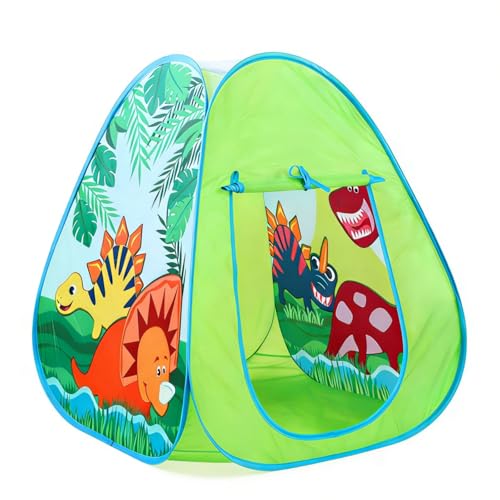


As an Amazon Associate we earn from qualifying purchases.
What should you look for in a pop-up tent?
Start with the balance between easy pitching, usable space and pack-down convenience. A pop-up tent can be a very practical choice if you want less setup effort, but the easiest tent to raise is not always the easiest to live with for a full trip. The main job is to choose the right compromise for your use.
Specifications vary by model, so always check the individual product page before buying.
| Feature | What it means | Why it matters | What to check |
|---|---|---|---|
| Pitching style | How the tent opens or folds into shape | Affects how quickly you can get camp ready | Whether the setup suits one person, a couple or a larger group |
| Sleeping capacity | How many people the tent is intended to hold | Impacts comfort, movement space and storage room | How much usable space there is once sleeping mats or bags are inside |
| Packed size | How much room the tent takes when folded away | Important for car boots, carrying and storage at home | Whether the packed shape suits your transport and storage space |
| Weather suitability | How the tent is intended to cope with typical outdoor conditions | Helps match the tent to the trips you actually plan | Fabric type, seams, ventilation and any model-specific weather notes |
| Ventilation | How air moves through the tent | Can affect comfort, condensation and stuffiness | Mesh panels, vents and door arrangement |
| Interior layout | The shape and usable floor area inside | Changes how easy it is to sleep, store kit and move around | Headroom, door access and whether there is room for belongings |
Key decision criteria explained
Ease of pitching
The main attraction of a pop-up tent is fast setup, but the exact process still matters. Some are designed for the simplest possible pitch, while others are quicker than standard tents but still need a little handling or pegging out. Think about whether you want the least fuss possible or simply a tent that is easier than a conventional model.
Space and comfort
Capacity is not the same as comfort. A tent described for a certain number of people may be a tighter fit if you also need room for bags or want more elbow space. If comfort matters, look beyond the sleeping count and check the internal shape and usable floor area.
Packed size and portability
Some pop-up tents are chosen for convenience at the campsite, not for minimal luggage size. If you will carry the tent any distance or store it in a small space, packed dimensions become important. A more portable tent may be easier to transport, but it may also offer less living space or fewer features.
Weather and ventilation
Good airflow can make a big difference to comfort, especially in milder weather or on warmer nights. At the same time, shelter from wind and rain remains important. Look for a sensible balance between ventilation and coverage, rather than assuming one feature solves everything.
Setup and pack-down confidence
Buyers often focus on the opening action and forget about folding the tent away again. That can matter just as much, especially after a busy weekend or when leaving early. If you are new to this style, it is worth checking whether pack-away is described as straightforward or whether the design may take practice.
Common pop-up tent types and variants
Within this category, the most useful differences usually come down to intended use rather than radically different tent structures.
- Smaller pop-up tents may suit solo users or quick weekend trips where portability matters more than interior space.
- Larger pop-up tents can be better for couples, families or anyone who wants more room, but they may be less convenient to move and store.
- More shelter-focused designs may suit short stays or casual use where fast setup is the priority.
These are general buying distinctions rather than promises about any particular listing. Check each product page for the details that matter most to you.
Which pop-up tent suits which buyer?
| Buyer need | Helpful features | Possible trade-off |
|---|---|---|
| First-time camper | Simple setup, clear pitch method, forgiving layout | May sacrifice compact pack size or extra space |
| Festival or short-stay user | Fast pitching, easy access, manageable weight | May be less comfortable for longer stays |
| Family or group buyer | More sleeping space, usable interior, sensible ventilation | Usually larger to carry and store |
| Car camper | Comfortable interior, less concern about packed bulk | Less suitable if you need to carry it far |
| Occasional user | Simple design, easy storage, straightforward care | May not be as feature-rich as a more specialised tent |
Common mistakes to avoid
- Assuming capacity equals comfort. A tent may technically fit a stated number of sleepers without leaving much space for bags or movement.
- Focusing only on the pitch. Fast setup is useful, but the tent also needs to suit your transport, storage and sleeping needs.
- Overlooking ventilation. A well-sealed tent is not always a more comfortable tent if airflow is poor.
- Ignoring pack-down effort. Some tents are easy to pop up but less intuitive to fold away again.
- Choosing too much or too little tent for the trip. A very compact design may be fine for brief stays, while a larger one may suit longer or more relaxed camping.
Safety and suitability checks
Choose a pop-up tent for the sort of camping it is intended to handle, and be realistic about the conditions you expect. If you need stronger weather handling or a more specific camping style, a different tent category may be more appropriate.
Check the product information for setup guidance, recommended use and any size or occupancy notes. If the tent will be used by children, in shared spaces or in unpredictable weather, it is especially important to confirm that the layout and materials suit the trip.
Maintenance, storage and ownership considerations
Like most tents, a pop-up tent usually lasts better when it is cleaned, dried and stored properly after use. Damp storage can shorten usable life, so it is sensible to allow the tent to dry fully before putting it away whenever possible.
Also think about where you will keep it between trips. Even a convenient tent can become awkward if the folded shape is larger than expected or if it needs more careful folding to fit back into its carry bag.
How to compare options efficiently
- Decide whether your main priority is speed, comfort, portability or occasional use.
- Check the stated capacity and then think about how much personal space you actually want.
- Compare packed size, ventilation and the amount of interior room you will realistically use.
- Look for any model-specific notes about setup, weather suitability and pack-away method.
- Choose the tent that balances convenience with the way you really camp, rather than the one with the shortest pitch description.
Summary buyer decision checklist
- Does the tent suit the number of people and kit you plan to carry?
- Is the setup method genuinely convenient for your experience level?
- Will the packed size fit your car, storage space or carrying needs?
- Is ventilation likely to be comfortable for the conditions you expect?
- Does the layout leave enough usable space once sleeping gear is inside?
- Have you checked the individual product page for model-specific details?
Frequently asked questions
Are pop-up tents good for beginners?
They can be a sensible option for beginners because the setup is usually less complicated than with a traditional tent. That said, it is still worth checking how the tent folds away, because pack-down can be the part that needs practice.
Are pop-up tents suitable for family camping?
Some may be, but family use depends on interior space, layout and how much comfort you want over a longer stay. A tent can look large on paper and still feel tight once sleeping gear and luggage are inside.
Do pop-up tents pack down as easily as they pitch?
Not always. Many buyers focus on the quick setup and forget that folding the tent away can take more care than opening it. If easy pack-down matters to you, check the product wording closely.
What matters more: sleeping capacity or usable space?
For comfort, usable space often matters more. Sleeping capacity tells you the likely size class, but it does not always reflect how much room you will actually have for bags, movement or changing inside the tent.
Are pop-up tents a good choice for longer trips?
They can be, if the layout and comfort level suit your needs. For longer stays, it is especially important to think about ventilation, room to move and how pleasant the tent will be after repeated use.
What should I check before buying one?
Check capacity, packed size, ventilation, the intended use and the setup method. It is also wise to look at the internal shape so you can judge whether the space will feel practical rather than just technically large enough.
How do I know whether a pop-up tent is the right category for me?
If convenience and speed are your main priorities, it may be a good fit. If you care more about minimal packed size, specialist weather performance or a very tailored camping setup, another tent type may be more suitable.
More Pop-Up Tents
See all 98 Pop-Up Tents →


As an Amazon Associate we earn from qualifying purchases.