

Portable hangboards are a convenient way to train climbing grip strength without needing a permanent wall-mounted setup. They can suit climbers who want something easier to store, carry between locations or use in a temporary training space.
Because designs vary, the main choice is not just shape, but how you plan to use it and how much setup you are comfortable with. Some buyers want a simple board for occasional sessions, while others care more about stability, grip variety and how easy the board is to position consistently.
Specifications vary by model, so always check the individual product page before buying.
Compare Portable Hangboards


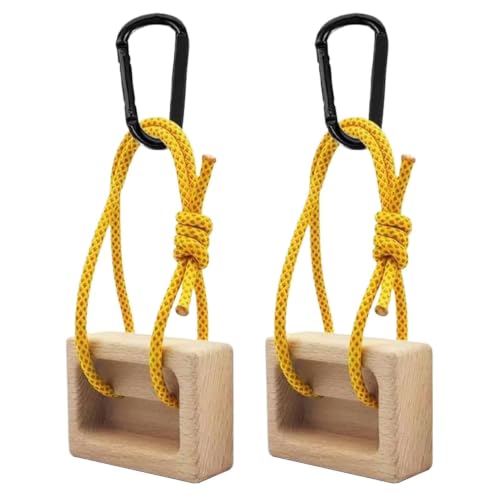


As an Amazon Associate we earn from qualifying purchases.
What should you look for in a portable hangboard?
The best starting point is to match the board to your training routine, available space and level of experience. A more compact design may be easier to pack away, but larger or more structured boards can give you a broader range of grips and a more settled training feel. The main trade-off is usually portability versus versatility.
| Feature | What It Means | Why It Matters | What To Check |
|---|---|---|---|
| Portability | How easy the board is to carry, store or move between locations | Important if you train at home, while travelling or in shared spaces | Size, weight and whether it packs away neatly |
| Grip variety | The range of holds or positions available | Affects how flexible your training sessions can be | Types of edges, pockets or other grip options shown on the product page |
| Setup method | How the board is positioned or used during training | Influences convenience and how consistent the setup feels | Whether it needs a mount, strap, support or other attachment method |
| Surface and feel | The texture and hand-feel of the board | Can affect comfort, confidence and the way sessions feel | Material description and any notes about finish or grip texture |
| Training goal | The style of use the board is intended for | Helps avoid buying a design that does not suit your routine | Whether it is aimed at warm-ups, general finger training or more specific sessions |
Key decision criteria
Size and portability
Portable hangboards are chosen partly for convenience, so think about where you will keep and use them. If you need something for occasional sessions or limited space, a smaller format may be appealing. If you want a more settled training tool, check whether the board still feels practical to carry and store.
Grip layout and training variety
Different boards may offer different combinations of edges, slopers, pockets or other hold shapes. A broader layout can make a board more adaptable, but it may also add complexity if you only want a straightforward training tool. Look for a layout that matches the kinds of sessions you realistically plan to do.
How it is used
Some portable boards are designed around easy placement or temporary use, while others may assume a more fixed training routine. That matters because the way a board is used affects consistency, convenience and how often you are likely to reach for it. If a setup seems awkward, it may end up being used less often.
Comfort and feel
Hand comfort is a practical factor, especially for repeated sessions. Board shape, edge style and surface finish can all influence how confident a hold feels. A board that is too aggressive for your current level may feel harder to use consistently, even if it offers more variety.
Types and variants you may see
Portable hangboards are usually best thought of by use style rather than by strict product type. A compact board may suit limited space or travel. A more feature-rich board may suit climbers who want a wider spread of grip options in one piece of equipment.
Another common difference is whether the board feels aimed at quick, simple training or at more structured sessions. Simpler designs are often easier to understand and use, while more detailed layouts may offer more progression options but take a little more judgement to choose well.
Who tends to suit which setup?
| Buyer need | Useful feature | Why it helps |
|---|---|---|
| Limited space at home | Compact size and easy storage | Makes the board easier to keep accessible without taking over a room |
| Occasional training | Simple setup and straightforward grip layout | Reduces friction so the board is more likely to be used regularly |
| More varied sessions | Broader range of hold options | Supports different exercises without changing equipment |
| Travel or flexible use | Lightweight, portable format | Helps with transport and temporary use in different places |

Common mistakes and misunderstandings
- Choosing only by size. A very compact board may be convenient, but it still needs to suit the way you want to train.
- Assuming every portable board feels the same. Grip layout, texture and setup style can all change how usable it feels in practice.
- Buying more complexity than you need. Extra grip options are only useful if you plan to use them.
- Overlooking the setup. A board that looks ideal on paper may be less appealing if the positioning method is inconvenient.
Safety and suitability caveats
Portable hangboards are training equipment, so suitability matters. Check that the board and its intended use match your space, experience and comfort level before buying. If you are new to finger-strength training, it is sensible to start conservatively and choose a board that is easy to understand rather than one that looks maximally demanding.
Also check whether the product page gives clear information about how it is meant to be used and whether any extra equipment or support is needed. Specifications vary by model, so always check the individual product page before buying.
Maintenance and storage considerations
For most buyers, maintenance is about keeping the board clean, dry and stored safely when not in use. If a board is intended to be carried around or put away after sessions, durable materials and a practical shape become more important. It is also worth considering whether any mounting or support accessories will need to be kept together with the board.
How to compare options efficiently
- Decide where and how often you expect to use the board.
- Choose the size and setup style that fits that routine.
- Compare the grip layout and whether it suits your training goals.
- Check the material, finish and any notes about comfort or usability.
- Read the individual product page carefully before you decide.
Summary buyer decision checklist
- Is the board sized for the space where you will use and store it?
- Does the grip layout match the sessions you actually plan to do?
- Is the setup method convenient enough that you will use it regularly?
- Does the board seem appropriate for your current experience level?
- Have you checked the individual product page for the exact details?
Frequently asked questions
What makes a portable hangboard different from a fixed hangboard?
A portable hangboard is designed with storage, carrying or temporary use in mind. A fixed hangboard is usually chosen for a more permanent setup. The right choice depends on whether convenience or a stable, dedicated training station matters more to you.
Is a more compact board always easier to use?
Not always. Compact designs are easier to store and move, but they may offer fewer grip options or less variety in training. The best option is the one that fits your space and your routine, not simply the smallest one.
Should beginners choose the simplest design?
Often, yes. A straightforward layout can be easier to understand and less distracting when you are building good habits. If you want to progress over time, just make sure the board still offers enough variety for your needs.
How do I know if the grip layout will suit me?
Look at the kinds of holds described on the product page and compare them with the way you train. If you mainly want basic finger work, a simple layout may be enough. If you prefer more varied sessions, a broader set of hold options may be more useful.
Do portable hangboards need much care?
Usually not much, but they do benefit from sensible storage and keeping them clean and dry. If a product includes accessories or a particular setup method, it helps to store those together so the board stays easy to use.
What should I check before buying one online?
Check the size, grip layout, intended use and any setup notes on the product page. It is also sensible to consider whether the board suits your available space and whether it offers enough versatility for the way you plan to train.
More Portable Hangboards
See all 98 Portable Hangboards →


As an Amazon Associate we earn from qualifying purchases.