Metal Detectors for Beaches
Metal detectors for beaches are designed for people who want to search sand and shoreline areas for lost metal items, coins and other finds. When comparing options, it helps to look at how the detector handles wet sand, how easy it is to carry, and how straightforward the controls are to use.
For beach use, it is also worth checking search depth settings, coil style and any guidance about saltwater or mineralised ground. The right choice usually depends on where you plan to search and how much adjustment you want while you are out on the sand.
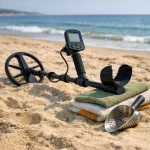 Buyers guideMetal Detectors for Beaches Buyer GuideWhat to compare before you choose
Showing 1–12 of 93 results
-
Metal Detectors for Beaches
304 Stainless Steel Beach Sand Scoop with 56 inch Handle
Original price was: £34.47.£31.99Current price is: £31.99. Product info -
Metal Detectors for Beaches
Beach and Water Treasure Hunting with Metal Detectors
£5.56 Product info -
Metal Detectors for Beaches
Beach Metal Detecting Secrets Book for Smarter Sand Searches
£2.21 Product info -
Metal Detectors for Beaches
Bounty Hunter Junior Metal Detector with Adjustable Trash Elimination
£46.97 Product info -
Metal Detectors for Beaches
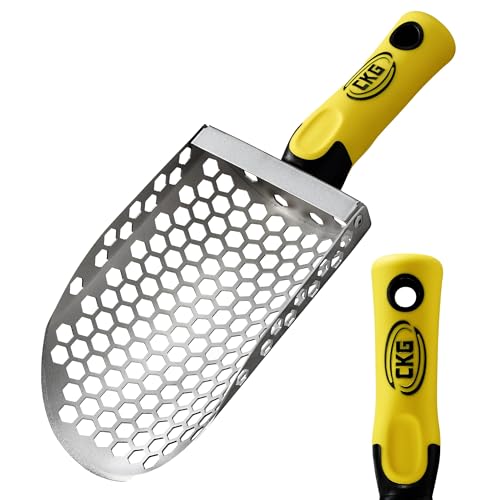
CKG 304 Stainless Steel Sand Scoop for Metal Detecting 11 x 7 with Handle
£69.99 Product info -
Metal Detectors for Beaches
CKG Hand Sand Scoop for Metal Detecting with Yellow Handle
£28.80 Product info -
Metal Detectors for Beaches
CKG Metal Detector Shovel Carbon Fibre Travel Handle, Black
£64.95 Product info -
Metal Detectors for Beaches
COSTWAY Metal Detector with LCD Display, Adjustable Length and Accessories
£63.95 Product info -
Metal Detectors for Beaches
Detecting Innovations Easy Swing Bungee Harness for Metal Detectors
Original price was: £22.95.£21.56Current price is: £21.56. Product info -
Metal Detectors for Beaches
DR.ÖTEK Metal Detector Pinpointer with LCD Screen and 3 Modes
Original price was: £49.99.£39.99Current price is: £39.99. Product info -
Metal Detectors for Beaches
DR.ÖTEK Metal Detector Pinpointer with LCD Screen, Orange
£49.99 Product info




Choosing a metal detector for beach searching
Metal detectors for beaches are aimed at shoreline searching, where sand conditions can vary from dry areas to damp or wet ground near the water. This category is useful for visitors who want to compare detectors intended for beach recreation and casual treasure searching, rather than general-purpose indoor or garden use.
Because beach conditions can be more demanding than dry land, it is sensible to look at how a detector is described for use on sand and near seawater. Some models may be easier to sweep for longer periods, while others may offer more adjustment for different ground conditions. The best fit often comes down to the balance between simplicity and control.
What to compare on individual listings
When you review product pages, focus on the practical details that affect day-to-day use. Weight and handle design can matter if you expect to spend time walking the beach. Control layout may also be important if you want something easy to learn. If a listing mentions search modes, sensitivity settings or coil type, check how these are explained and whether they suit your intended use.
Beach users often need a detector that can cope with changing terrain, so it is worth checking any notes about wet sand, saltwater conditions or mineralised ground. Product descriptions may also explain whether the detector is better for casual searching or more detailed scanning. Those differences can help you narrow the choice without overcomplicating the decision.
Matching the detector to your plans
If you are mainly searching dry sand, a straightforward model may be enough. If you expect to cover wetter areas or more variable ground, you may prefer a detector with more adjustment and clearer performance guidance. It is also sensible to check how the detector is powered and how easy it is to carry, set up and store between outings.
Browse the available listings and compare the individual product details carefully, especially where the product page explains intended ground conditions or use limits. That makes it easier to choose a detector that suits your beach plans without relying on assumptions from the category name alone.